

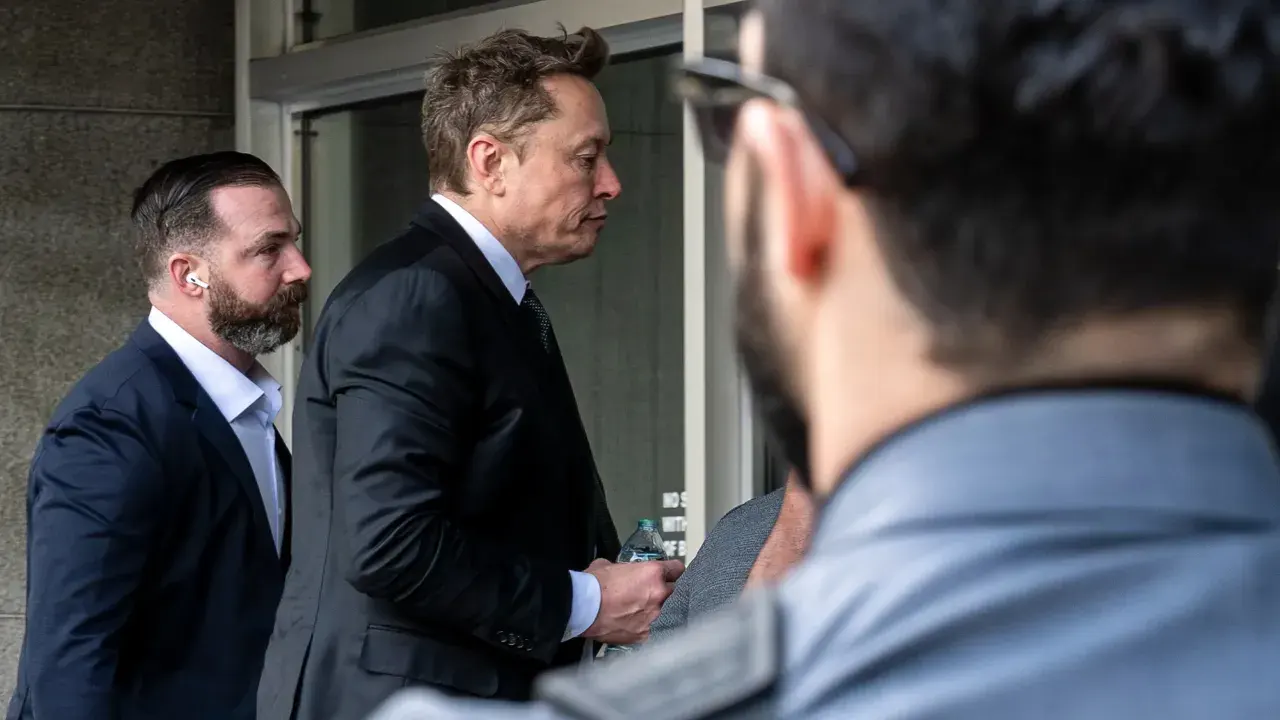
Judge Kathaleen McCormick of Delaware’s Court of Chancery has stepped aside from three pending cases involving Elon Musk and Tesla’s board, citing concerns that excessive media attention could compromise the fair administration of justice. The move came after Musk’s legal team filed a recusal motion accusing her of bias, a charge McCormick flatly rejected before agreeing to step aside anyway.
The alleged smoking gun? A LinkedIn post by a jury consultant celebrating the outcome of a separate federal securities fraud trial in California, where a jury found Musk liable for misleading Twitter investors ahead of his 2022 acquisition of the platform. That verdict could cost him north of $2 billion.
Musk’s attorneys produced a screenshot showing McCormick’s LinkedIn account had registered a supportive emoji reaction to the post. McCormick denied any intentional engagement, reported the activity to LinkedIn as suspicious, and noted she had previously dismissed a case against Musk. The emoji had spoken.
With McCormick out, one plaintiff, shareholder David Wagner, who sued in 2022 over Tesla’s failure to enforce an SEC agreement, dropped his case entirely. Given that Musk has since claimed Tesla’s Austin robotaxi pilot would cover half the US population by end of 2025, Wagner may have simply run out of patience cataloguing the man’s greatest hits.
The two remaining cases cut closer to the bone. One argues that Musk’s founding of xAI and his acquisition of Twitter, now rebranded X, drained time, resources, and opportunities away from Tesla shareholders. The other challenges compensation paid to Tesla board members. Plaintiffs in the xAI case are seeking, among other remedies, a court order forcing Musk to divest his stake in the AI company.
This latest development is the newest chapter in a four-year legal standoff between McCormick and Musk that has done measurable damage to Delaware’s reputation as the gold standard of American corporate law. In early 2024, McCormick voided Musk’s 2018 Tesla compensation package finding that board approval had been compromised by his influence over its members, including his own brother Kimbal. A landmark $1 trillion pay package was subsequently approved by Tesla shareholders in November 2025. Delaware’s Supreme Court reinstated the original plan the following month, but by then Tesla had already relocated to Texas, and Musk had publicly encouraged every startup in America to follow suit.
The current cases exist precisely because several Tesla shareholders filed in Delaware’s Court of Chancery in the narrow window before the reincorporation was complete. Whether that strategy holds will depend on how the newly assigned judges handle litigation that Musk’s team has already, with some success, framed as the product of a hostile court.