

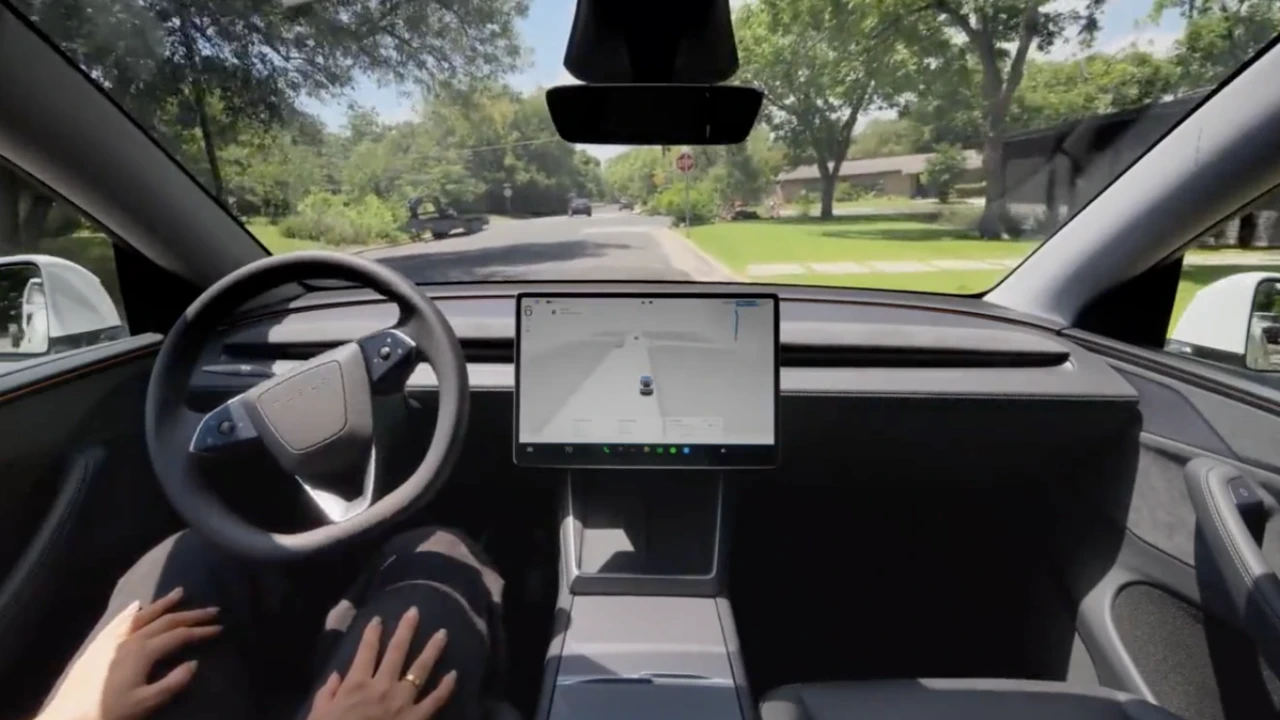
Starting February 14, 2026, Tesla is rewriting the rules of how drivers access its most controversial feature. Full Self Driving, the software package that has spent years oscillating between futuristic promise and legal footnote, will no longer be available as a one-time purchase. The familiar upfront cost of around $8,000 disappears, replaced by a monthly subscription priced at $99. Romance may be dead, but recurring revenue is alive and thriving.
This shift applies exclusively to new customers. Anyone who already paid the full price for FSD keeps it, no additional fees attached. Tesla has decided not to upset its early adopters. Everyone else, however, is invited into a long-term relationship with a cancel-anytime clause and a monthly reminder that autonomy is still very much a work in progress.
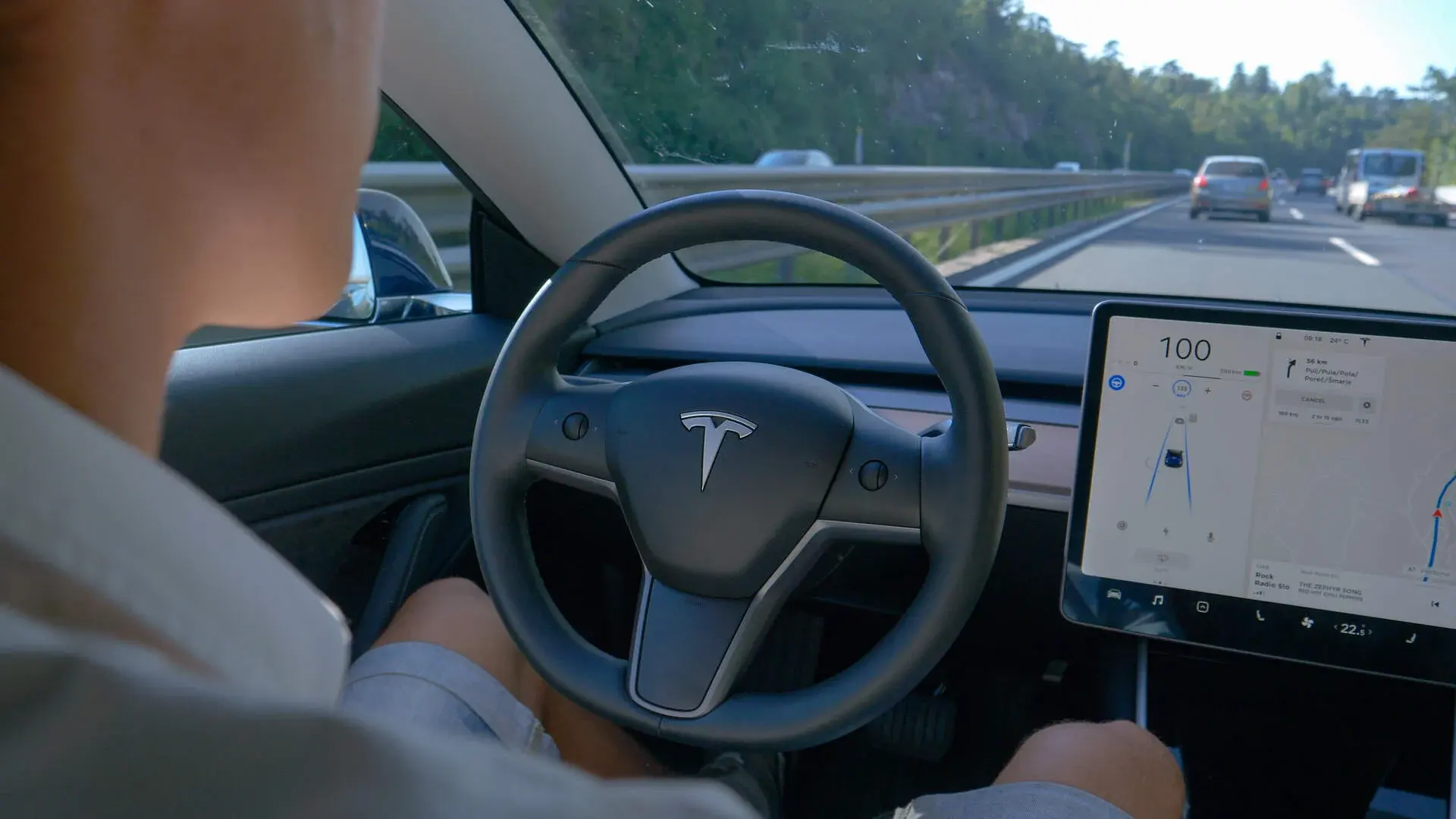
The reasoning, according to Elon Musk’s typically casual online explanations, is pragmatic. Developing autonomous driving software is expensive, unpredictable, and far from finished. A subscription model offers steady cash flow to fund ongoing research and development for a system that, despite its ambitious name, still requires constant driver supervision. Full Self Driving handles lane changes, urban navigation, traffic lights, and road signs, but it does not replace the human behind the wheel. Think co-pilot, not autopilot.
That distinction matters, especially since FSD remains under scrutiny from the National Highway Traffic Safety Administration. Roughly 2.88 million vehicles are involved in an ongoing investigation tied to reports of potential safety violations. The number alone is enough to remind everyone that autonomy is not just a software update, but a regulatory minefield.
From a market perspective, the subscription lowers the barrier to entry. Paying $99 a month feels easier than committing thousands upfront, especially for drivers curious but unconvinced. At the same time, it risks frustrating buyers who want permanence, not another fixed monthly cost parked next to insurance and charging bills.
As usual with Tesla, reactions are split. Some see democratized access and faster data collection. Others see a premium feature that still isn’t fully autonomous being sold indefinitely.