

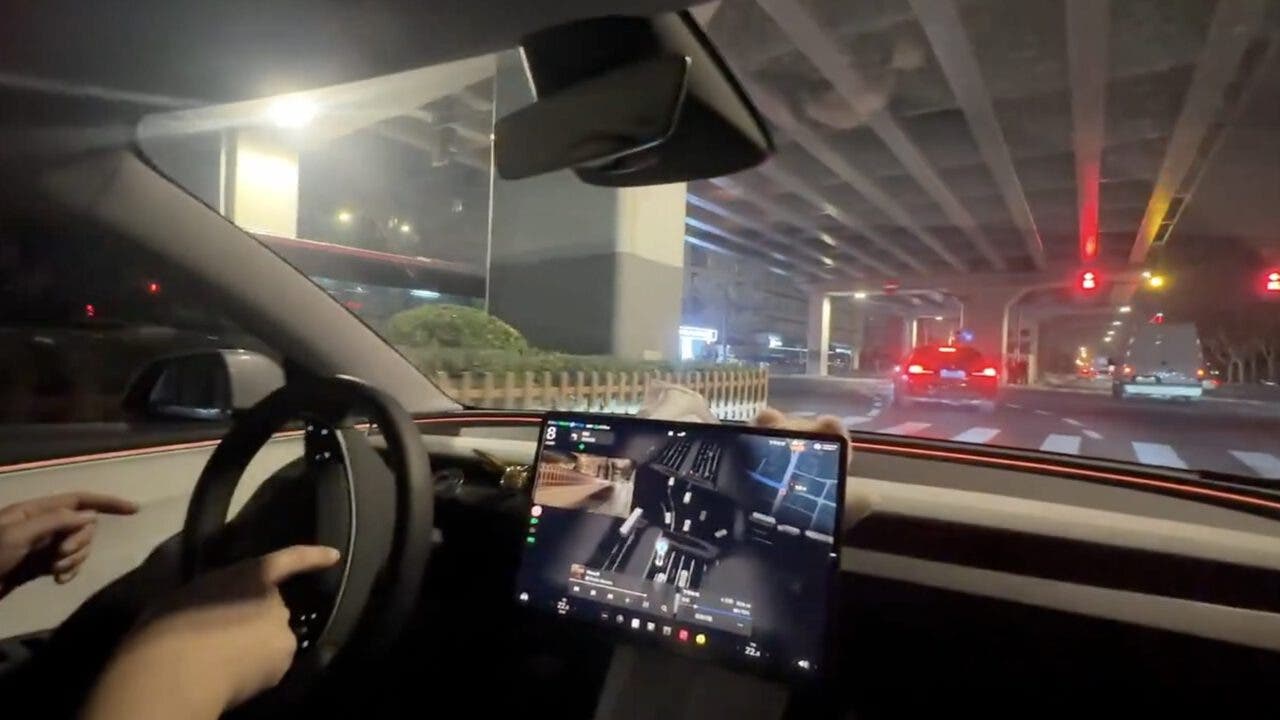
Elon Musk’s favorite game, projecting the precise moment Tesla‘s Full Self-Driving (FSD) system will conquer global regulations, has returned for another highly anticipated round in China. After previously hinting at a partial approval late last year and teasing a February breakthrough that state media quickly debunked, Tesla executives have updated their calendars during the Q1 2026 earnings call. The new corporate target for a broader regulatory green light is now set for the third quarter of 2026.
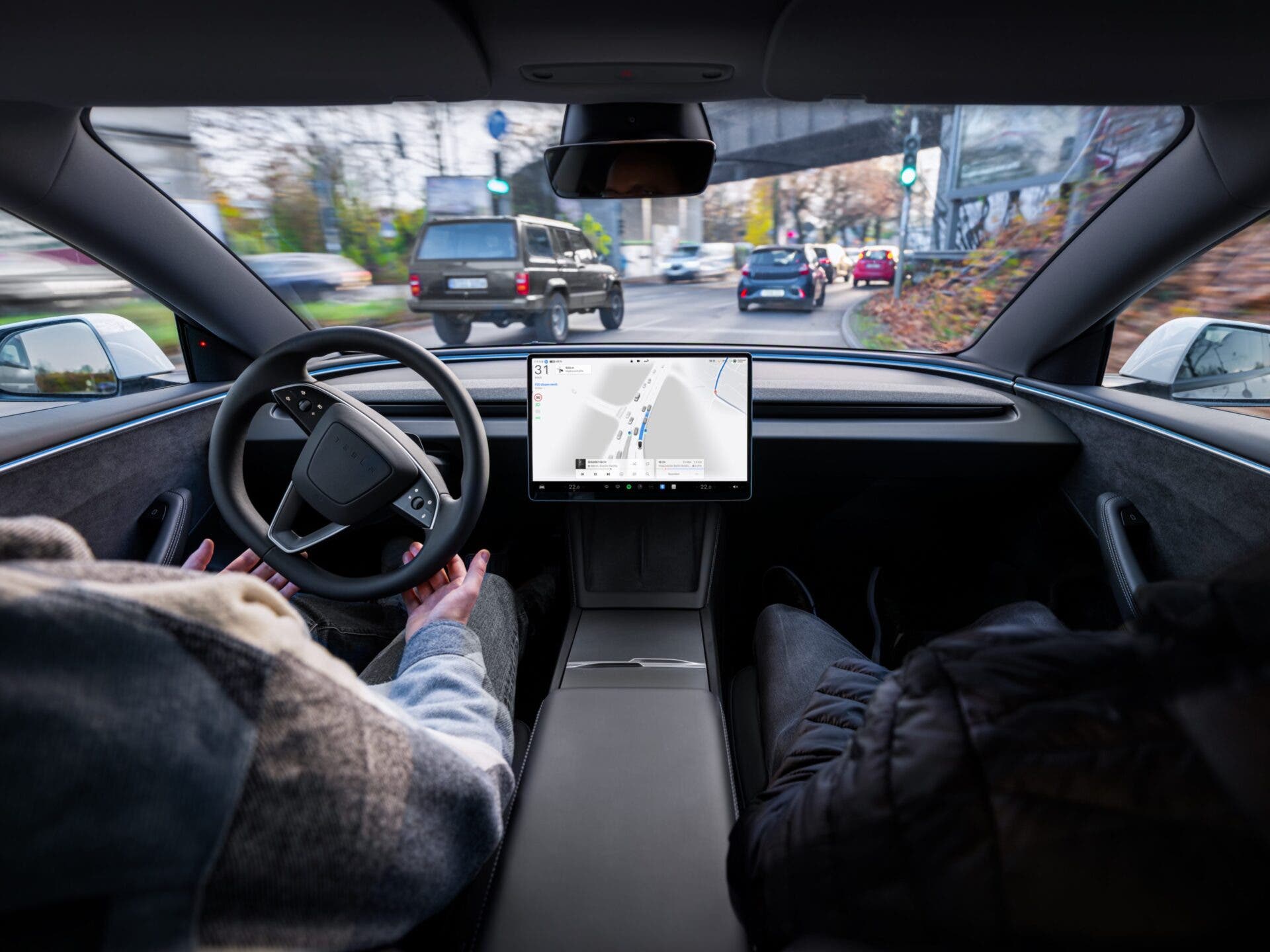
To turn these shifting timelines into actual reality on tarmac, Tesla has initiated a massive recruitment drive. The company published around 90 key research and development positions across nine major metropolitan hubs, including Beijing, Shanghai, Shenzhen, Guangzhou, and Wuhan.
Tesla is specifically looking for “Intelligent Driving Test Technicians” and “ADAS Test Operators” to hunt down software regressions and push the limits on public roads and validation tracks. The prerequisites are understandably strict: candidates need an immaculate driving record for at least a year, three-plus years of general experience, and a yearly mileage log surpassing 10,000 kilometers. Essentially, Tesla needs experienced humans to teach its AI how to survive the chaotic beauty of Chinese city traffic.
Simultaneously, Tesla is aggressively updating its digital cockpit to sound less like a Silicon Valley transplant and more like a native tech giant. The vehicle’s voice assistant now leverages ByteDance’s “Doubao” model for daily tasks like climate control and navigation, alongside “DeepSeek Chat” for complex AI interactions.
On the balance sheet, this hyper-localization strategy seems to be paying off. Q1 2026 revenue surged 16% year-over-year to $22.39 billion, marking Tesla’s fastest financial acceleration in three years. Adjusted net income skyrocketed 56% to $1.453 billion, heavily anchored by the powerhouse Shanghai Gigafactory, which delivered 213,000 vehicles in Q1 alone.
However, the market remains highly volatile. April 2026 sales dipped nearly 10% year-over-year to 25,956 units, a steep 53.7% plunge from the previous month. Even with the beloved Tesla Model Y securing the third-place spot in domestic sales with 22,990 units, it is clear that while the factory floor is running hot, the pressure is squarely on the shoulders of those 90 new test drivers to deliver the autonomous future Musk keeps promising.