

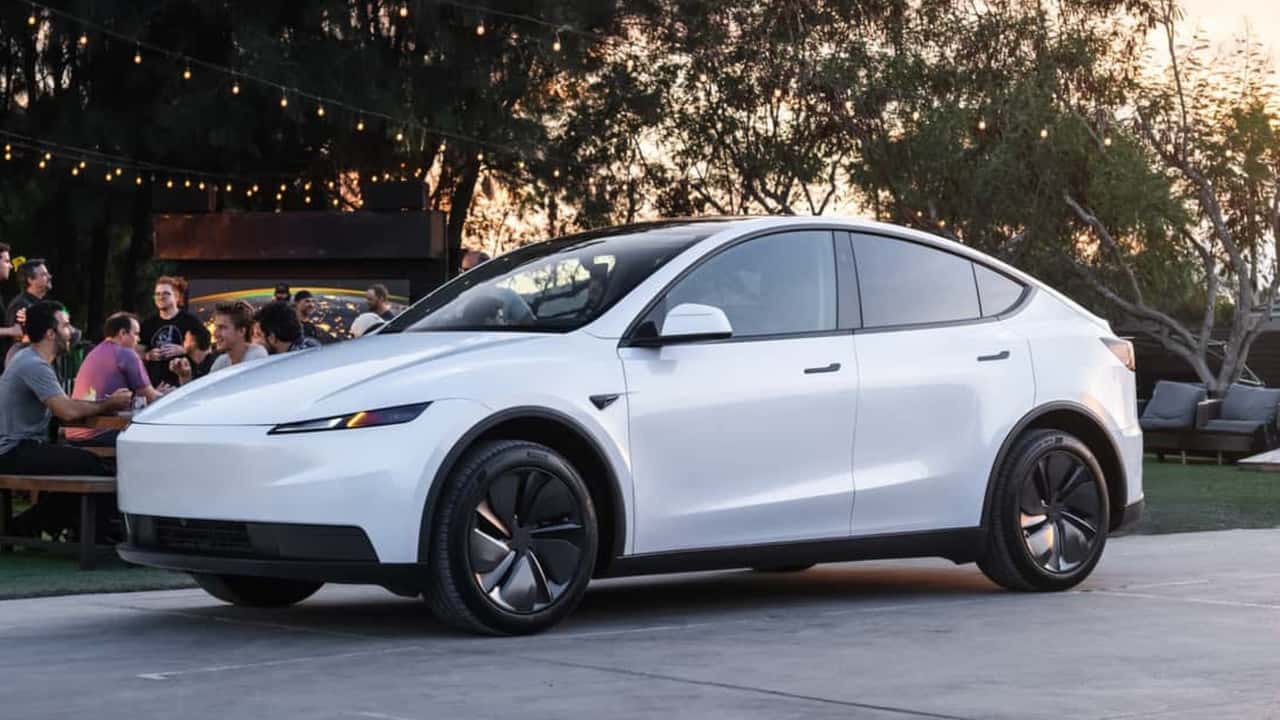
Some versions of the Tesla Model 3 and Model Y have come under scrutiny for possible issues related to battery longevity. In particular, certain battery packs appear to show faster-than-expected degradation, with potentially significant consequences for the vehicle’s overall lifespan. These findings emerged from an independent research center based in Croatia, which carried out a detailed analysis of the different battery types used by the American automaker.
Tesla Model 3 and Model Y under scrutiny for battery degradation issues
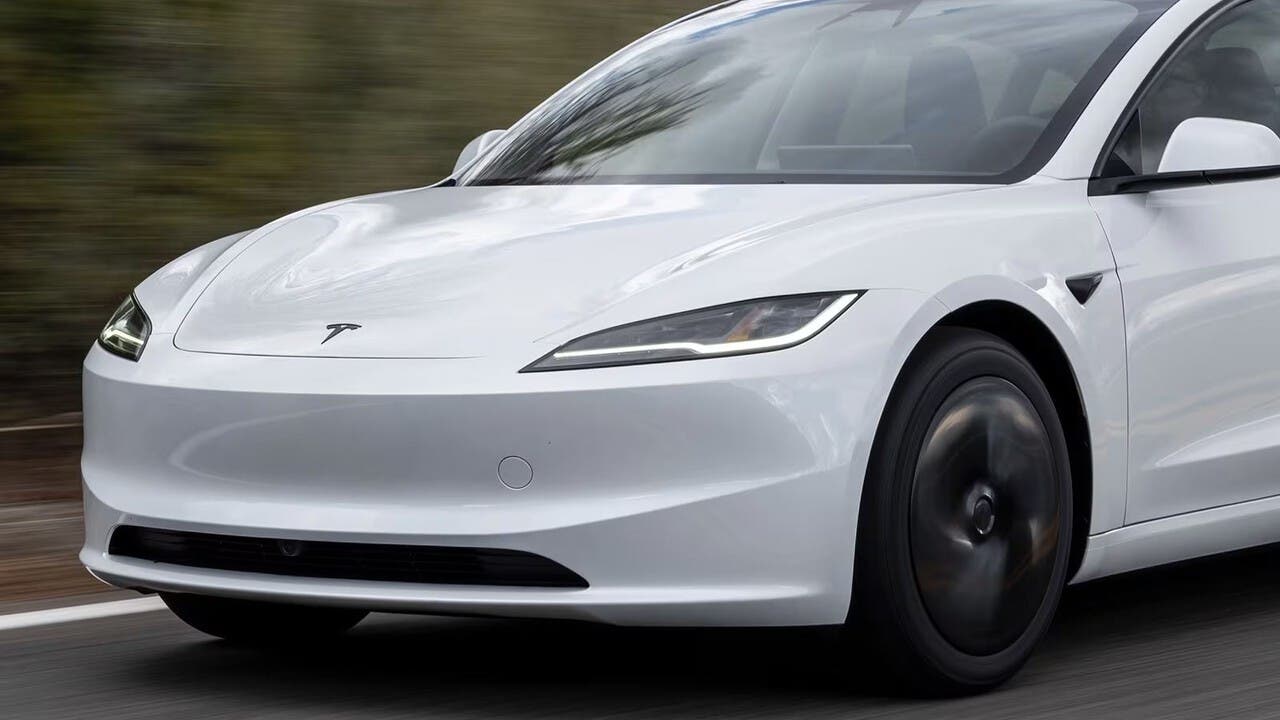
Tesla relies on multiple suppliers for its battery cells, depending on the model version and the production plant. The main partners are Panasonic, CATL, and LG. This strategy helps the company reduce supply risks and keep costs under control. However, according to the study, it also leads to meaningful differences in long-term reliability.
CATL lithium iron phosphate batteries are installed on rear-wheel-drive versions. Long-range models instead use NMC packs supplied by LG and NCA batteries produced by Panasonic. In general terms, Panasonic batteries equip vehicles built in the United States. LG units come from plants located in China and Europe, as well as from U.S. facilities. This complex supply structure makes it difficult for customers to know exactly which battery technology their car uses.
According to tests conducted by EV Clinic, a center specialized in electric vehicle diagnostics and repairs, the batteries showing the most critical issues are those supplied by LG. In particular, the LG NCM 811 units produced in Nanjing, China, appear to be the most affected. Test results indicate that these batteries can begin to show clear degradation at around 240,000 kilometers.
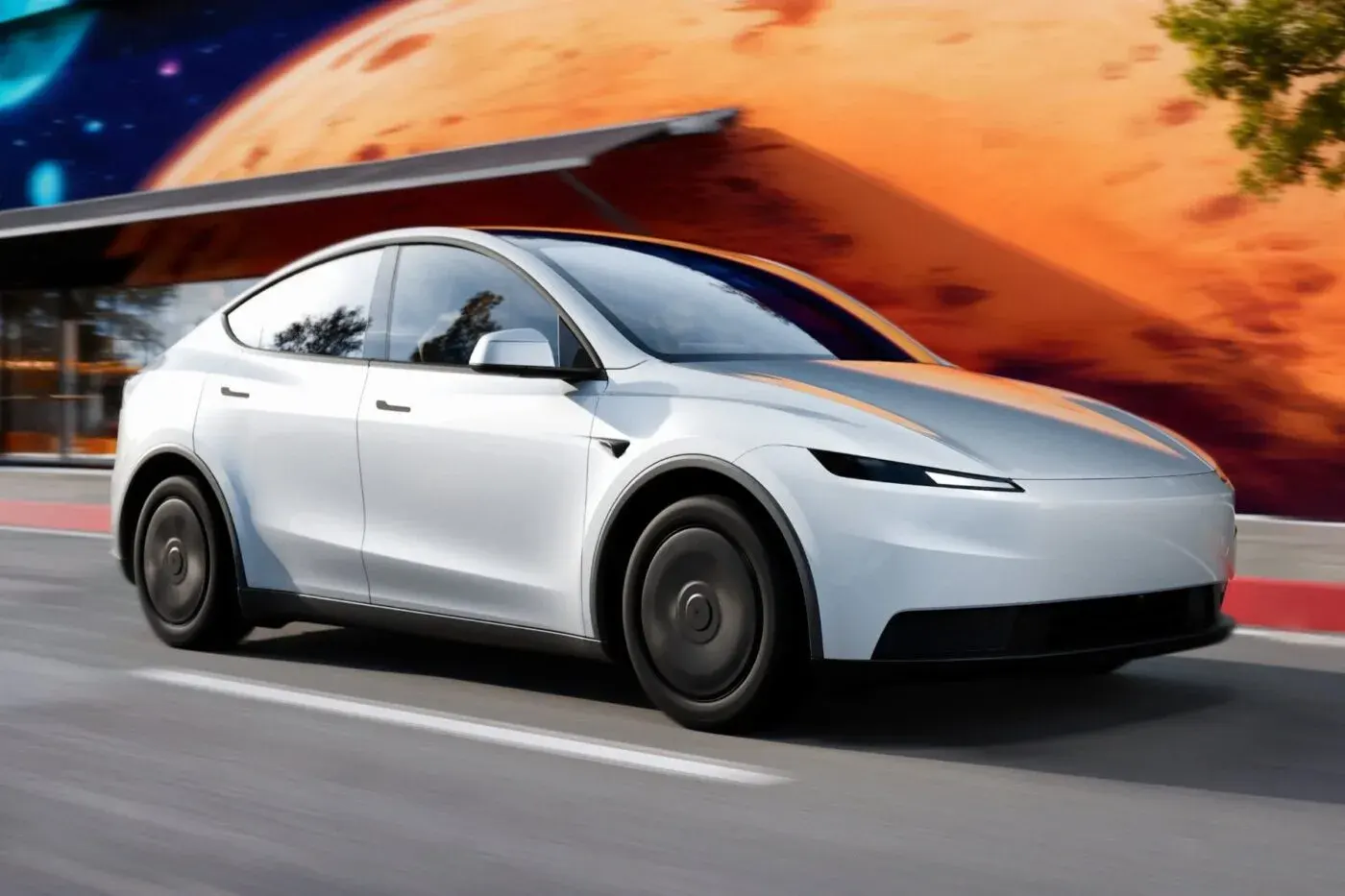
By contrast, Panasonic batteries reportedly offer much higher durability, with only minimal signs of wear even beyond 400,000 kilometers. In addition, experts point out that LG battery packs are far more complex to repair, if not almost impossible to refurbish in a modular way. The reason lies in the uniform deterioration of the entire pack, which prevents the replacement of individual modules. This type of modular repair, instead, remains feasible with Panasonic battery systems.
These differences could affect Tesla’s image, especially at a time when the company stands in the spotlight for the continuous evolution of its lineup and for the growing competition in the electric vehicle sector. It now remains to be seen whether the manufacturer will step in to review its supplier choices or to strengthen warranties on the affected versions.