

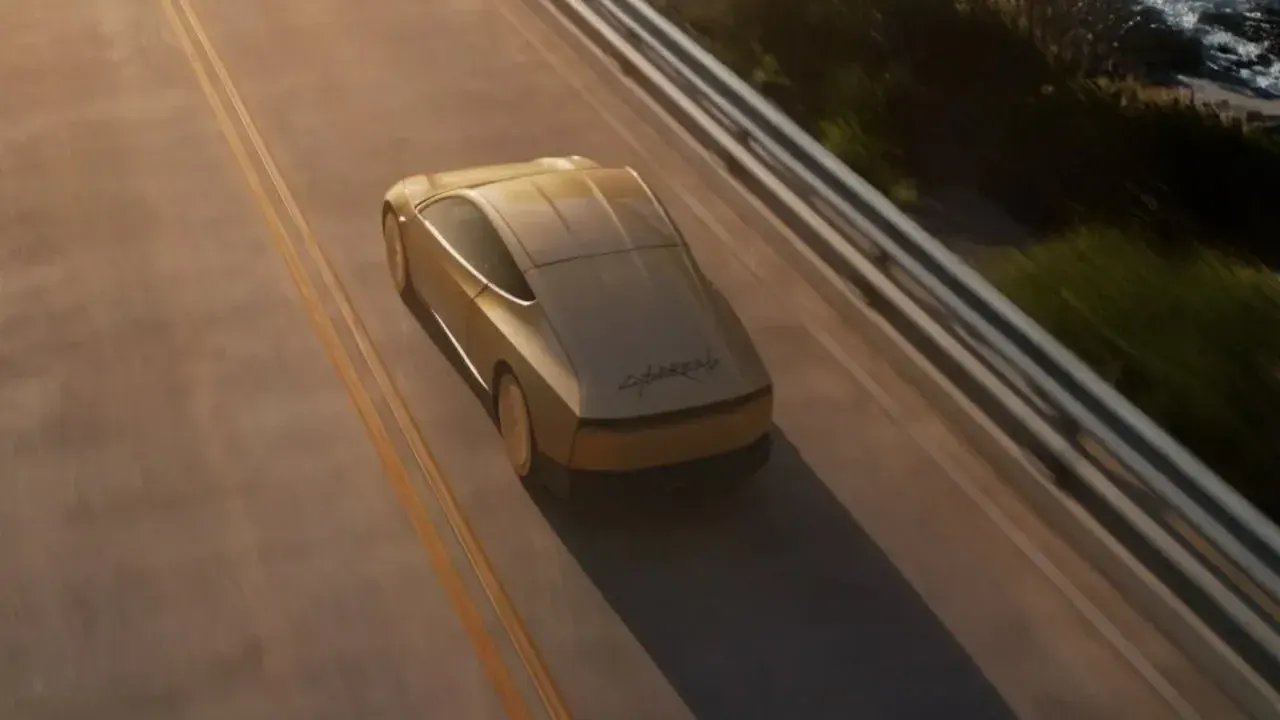
Elon Musk has spent nearly a decade treating the automotive paint shop like a personal insult. It makes perfect industrial sense: painting a car is a capital-intensive, toxic nightmare that eats up massive factory real estate, drains budgets, and destroys production schedules. After years of trying to engineer his way out of this manufacturing bottleneck, Tesla recently took to X to announce that the upcoming Cybercab might finally finish the job.
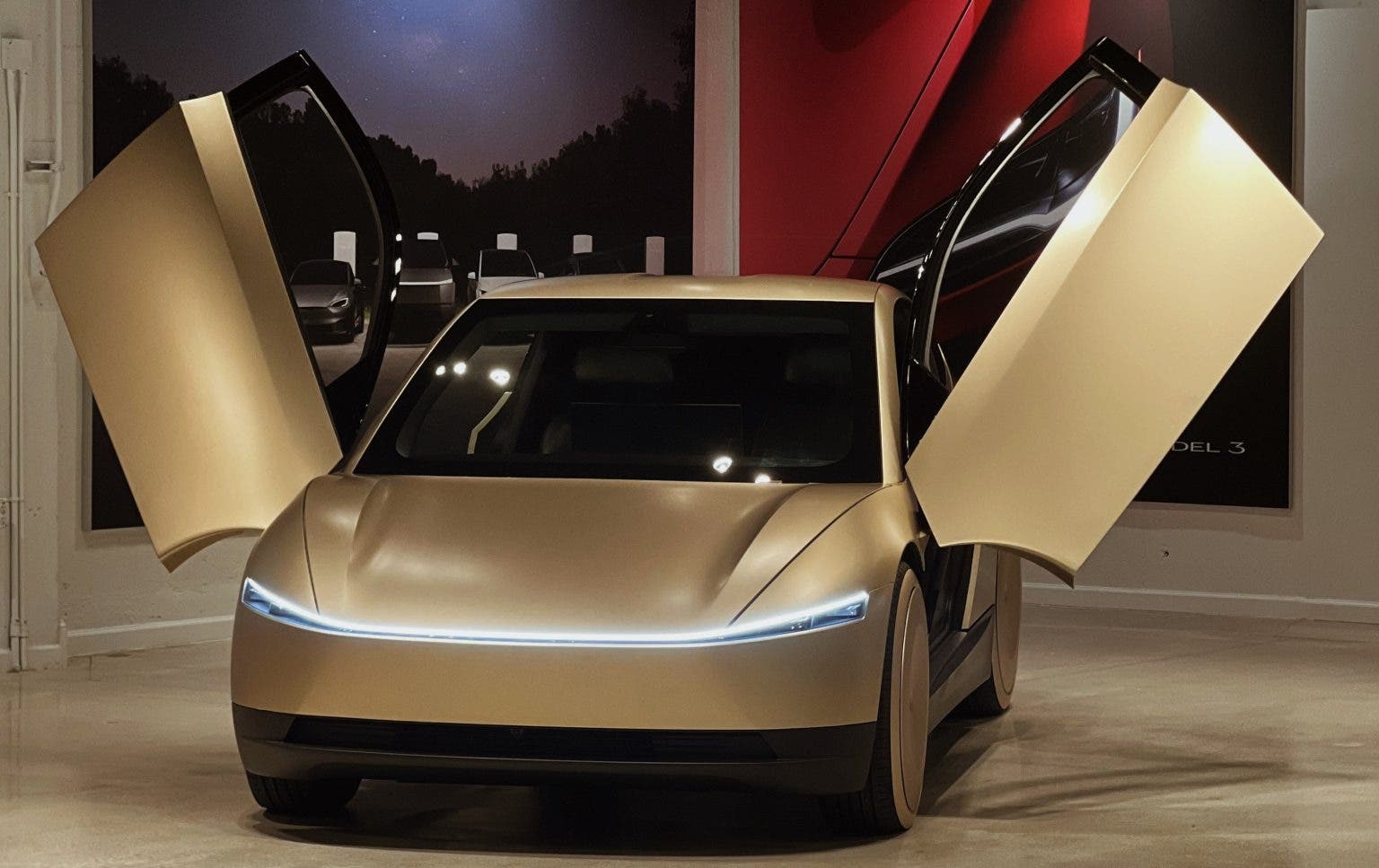
The secret weapon is a process called Reaction Injection Molding, or RIM. Tesla claims this application compresses multi-hour paint cycles into mere minutes by embedding color pigments directly into the panel material during production. The body panel pops out of the mold already colored, cutting part manufacturing and supply chain emissions by 35% while completely eliminating volatile organic compounds (VOCs).
Of course, in typical Tesla fashion, what is being branded as a revolutionary, eco-friendly breakthrough is actually a clever recycling of old ideas. RIM technology has existed since the 1960s, but Tesla is repurposing it specifically for exterior body panels to bypass the traditional multi-stage painting gauntlet entirely. Even the clear protective coat can be integrated during the molding phase or applied in a rapid post-process.
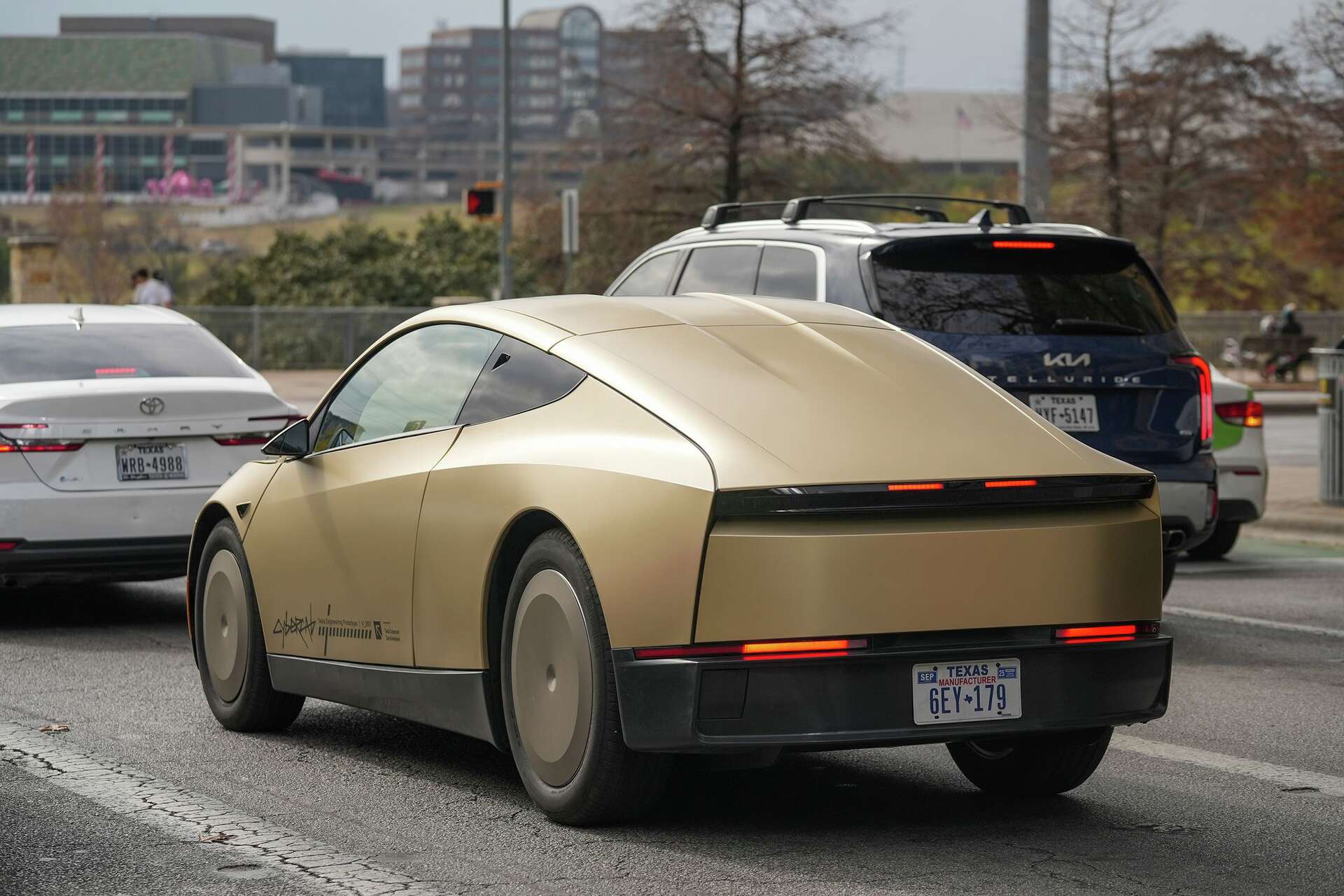
This obsession with killing the paint booth is the ultimate thread tying Tesla’s chaotic manufacturing history together. Back in 2018, Musk famously axed two out of seven available paint colors from the menu just to simplify manufacturing and keep the assembly lines moving. By 2020, he told Automotive News that future factories could become 1,000 times more efficient, singling out the paint shop as the single biggest source of waste, cost, and complexity.
Then came the Cybertruck, a rolling monument to this exact fixation. Tesla wrapped it in unpainted stainless steel specifically to avoid building a $200 million paint facility at Gigafactory Texas. The stubborn, unpainted steel proved to be far harder and more expensive to produce than anyone anticipated.
The Cybercab represents the survival of that same unyielding ambition, just wrapped in a much more cooperative material. Instead of fighting unyielding metal sheets, Tesla is betting on plastic polymers to achieve its dream of an unpainted future.