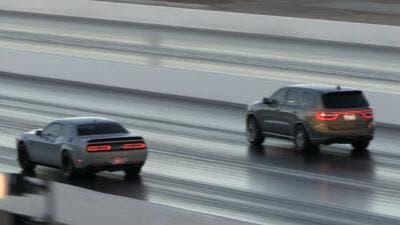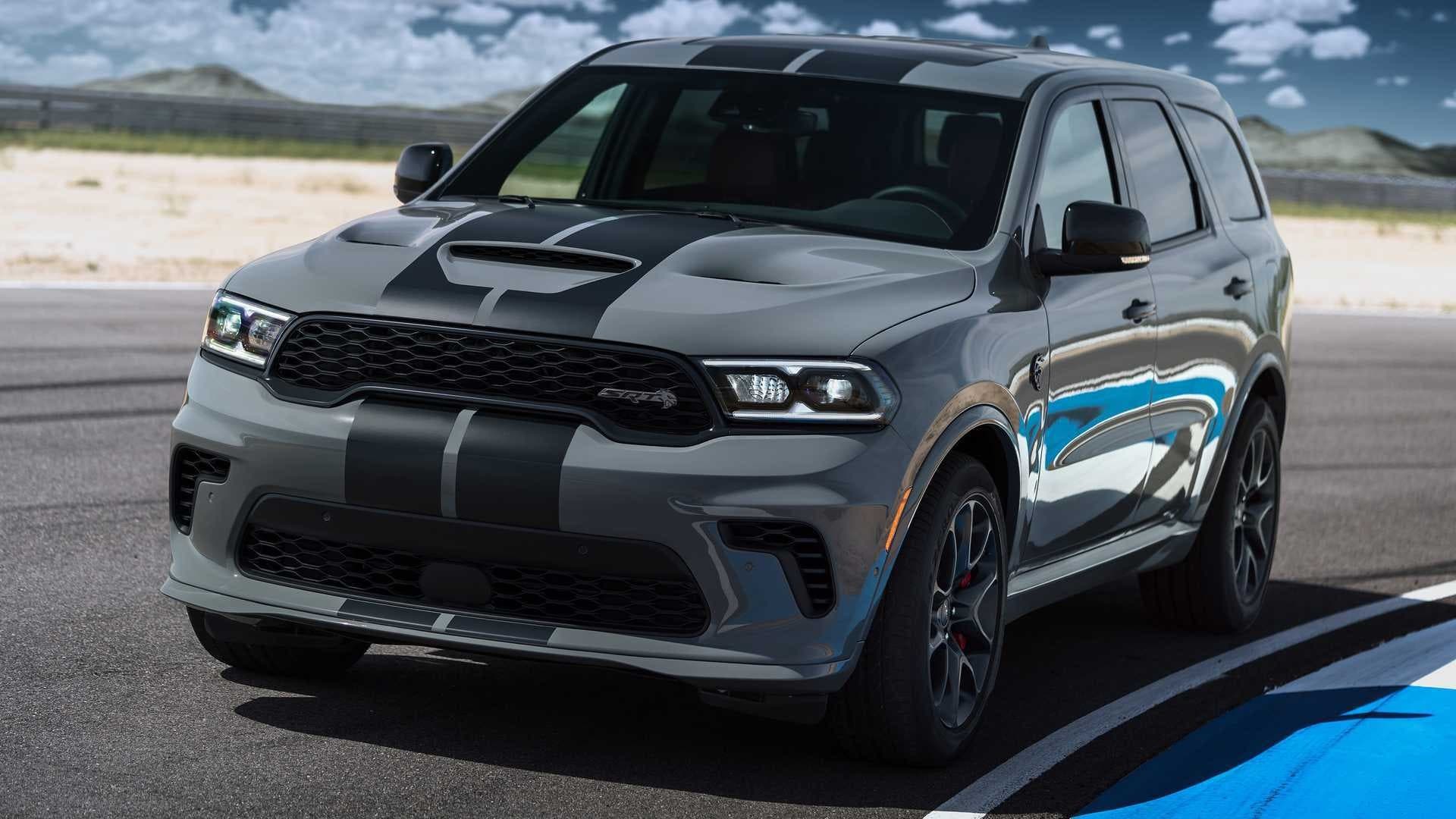
The promise of owning something exclusive pushed some buyers to spend significant amounts on the 2021 Dodge Durango SRT Hellcat, in some cases paying as much as $114,225. Buyers believed the model would remain a limited edition, with production ending permanently after about 3,000 units. When Stellantis decided to restart production two years later, many owners reacted with anger and frustration. They felt the renewed production erased the perceived value of their vehicles.
Stellantis wins lawsuit over Dodge Durango SRT Hellcat claims
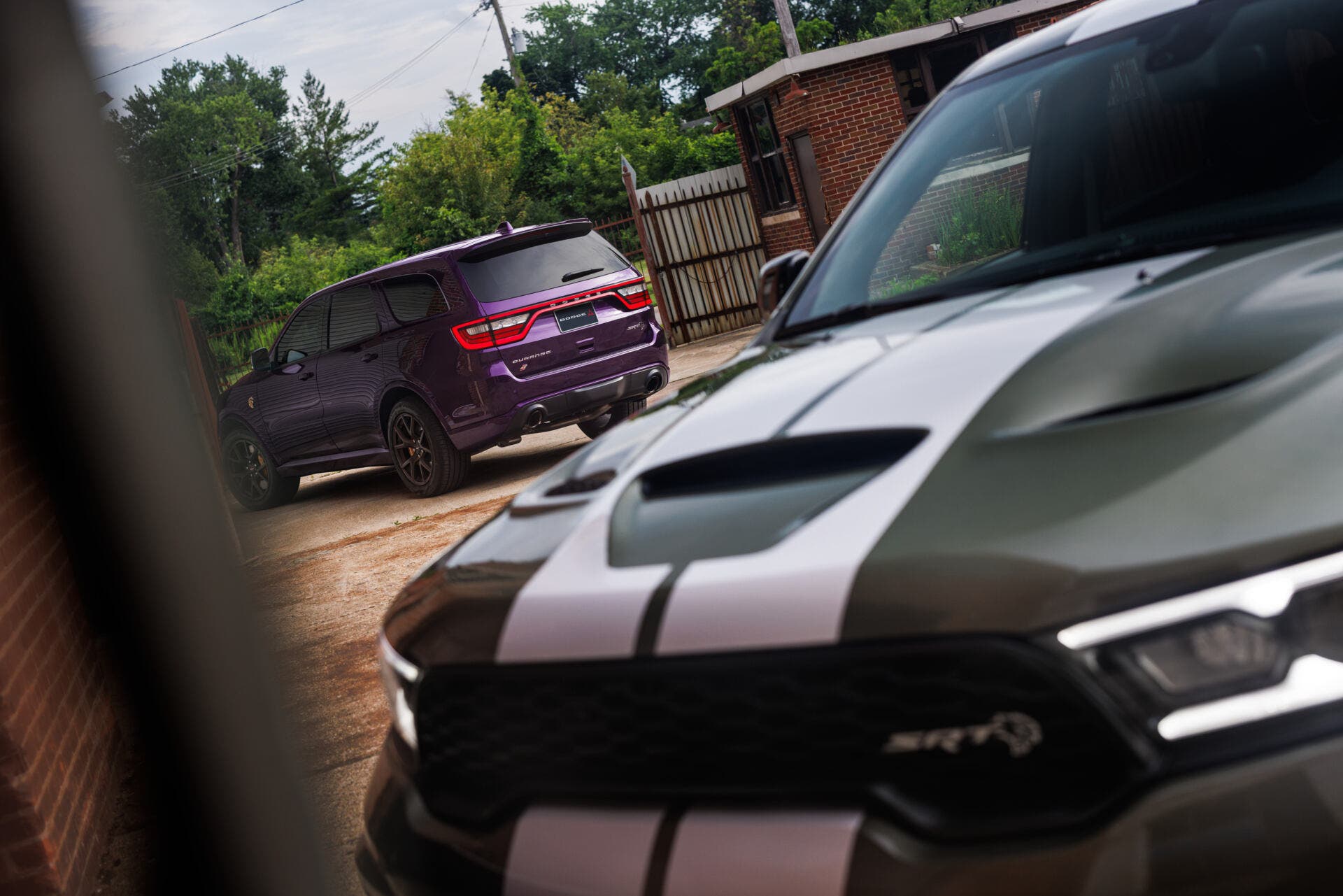
That reaction led to a class-action lawsuit alleging false advertising and consumer fraud. Owners from several U.S. states, including California, Florida, Illinois, New Jersey, New York, Texas, and Virginia, joined the case. They argued that the automaker had promoted the vehicle’s exclusivity to justify its high price, only to undermine that promise by putting the model back into production.
U.S. District Judge Jennifer Hall, based in Wilmington, Delaware, rejected those claims. She concluded that the evidence did not support allegations of legally actionable deception. In her ruling, she explained that Fiat Chrysler’s statements reflected truthful intentions at the time they were made and that the company retained the right to change its plans later. The court found no proof that the automaker had planned from the beginning to resume production while deliberately misleading customers.

The ruling also dismissed claims of violations of state consumer protection laws. According to the judge, the company’s statements did not amount to binding guarantees but instead described a business plan that later changed. That distinction proved crucial, as it separated a contractual promise from a statement of commercial intent.
Attorneys representing the owners involved in the lawsuit declined to comment after the decision, and lawyers for Fiat Chrysler also chose not to issue immediate statements in response to media inquiries.