Stellantis has launched an internal review of its brand portfolio, with the goal of evaluating a possible restructuring of the entire group. The analysis, still in a preliminary phase and without official decisions, is part of a broader strategic plan that could lead to the birth of two large operating areas: a European division and an Atlantic division.
Stellantis reviews brand portfolio for possible split into European and Atlantic divisions
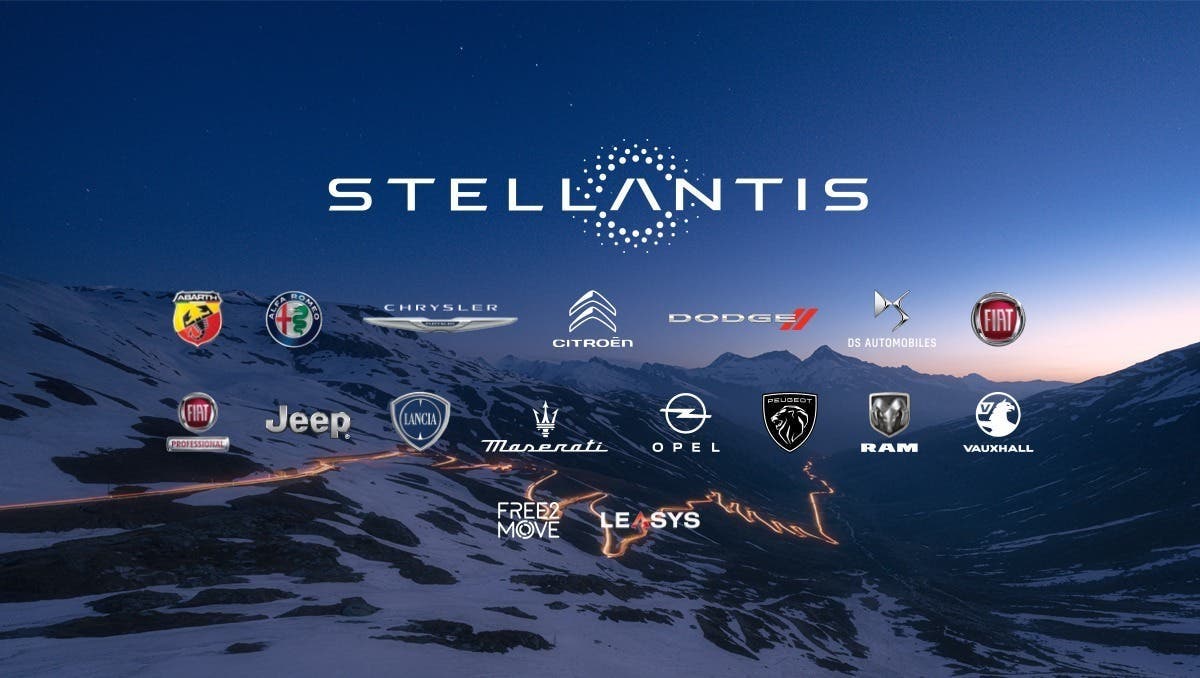
The reflection stems from the need to simplify the management of a conglomerate that today brings together 14 brands in over 130 countries, seeking to reduce overlaps and improve efficiency. The idea behind the reorganization is to concentrate each brand in the market where it can best express its potential, strengthening industrial and commercial synergies.
In the European context, Peugeot continues to represent a cornerstone. Historically linked to the former PSA group, Peugeot maintains a strong presence in the Old Continent and a strategic role in the future structure. The Peugeot family, still a Stellantis shareholder, thus confirms its weight within the new balance.
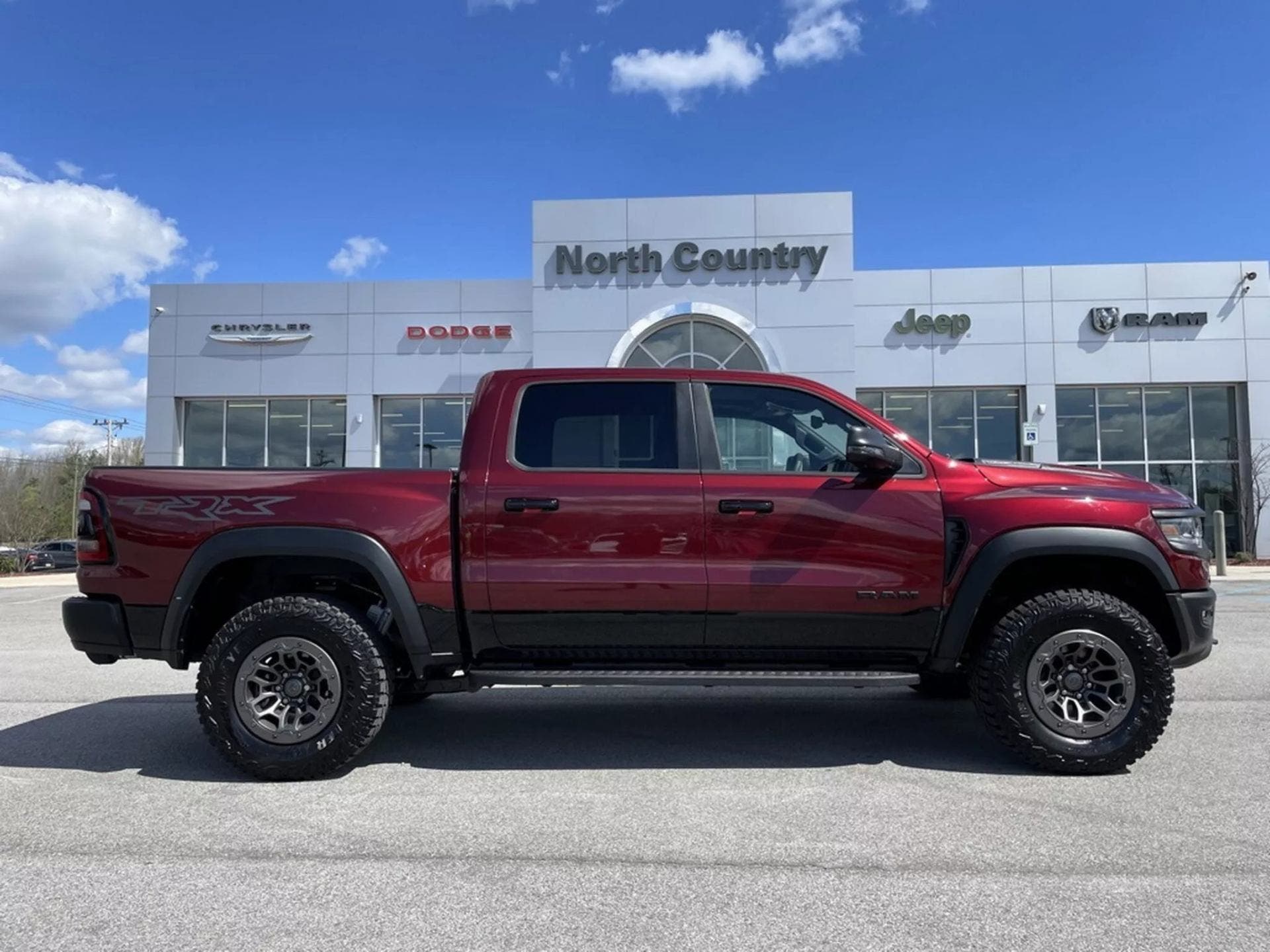
On the American side, Jeep and Ram confirm themselves as reference brands. Jeep remains one of the group’s most solid and profitable global brands, a strong point in US and international markets. Ram, specialized in pickups and commercial vehicles, operates in a high-margin segment and completes the offering with a range strongly rooted in American tradition.
More complex is Maserati’s situation, the only luxury brand in the Stellantis portfolio. Despite recent reorganization and the arrival of models like GranTurismo Folgore and Grecale, the Trident continues to record negative results. The group does not intend to sell it, but would be evaluating a downsizing of development programs to reduce costs and reposition the brand on more sustainable foundations.
The ongoing review is not yet final and more clarity will be made in the coming months. But, if confirmed, the new organization will mark the start of a leaner and more focused phase for Stellantis, with brands managed more autonomously but inserted in a more coherent global vision compared to the Tavares era.