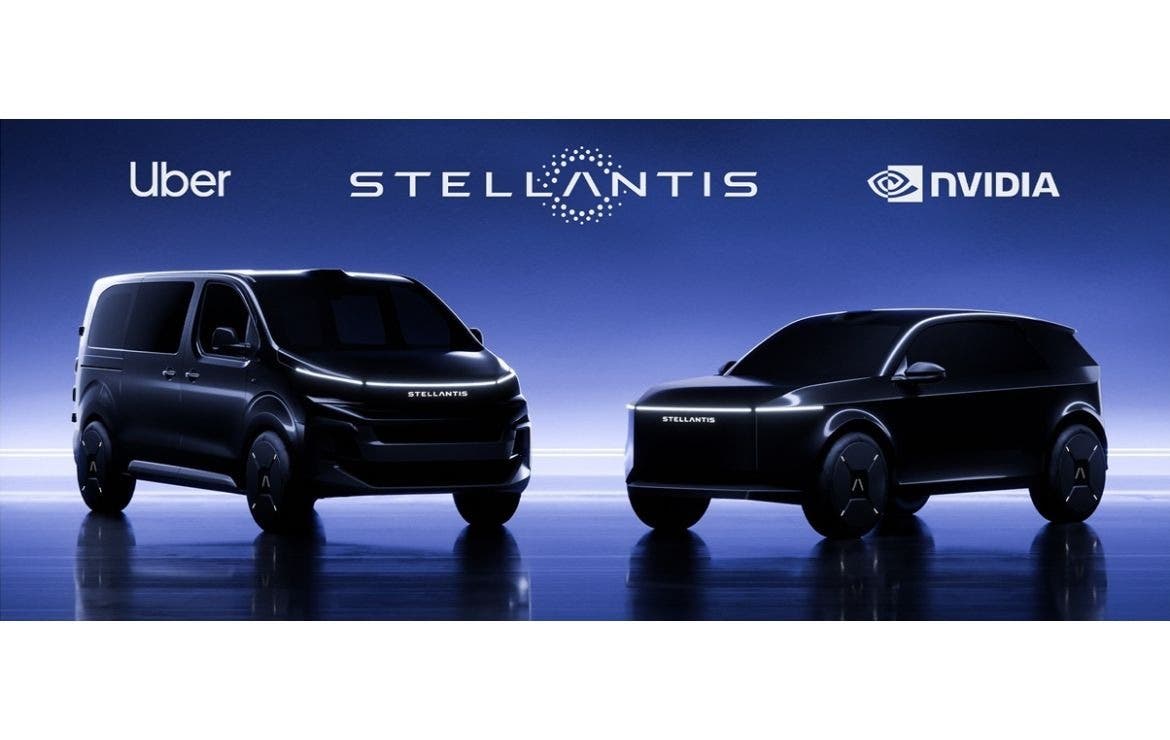
Stellantis, Wayve and Uber have signed a non-binding memorandum of understanding to jointly explore the development and global deployment of Level 4 autonomous robotaxis, a project that brings industrial capability, artificial intelligence and mobility infrastructure into a single ecosystem.
The agreement, still at a preliminary stage, defines the framework within which the three companies may negotiate future commitments on licensing, production, technology development and vehicle supply, while leaving each partner free to continue other collaborations in the autonomous driving sector.
Stellantis, Wayve and Uber team up as robotaxis gain ground globally
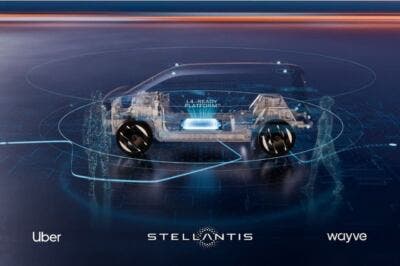
The logic behind the agreement rests on the complementary roles of the three partners. Stellantis will provide its L4-Ready Platforms, architectures designed to integrate sensors, redundant systems and all the components required for driverless operation, while handling design, engineering development and series production.
Wayve, which specialises in artificial intelligence applied to autonomous driving, will contribute its AI Driver system. The technology uses an end-to-end approach capable of interpreting complex urban environments and adapting to different cities and driving conditions without requiring dedicated mapping for each individual area.
Uber, meanwhile, will be responsible for integrating the vehicles into its global network and managing the scalability of the service across different markets, allowing users to access autonomous rides directly through the app once the service becomes operational and receives regulatory approval.
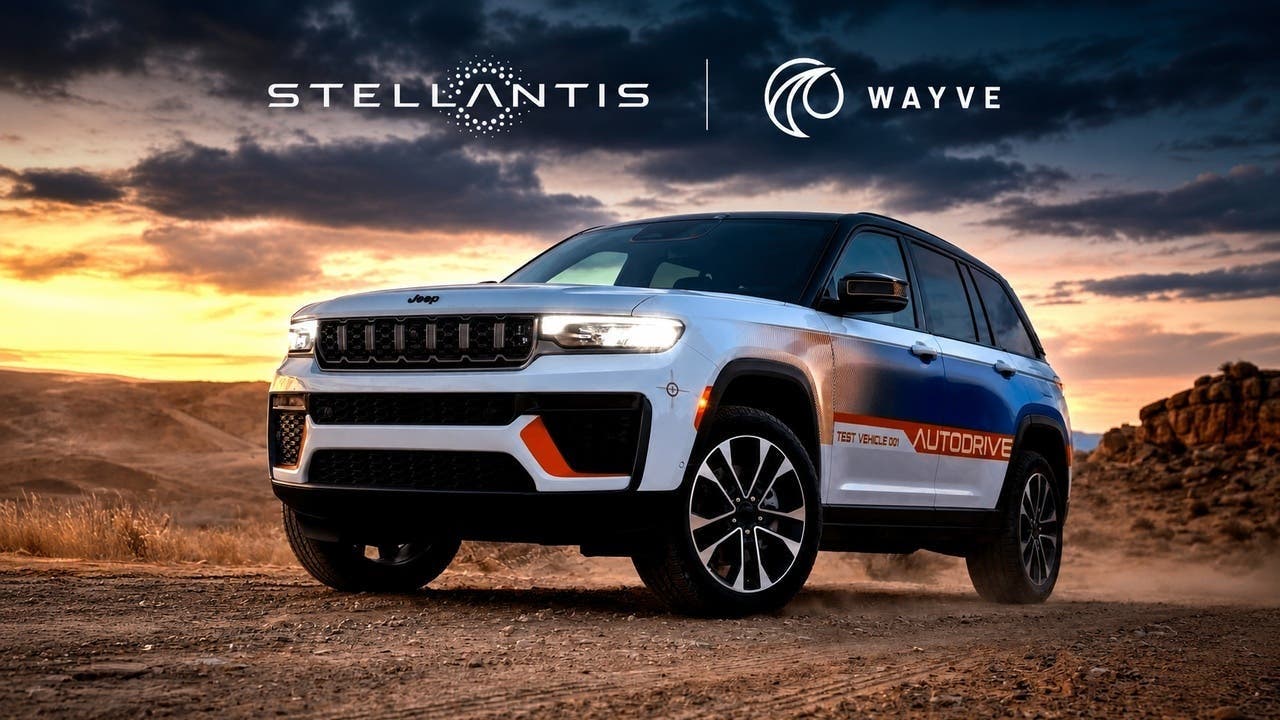
The collaboration does not come out of nowhere, but builds on existing relationships between the companies involved. Stellantis and Wayve recently signed a separate agreement for the development of L2++ driver assistance systems, while Wayve and Uber are already working together on the deployment of autonomous services in cities such as London and Tokyo.
According to Ned Curic, Stellantis’ Chief Engineering and Technology Officer, the agreement brings the group closer to its goal of offering smarter, safer and more efficient mobility. Wayve highlights the value of combining an industrial platform, a global network and artificial intelligence, while Uber sees the integration of vehicles, technology and commercial infrastructure as the necessary step to bring autonomous mobility to a truly scalable dimension.
For Stellantis, the memorandum represents another piece of its robotaxi strategy, although the path towards a possible commercial launch remains long. The companies have not yet announced timing or debut markets.