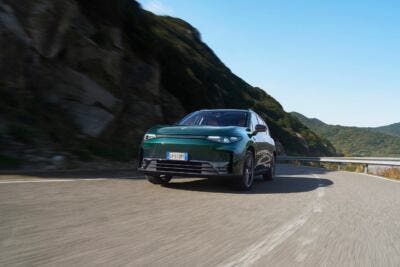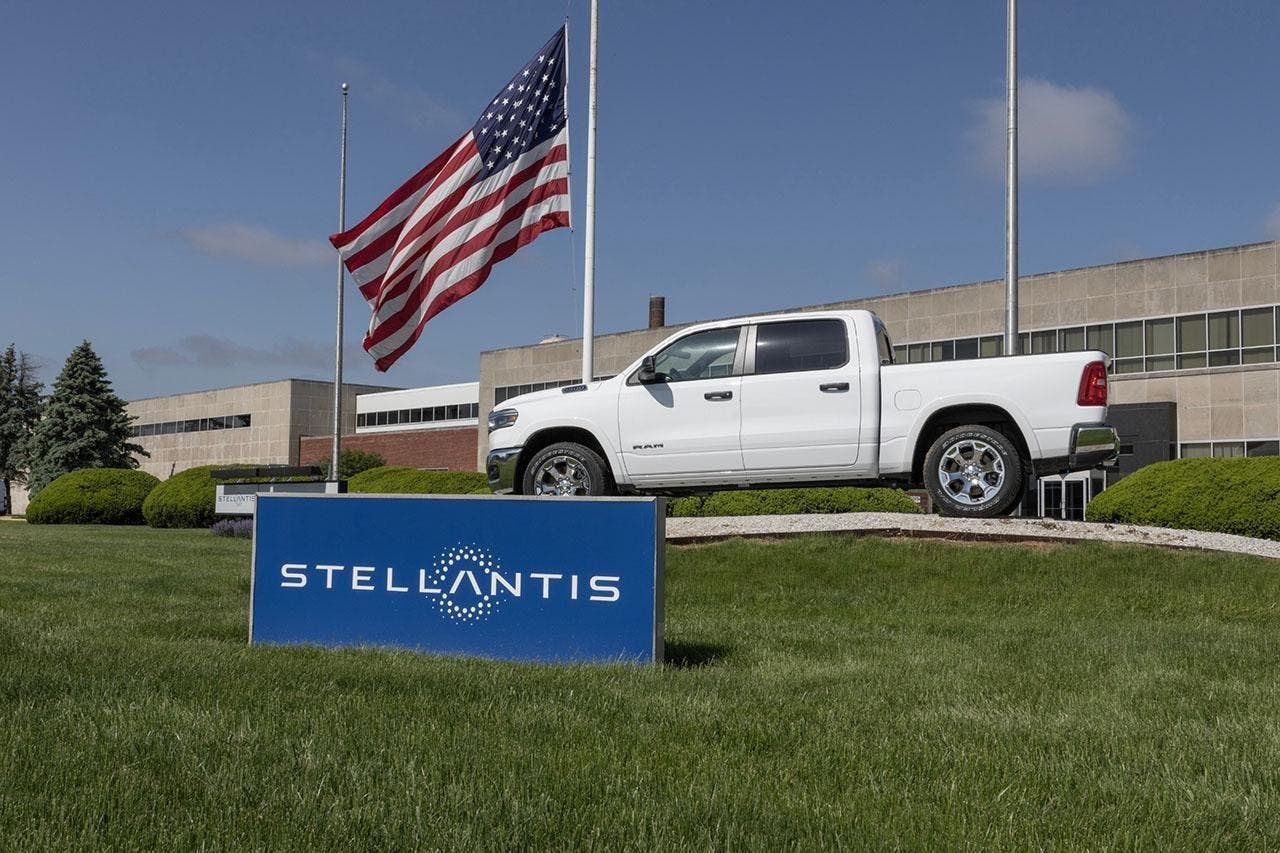
Pricing has returned to the center of Stellantis’ strategy in the United States. CEO Antonio Filosa reiterated this point at the Detroit Auto Show 2026, where the group outlined its plan to make its lineup more accessible by revisiting pricing structures and introducing smaller, more affordable vehicles. The goal is to expand the customer base with competitively priced models, including options that could drop below the $30,000 mark.
Stellantis wants to win back the U.S. market with cars priced under $30,000
According to Filosa, Stellantis is pursuing this strategy along two main paths. On one hand, the company aims to strengthen its value proposition by offering better-balanced equipment and content relative to price. On the other, Stellantis plans to reshape its lineup itself, adding simpler, lower-cost vehicles that better match the real needs of the U.S. market. As Filosa noted, the group has already begun moving in this direction over the past year.
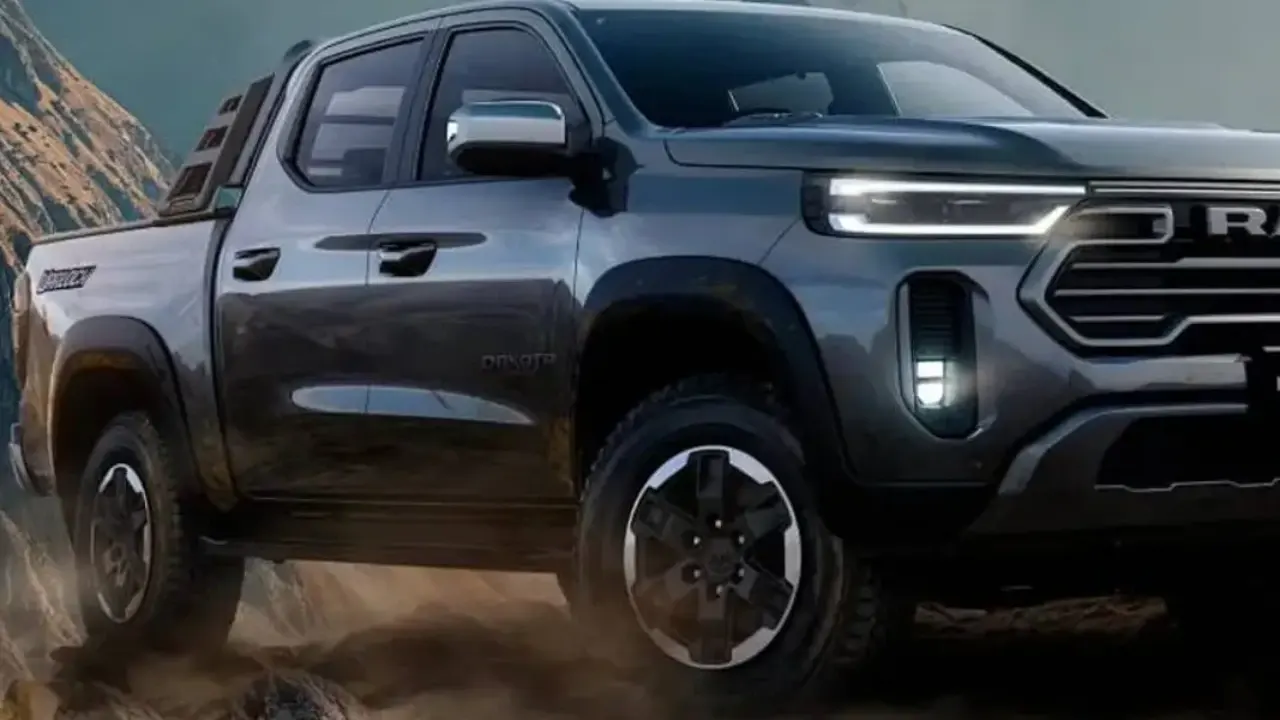
Recent pricing and trim adjustments at Jeep serve as clear examples of this approach. Targeted price cuts and a streamlined lineup have already taken effect. Filosa also pointed to an upcoming product: a new mid-size Ram pickup, expected to launch next year, designed to sit at a lower price point than the brand’s current offerings.
However, Filosa made it clear that this effort is far from finished. Stellantis plans to announce additional compact and affordable models in the future, with the aim of strengthening its presence below $40,000 and exploring further opportunities under $30,000. The strategy seeks to restore competitiveness in a market where rising prices over the past few years have made new vehicles increasingly inaccessible to a large portion of buyers.
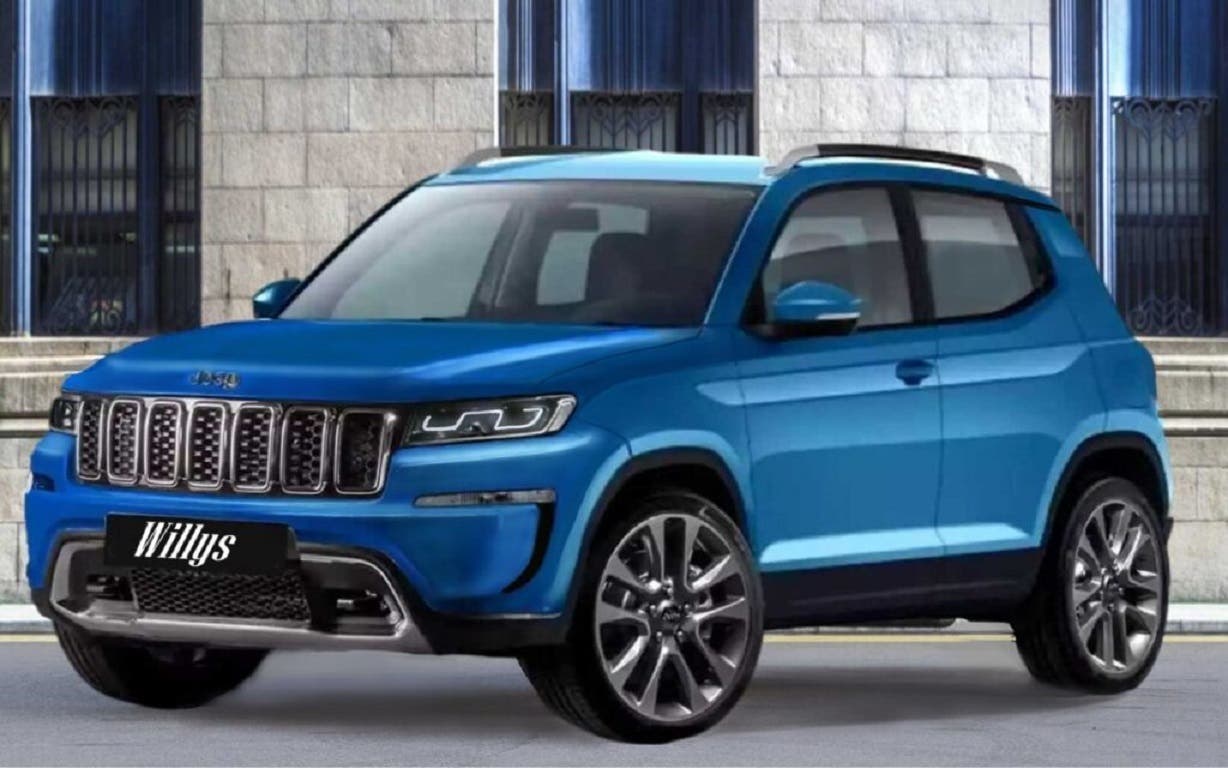
That renewed focus on affordability does not mean embracing every type of powertrain. As previously indicated, Stellantis does not plan to introduce an ultra-low-cost electric Jeep in the United States, an idea that circulated during the tenure of former CEO Carlos Tavares. For North America, the group will continue to prioritize gasoline and hybrid solutions, which it considers better aligned with local preferences and current market conditions. As a result, Jeep may still offer models priced under $30,000, but without relying on full-electric powertrains.
This shift toward accessibility comes at a sensitive moment for the U.S. auto industry. The average price of a new vehicle now hovers around $50,000, far higher than it was a decade ago. In this context, Stellantis’ bet is straightforward: put pricing back at the center of the equation to regain volume and make buying a new car a realistic option for a broader audience once again.