

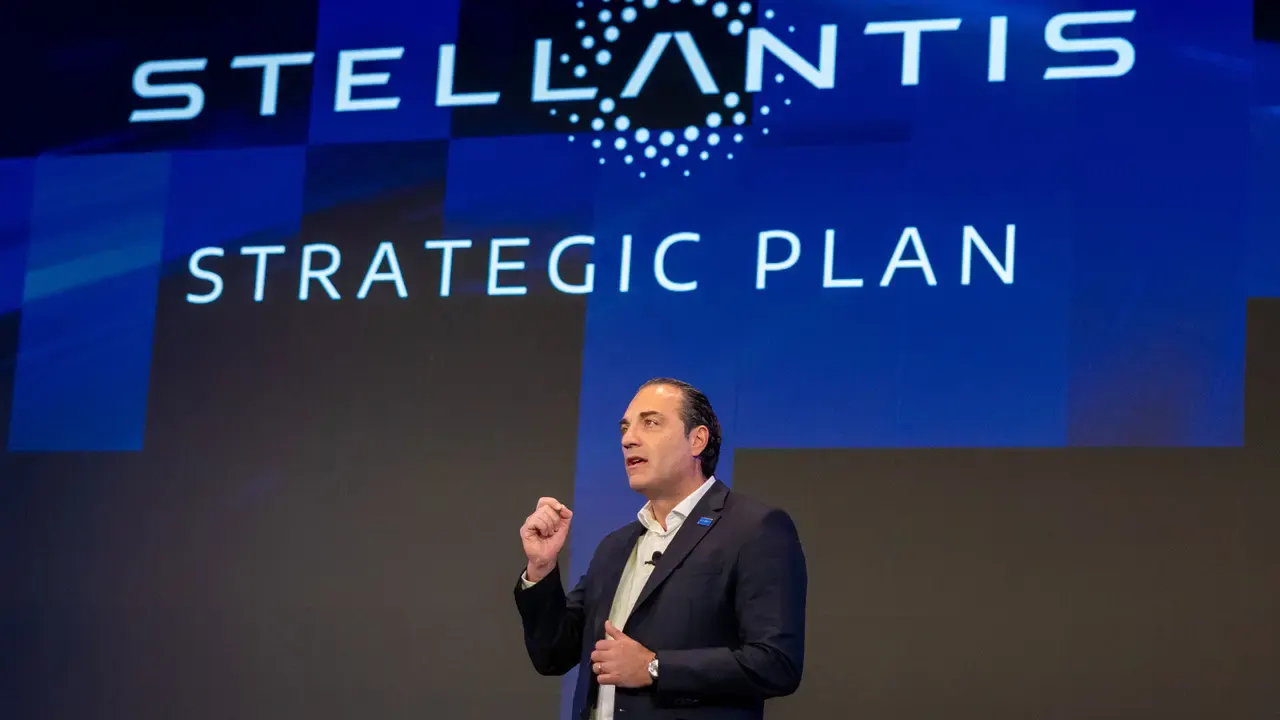
Antonio Filosa is discovering that inheriting Tavares’ corporate wreckage is a lot like buying a flooded basement: no matter how much water you pump out, the foundation still reeks. Granted, Stellantis’ CEO just received his first batch of “good news”.
In the second quarter of 2026, the automaker managed to ship 1.597 million vehicles to dealers and customers, a 10% increase over last year. In North America, deliveries surged by an eye-watering 38% to 445,000 units, propelled by American staples like the Ram 1500 V8 HEMI, Jeep Cherokee, Grand Cherokee, and the Dodge Charger SIXPACK. Even in Europe, deliveries rose 5% to 762,000 vehicles, thanks to fresh metal like the Citroën C3, Opel Frontera, Fiat Grande Panda, and Chinese-imported Leapmotor models.
But Wall Street isn’t buying the PR victory lap. On July 13, Stellantis stock was trading at a dismal €4.8 to €4.9, after bottoming out at an all-time low of €4.59 just days prior, a pathetic comedown from the €27 per share commanded in March 2024. Investors have finally realized that stuffing dealer lots with inventory does not equate to actual retail sales or healthy margins. They want cash, profits, and actual buyers, not parked cars.
Of course, Filosa didn’t write this tragic script. He just inherited the expensive production. Tavares left behind inflated prices, furious dealers, quality issues, and an overzealous rush toward electric vehicles. The carnage was laid bare in 2025, which closed with a jaw-dropping net loss of €22.3 billion, burdened by €25.4 billion in extraordinary charges and a negative industrial free cash flow of €4.5 billion. While Q1 2026 showed a faint pulse, revenues up 6% to €38.1 billion and a €377 million profit, the operating margin shrank to a razor-thin 2.5%, and cash flow bled another €1.9 billion.
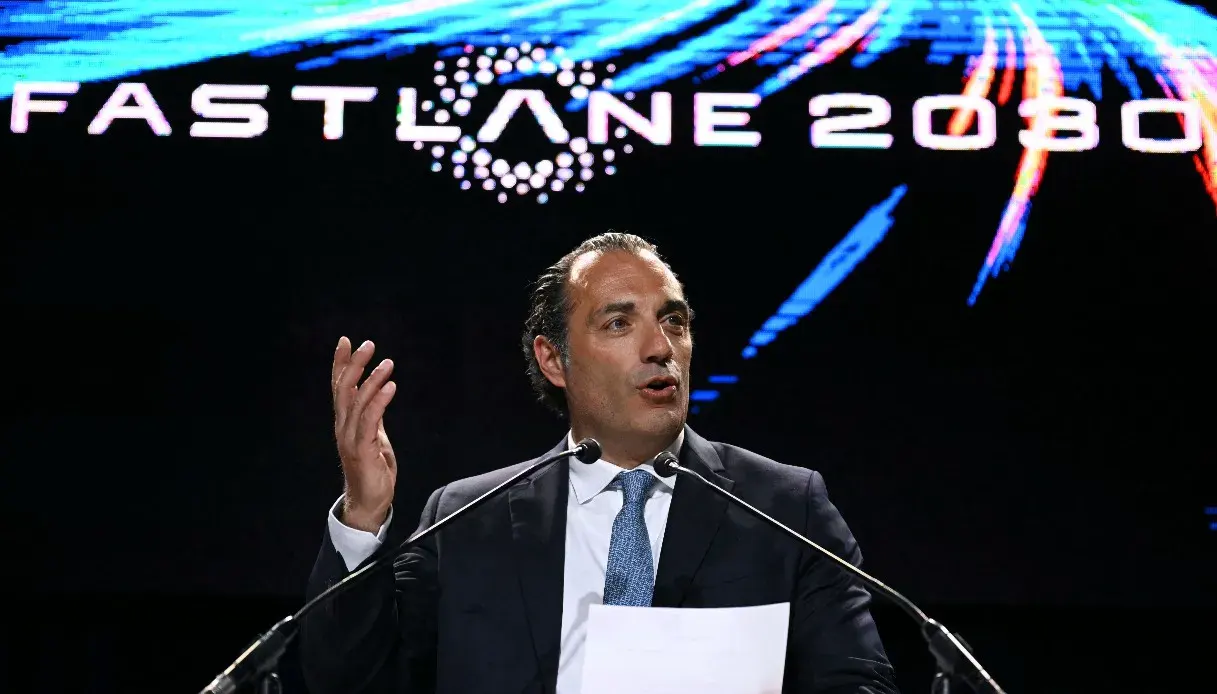
Filosa’s counteroffensive is his €60 billion “FaSTLAne 2030” strategy, promising 60 new models, cutting European capacity by 800,000 cars, and saving €6 billion annually by 2028. It also involves demoting DS under Citroën and Lancia under Fiat.
But restructuring takes years, and Wall Street is out of patience. The real moment of truth arrives on July 30, 2026, when Stellantis drops its Q2 financials. Filosa has successfully shipped more cars, but on July 30, we will see if he actually made any money.