

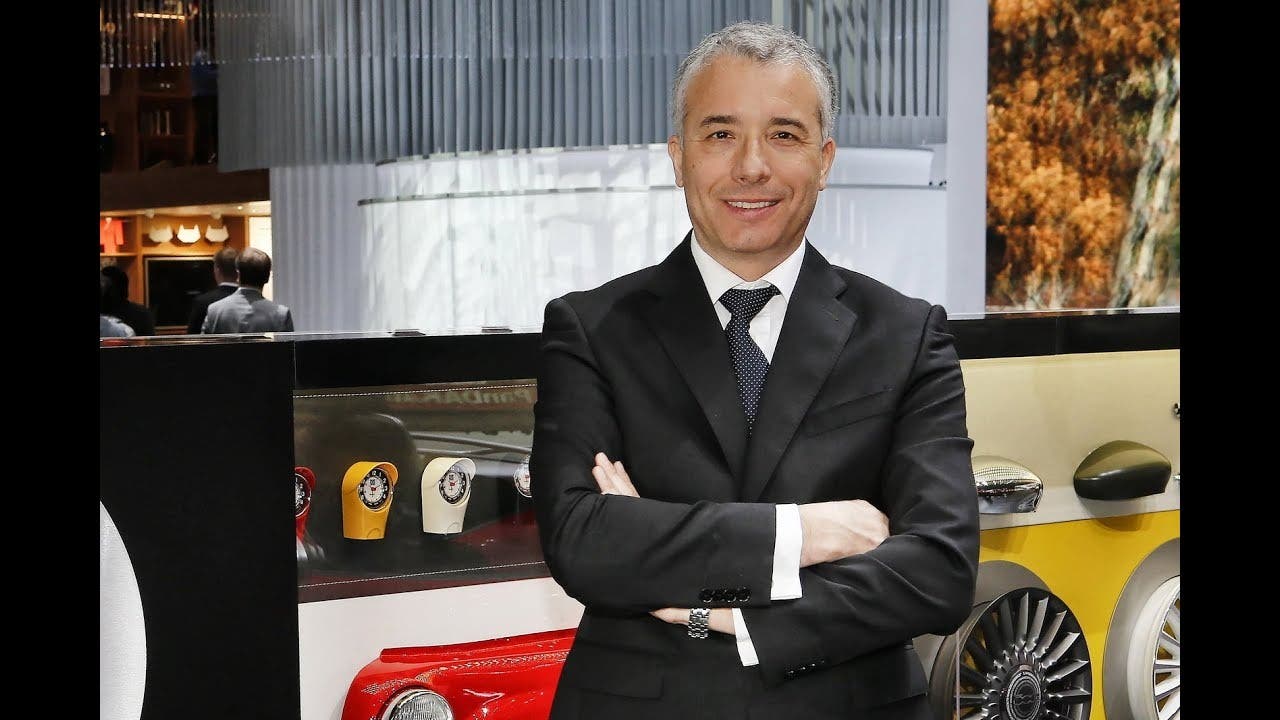
Santo Ficili becomes CEO of Maserati while also continuing to lead Alfa Romeo, as part of an organizational reshuffle that Stellantis is making effective from July 1 in the Enlarged Europe region. The new appointments involve executives reporting directly to Emanuele Cappellano, COO for Enlarged Europe & European Brands and Head of Stellantis Pro One, and signal the group’s intention to consolidate several functions considered strategic for the European market.
Santo Ficili takes charge of Maserati while keeping Alfa Romeo role
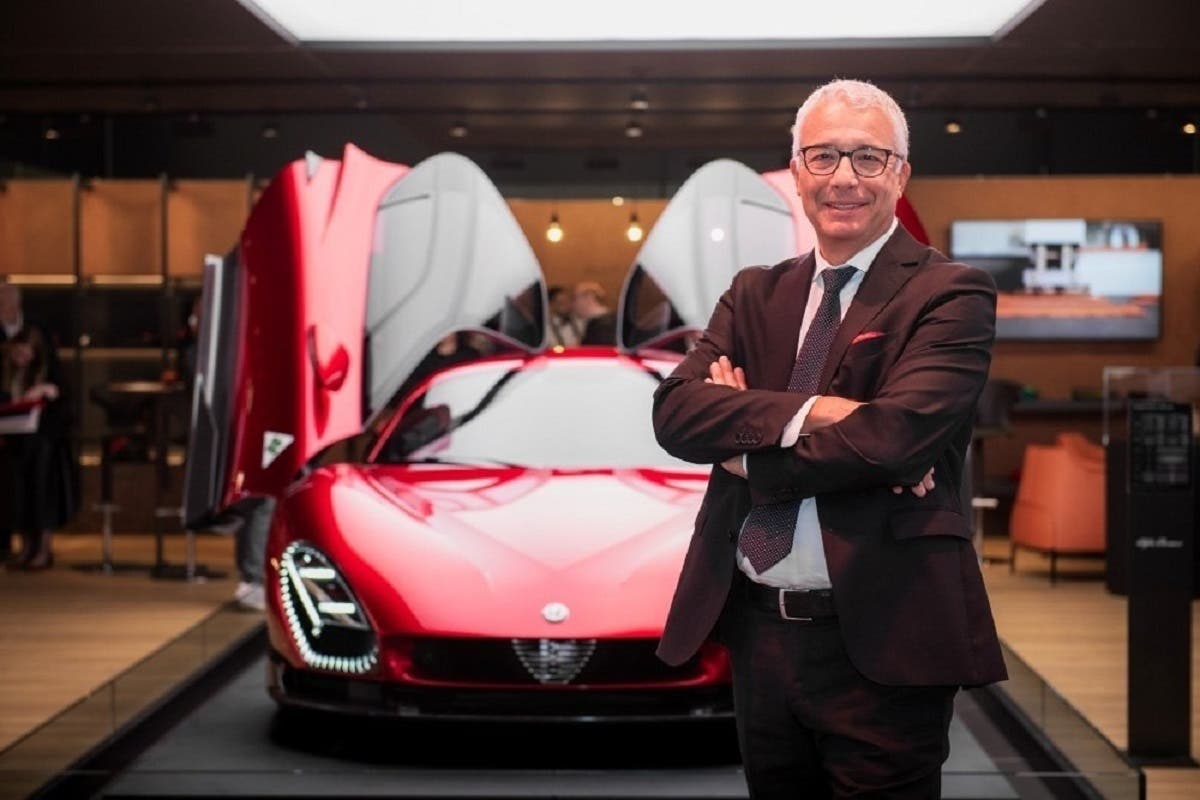
The dual responsibility given to Ficili brings together two Italian brands with enormous historical weight for Stellantis, each facing different challenges. Alfa Romeo is going through a transformation phase shaped by electrification, product renewal and a stronger push into premium segments. Maserati, meanwhile, needs to regain commercial momentum and strategic clarity in a luxury market that is changing quickly, while remaining one of the group’s most prestigious assets. Giving both brands to the same executive can be seen as an attempt to better coordinate two Italian premium ambitions while keeping their identities and positioning separate.
The reshuffle also appoints Luca Napolitano as Head of Stellantis &You Sales and Services, a role the group has given to a manager already deeply familiar with its structure. Stellantis &You represents the group’s direct channel for sales and services, an area that is becoming increasingly important as the relationship with customers changes rapidly through dealer networks, aftersales support and digital channels that now play a central role in automakers’ strategies.
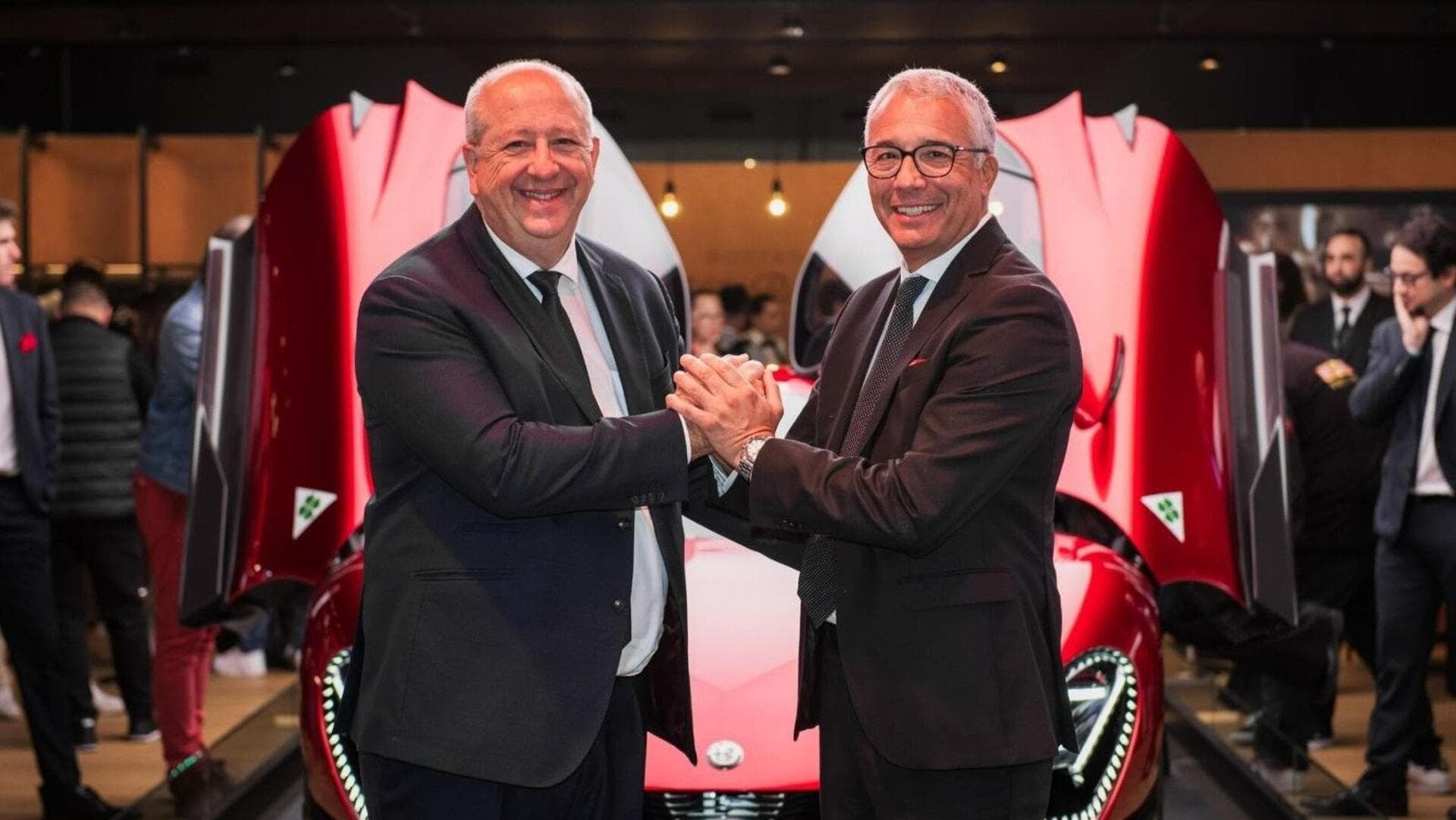
These appointments coincide with the departure of Jean-Philippe Imparato, who leaves Stellantis after 36 years with the group. His career brought him to several leading positions and made him one of the most recognizable figures in European automotive management. Cappellano thanked Imparato for his contribution over the years, highlighting his human and professional value, while also congratulating Ficili and Napolitano, who are already active in their respective areas.
Their leadership will have to guide Stellantis through a delicate phase marked by competitive pressure, technological transition and changing buying habits, while the group works to strengthen the profitability of its European brands. The most closely watched move remains the one involving Alfa Romeo and Maserati, two brands whose importance to the group’s Italian image goes far beyond that of ordinary commercial divisions.