After years dominated by narratives of cost-cutting and uncertainty regarding its North American footprint, Stellantis is staging a significant reversal. The automaker is embarking on a substantial hiring spree, adding nearly 2,000 new technical and production positions in the United States. This is a strategic move framed as part of a larger, long-term “New U.S. Manufacturing Strategy”. And it’s designed to stabilize operations, reinforce product development, and rebuild trust in communities that feared Stellantis was quietly withdrawing.
The decision to recruit 2,000 workers is a powerful signal that the company is shifting from mere restructuring to operational consolidation. The focus is squarely on strengthening daily production capabilities. This influx of personnel is directly linked to the need to keep assembly lines running smoothly, align staff with new production schedules, and execute massive capital expenditure plans aimed at reshaping how Stellantis sources and builds vehicles across North America.
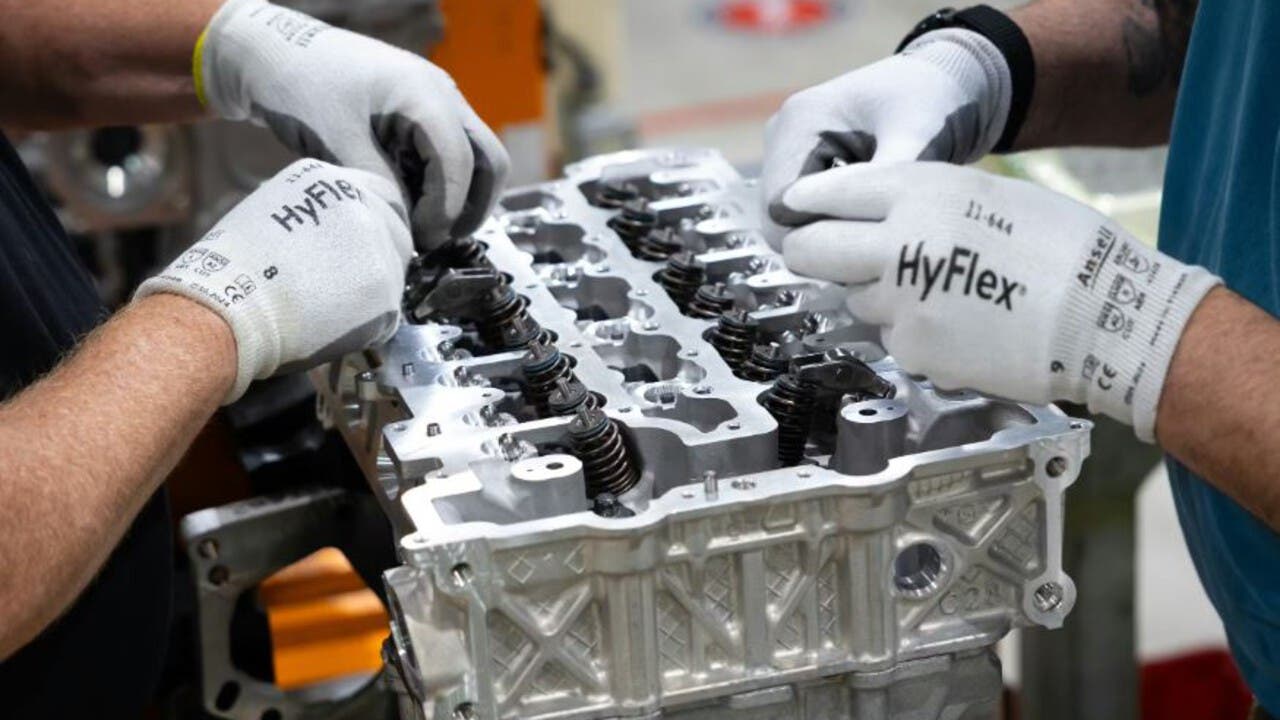
The most striking aspect of this hiring wave is the heavy emphasis on hands-on manufacturing and technical jobs, rather than purely corporate or administrative roles. Stellantis is actively seeking skills across “all manufacturing disciplines,” explicitly calling out specialized areas like “Stamping” and “Energy” operations. This suggests that the new recruits will be direct contributors to the assembly lines, component production, and plant engineering.
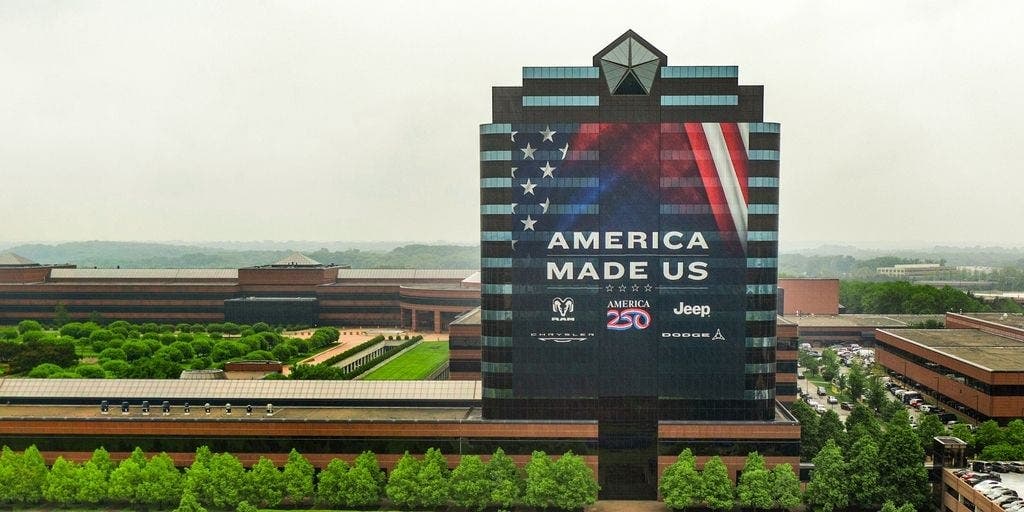
In parallel, Stellantis is simultaneously bolstering its headquarters and product development hubs, including a significant recruitment drive at its Auburn Hills, Michigan, base. This effort is explicitly framed as “rebuilding” momentum after previous restructuring cycles caused significant anxiety among local officials and suppliers.
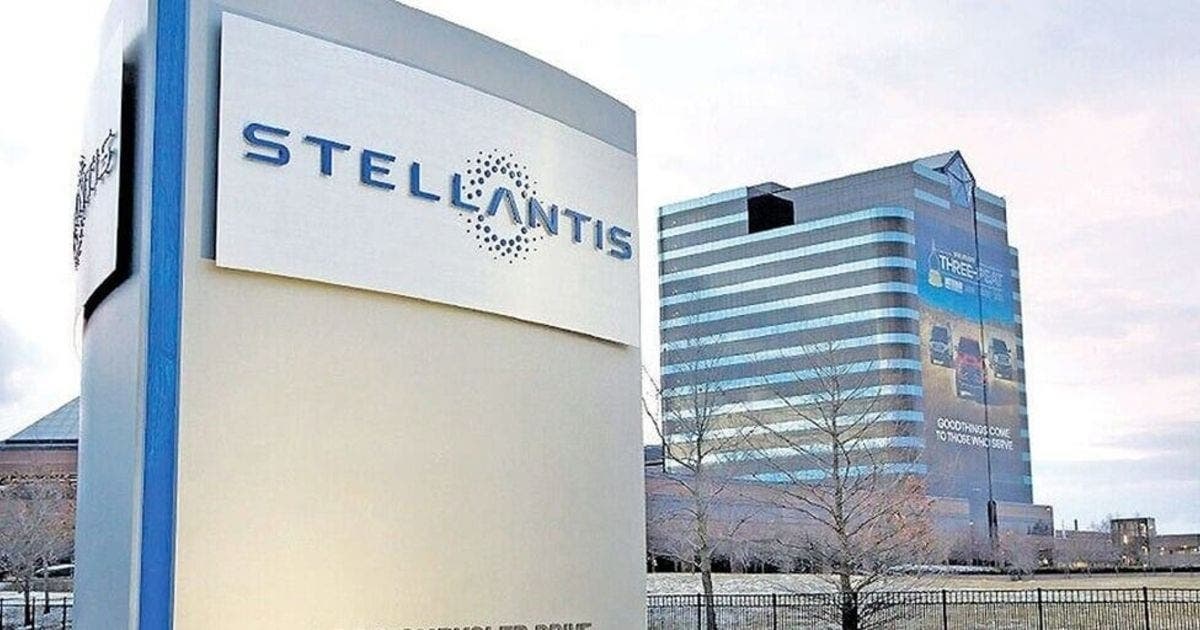
While the Auburn Hills hires encompass broader engineering and planning roles, they are intrinsically linked to the 2,000 production jobs. The engineers design the vehicles, and the skilled manufacturing specialists ensure those designs can be executed reliably at scale.
Ultimately, these nearly 2,000 new technical and production roles are a crucial piece of the puzzle. They are the tactical means by which Stellantis intends to implement its broader strategy of supply chain resilience and production alignment.