Once upon a time, the automotive world worshipped at the altar of extreme profitability, a cutthroat religion led by Carlos Tavares. Stellantis looked like the perfect money-making machine on paper, but someone forgot a tiny, annoying detail: cars actually need to work.
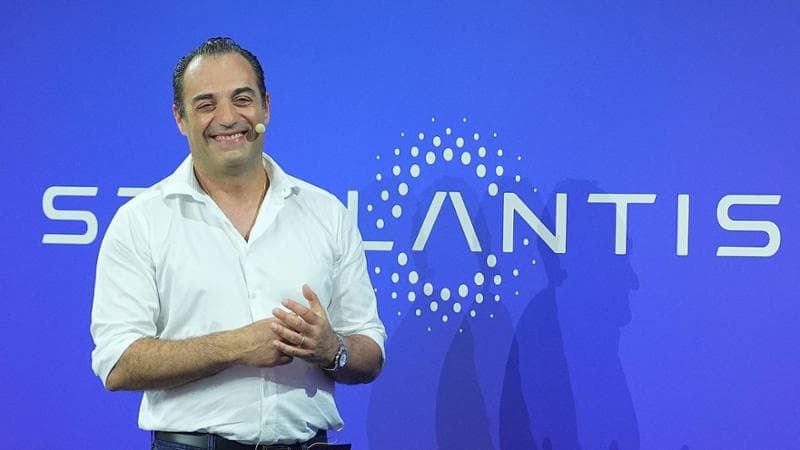
The dream of “efficiency at any cost” has officially soured into a massive, expensive admission of guilt. Enter Antonio Filosa, the man tasked with picking up the pieces of an era defined by industrial castration and a pathological obsession with margins.
Let’s talk about the ghost of the PureTech scandal. Those fragile engines and the legion of furious customers left a scar that no clever accounting trick can hide. Then came the Citroën C3 launch, a disaster held hostage by software bugs so amateur they’d make a high school coder blush. This wasn’t “optimization”, it was a 50,000-person bloodletting that essentially left the group’s technical soul. It turns out that when you fire the people who actually know how to bolt a car together, the cars stop staying together.
Now, we’re witnessing the most expensive “we messed up” in automotive history. The management is frantically rehiring 10,000 employees, crawling back to a global workforce of 259,000. It’s a quiet, desperate apology whispered through the corporate halls of Detroit and Paris. In the United States, Filosa is throwing $13 billion at the problem. He’s looking to hire 2,000 engineers and 5,000 factory workers just to give brands that were left gasping for air a shred of technological dignity again.
This is the ultimate revenge of the short-term mindset. Those record-breaking profits in 2023 were a mirage. A feast prepared by eating the very seeds meant for next year’s harvest. We can only hope these new hires can fix more than just the engines. They need to repair the credibility of a giant that mistook industrial anorexia for peak physical fitness. Quality has a price, and Stellantis is finally realizing that paying it is much cheaper than watching the whole house of cards collapse.