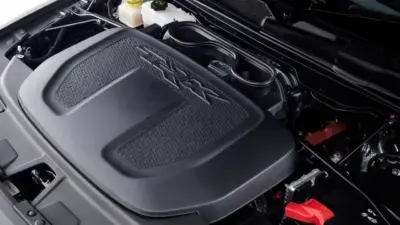
In the first quarter of 2026, Stellantis exported 34,400 vehicles from Brazil, marking a 10.3% increase compared with the final quarter of 2025 and confirming its position as the country’s leading auto exporter. The result strengthens Brazil’s role as a key industrial platform for the group’s operations across the region, a point also emphasized by Herlander Zola, Stellantis president for South America, who reiterated the central importance of the Brazilian production base in supporting the group’s brands in neighboring markets.
Stellantis exports 34,400 vehicles from Brazil in Q1 2026
The biggest contribution to exports came from the Betim hub in the state of Minas Gerais, with 19,213 vehicles sent to foreign markets. It was followed by the Goiana plant in Pernambuco, with 9,604 units, and the Porto Real plant in the state of Rio de Janeiro, with 5,620 vehicles.
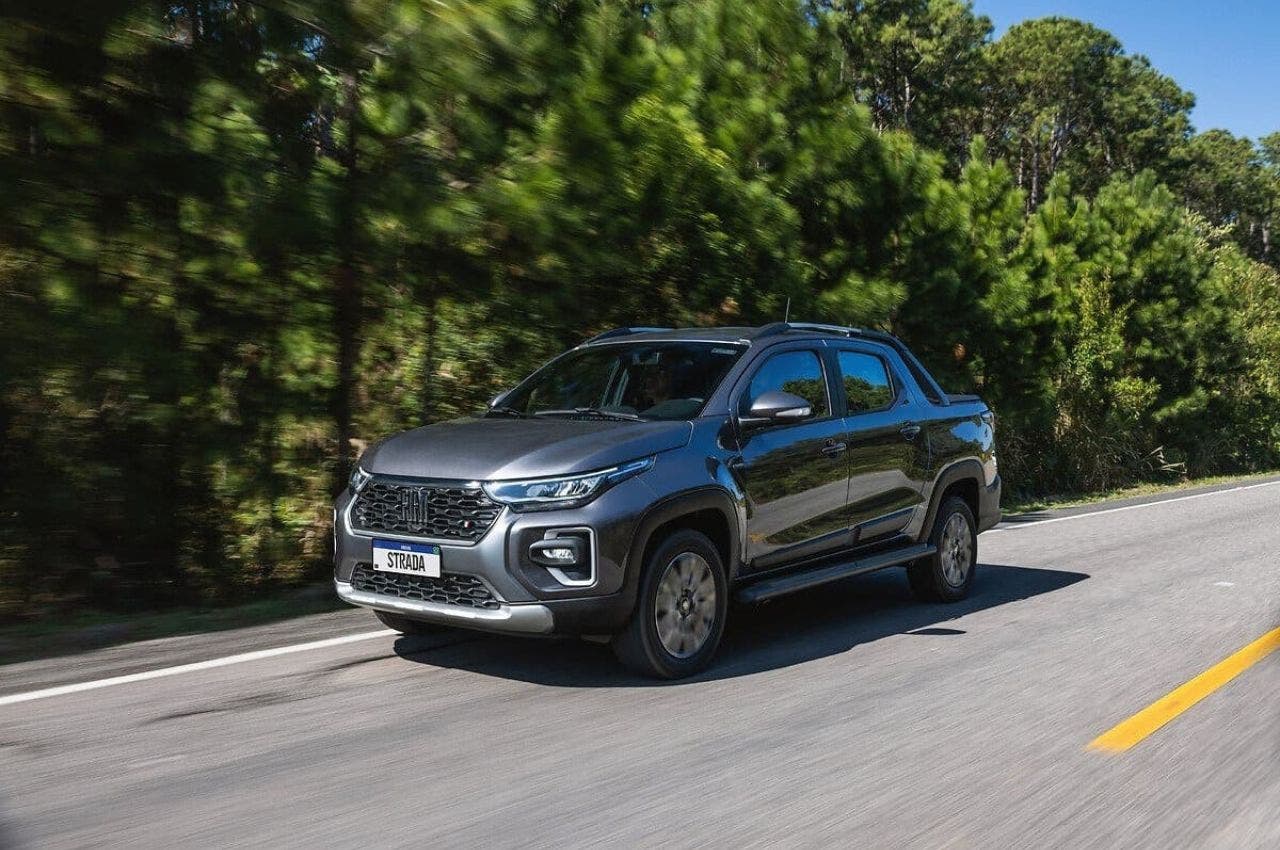
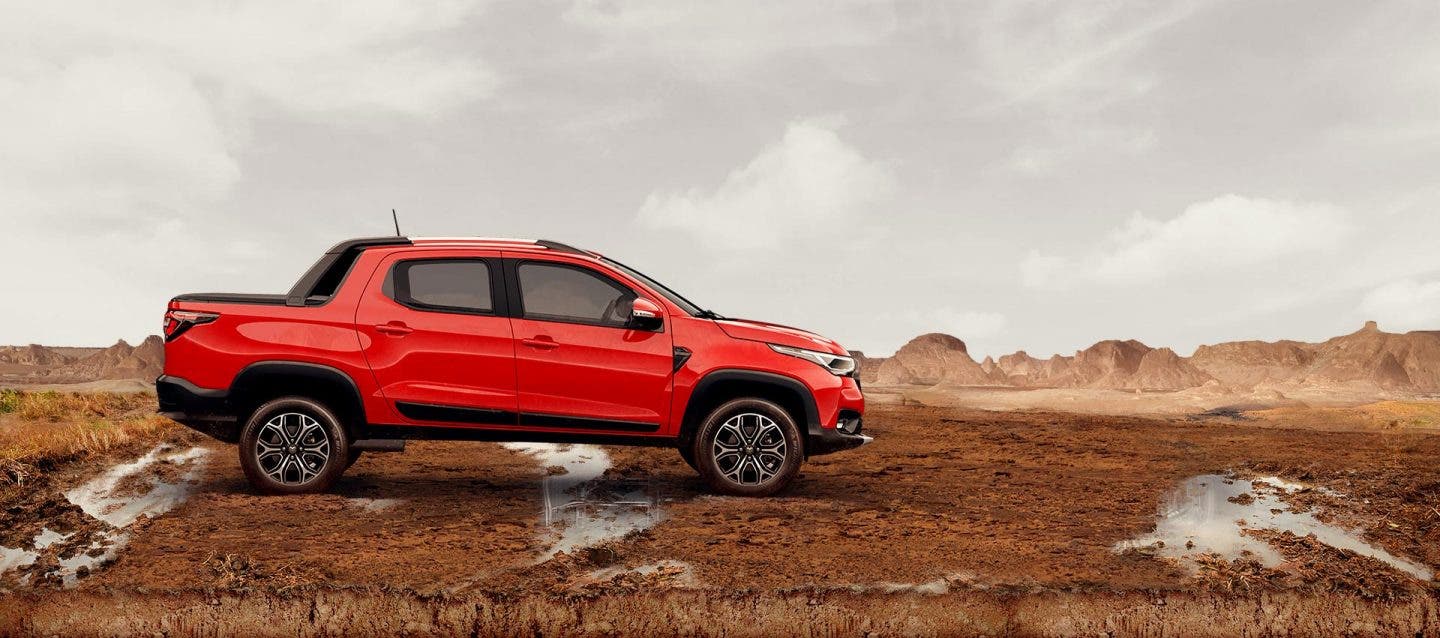
Among the main export models, the Fiat Strada stood out. Sold in some markets as the Ram 700, it ended the quarter with 9,100 units exported from the Betim plant. In Goiana, the leading export model was the Jeep Compass with 3,200 units, while in Porto Real the Citroën C3 led volumes with 2,400 vehicles shipped abroad.
Production figures also confirm the strength of Stellantis’ Brazilian base. In the first three months of the year, the group assembled 197,715 vehicles in the country, up about 3.3% from the same period in 2025. Betim contributed 125,453 units, Goiana 57,864, and Porto Real 14,398.
Supporting these volumes and the group’s medium-term growth path is an investment plan worth 32 billion Brazilian reais, equal to about €5.2 billion, scheduled between 2025 and 2030. Stellantis describes it as the largest investment cycle in the history of the South American auto industry.
The resources will support greater production capacity, improved plant efficiency and the renewal of the group’s multi-brand portfolio in the region, which now ranges from pickups and SUVs to compact cars designed for the most accessible segments of the market.