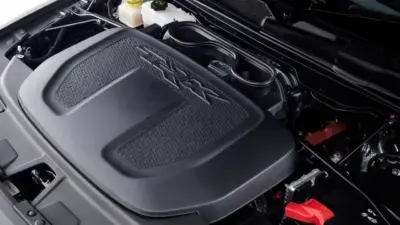
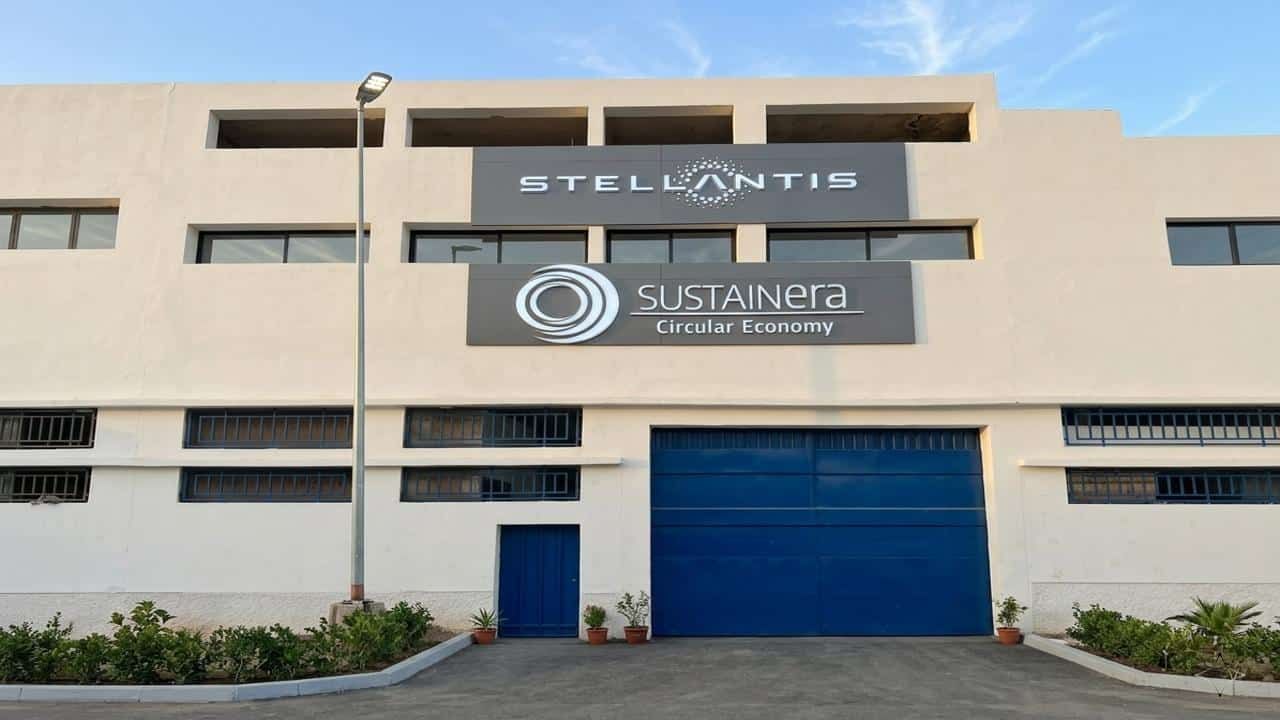
Stellantis is opening its first vehicle dismantling center in the Middle East and Africa, located in Casablanca. In just a few years, Morocco has become the heartbeat of African automotive production, and the manufacturing giant is well aware of it.
The facility, spanning roughly 64,500 square feet (6,000 square meters) in the Atlantic port city, will process up to 10,000 end-of-life vehicles annually and create 150 direct and indirect jobs. The operation costs approximately $1.7 million a relatively modest sum for a group of this magnitude.
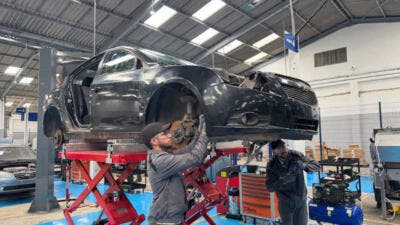
This marks the third center of its kind opened by Stellantis globally, following Turin and São Paulo. The operating model is based on circular economy principles applied to the automotive sector. The facility recovers vehicles from insurance companies, auctions, and disposal channels, dismantles them, selects original parts that are still functional, and puts them back into circulation.
While the concept isn’t inherently new, implementing it in a region like the Middle East and Africa, where the used parts supply chain has historically been fragmented and poorly regulated, is a different story entirely.
Samir Cherfan, Stellantis COO for the region, used all the right buzzwords: a 360-degree approach, remanufacturing, reuse, and recycling. It is, in essence, the vocabulary of sustainability. However, he also noted that the plant will handle batteries from dismantled electric vehicles.
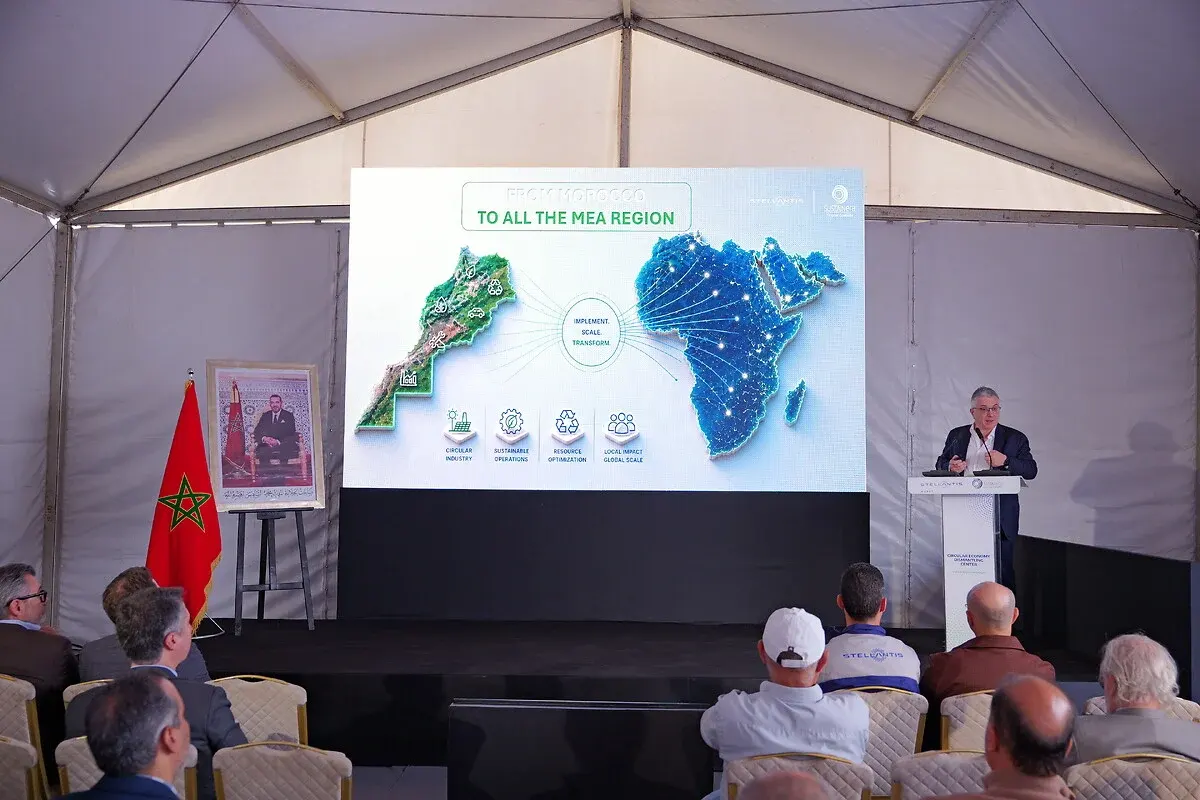
In July 2025, Stellantis invested $1.3 billion to expand its Kenitra production plant, aiming to double capacity and reach 75% local sourcing by 2030. Morocco, for its part, aims to end 2025 with one million vehicles produced, solidifying its position as the continent’s leading manufacturer.
Casablanca, therefore, is more than just a dismantling hub. It is a key piece of an industrial strategy being built brick by brick, away from the European spotlight. Once completed, it will redraw the map of the global automotive supply chain.