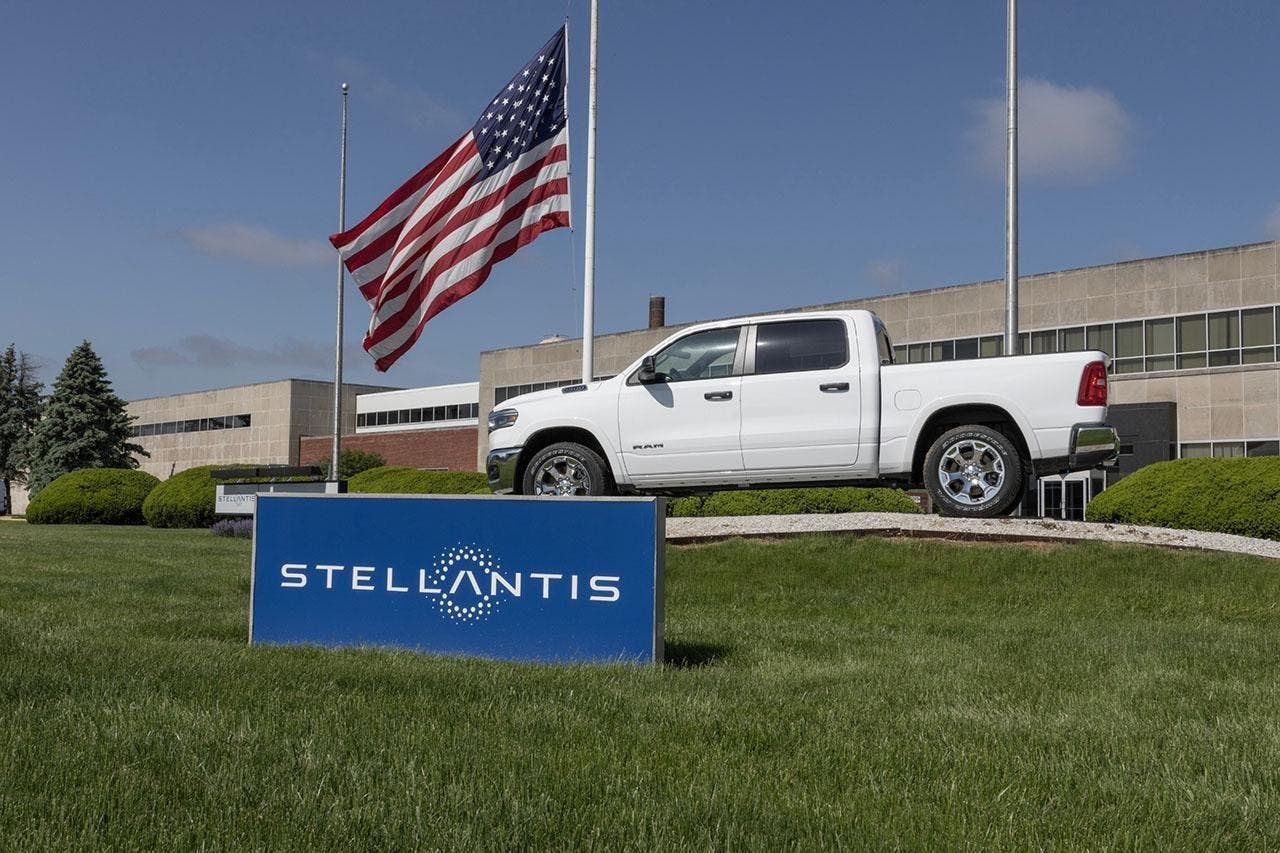
Stellantis closed the first quarter of 2026 in the United States with 305,902 vehicles sold and a 4 percent year-over-year increase, a result that runs against the direction of a market that early indications suggest moved more weakly. The figure strengthens the sense that Antonio Filosa’s leadership may already be having an initial positive effect in a region where the group had gone through a particularly difficult phase in recent years. Within the overall result, however, less reassuring signs also emerge, especially around some of the electric vehicles that had played a central role in the group’s recent U.S. strategy.
Stellantis is growing again in the U.S., but some EVs are struggling badly
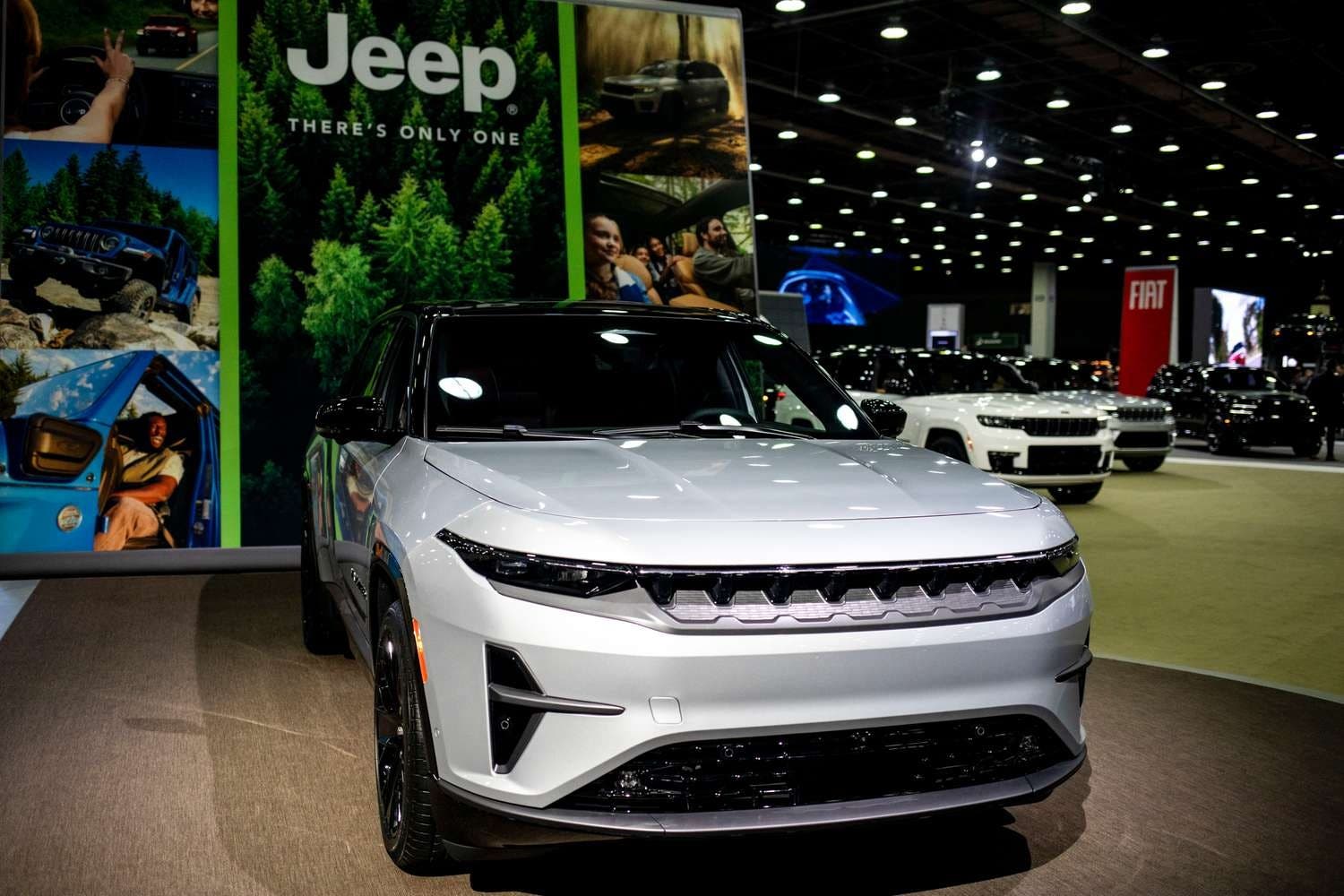
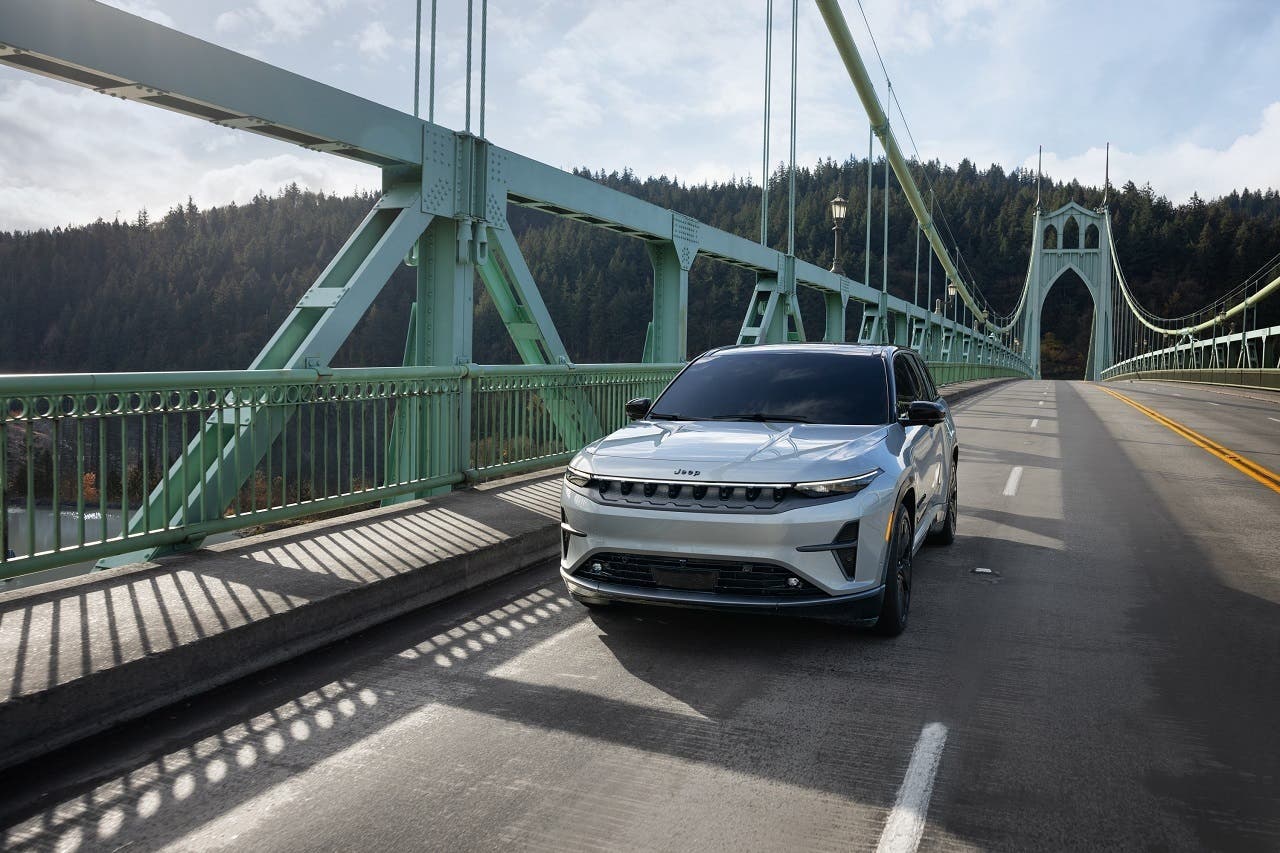
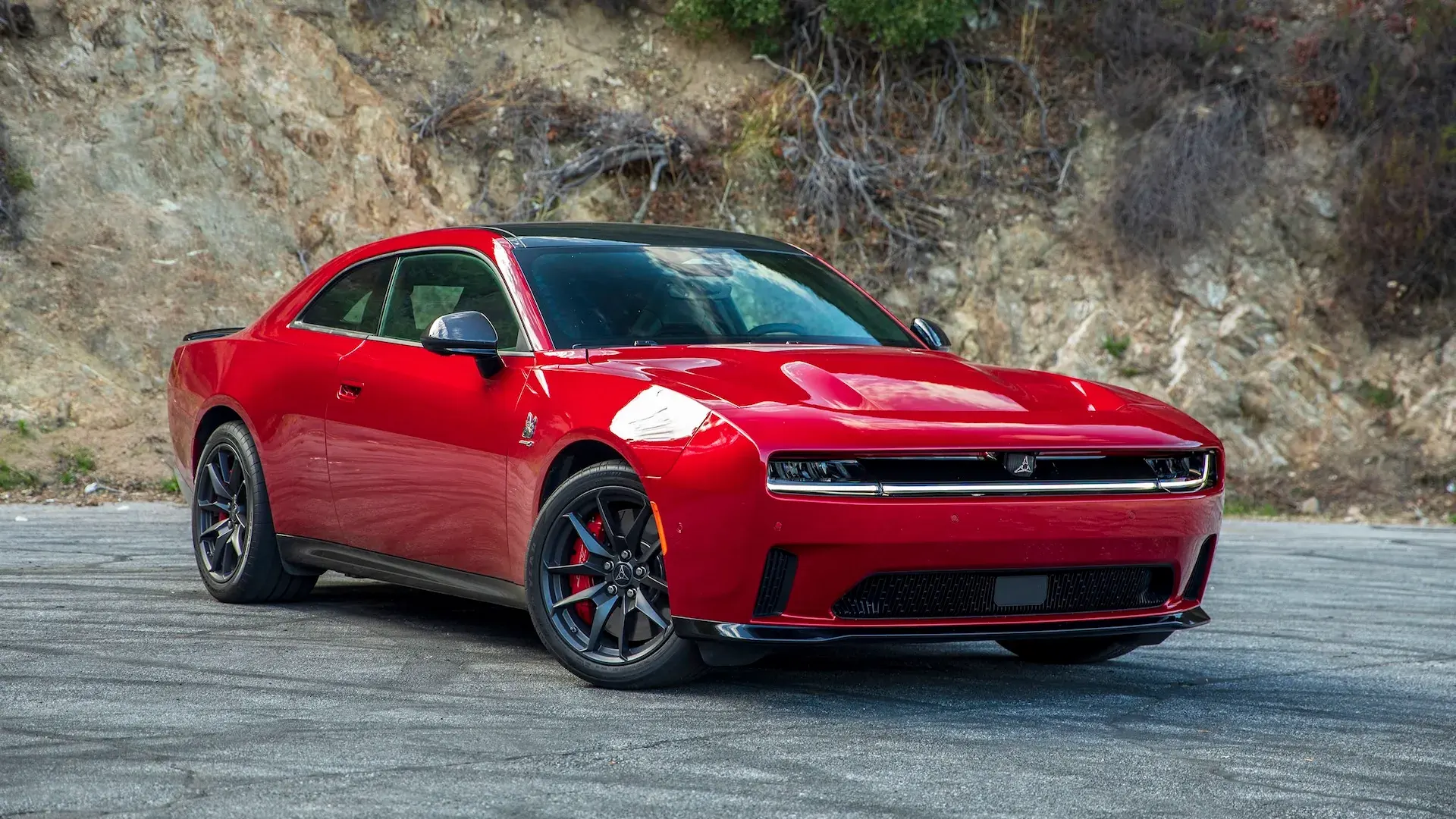
The clearest case is the Jeep Wagoneer S, which fell to just 175 units during the quarter, down 93 percent from the 2,595 delivered in the same period of 2025. That is a particularly heavy result for a model that was supposed to represent one of the most advanced points of Jeep’s electric renewal. A similar trend affected the electric Dodge Charger Daytona, whose registrations stopped at 240 units, down 88 percent from the 1,947 recorded a year earlier.
That result becomes even more meaningful when compared internally with the gasoline version of the same Charger. During the same quarter, the combustion-powered model reached 1,672 units, easily outperforming the battery-electric version and confirming how much more receptive the American public remains toward traditional powertrains than toward mid- to upper-range EVs.
These numbers do not erase the group’s broader improvement, but they do show that the EV path in the United States is proving more complicated than many automakers had expected. High prices, weaker-than-expected demand, and market preferences still strongly centered on pickups, gasoline SUVs, and large engines are making it hard for some EVs to gain traction in segments where American buyers continue to favor more familiar solutions. That trend is pushing several automakers to rethink both the scale and timing of their electric programs.
The most interesting part of Stellantis’ first quarter may be the contrast between the two dynamics shaping it. On one side, the group is growing again in the United States as a whole. On the other, several EVs are still struggling to find a real place in buyer preferences.
That situation could influence Stellantis’ next strategic decisions in North America, especially ahead of the Investor Day on May 21 in Auburn Hills, where Filosa will likely need to explain how the group plans to balance its commercial recovery, the search for stronger profitability, and the management of an energy transition that in the U.S. market is moving at a very different pace from what many originally expected.