Stellantis wants to turn its strong commercial position in South America into more profitable growth. Under its FaSTLAne 2030 strategic plan, the automaker targets 10% revenue growth in the region by the end of the decade, along with an adjusted operating income margin of 8% to 10%. The 10% target refers to revenue rather than vehicle sales, an important distinction when measuring the company’s ambitions.
Stellantis wants to turn South American dominance into higher profits

CEO Antonio Filosa knows the region well after previously leading Stellantis’ South American operations. The company already holds a strong starting position. During the first half of 2026, Stellantis registered approximately 480,000 vehicles across South America and captured a 20.3% market share.
Brazil continues to generate most of that volume. Stellantis sold more than 372,000 vehicles there during the first six months of the year, giving it a 27.3% share of the national market. Argentina also kept Stellantis in first place with a 27.5% share, while nearly 14,000 registrations in Chile secured second position.
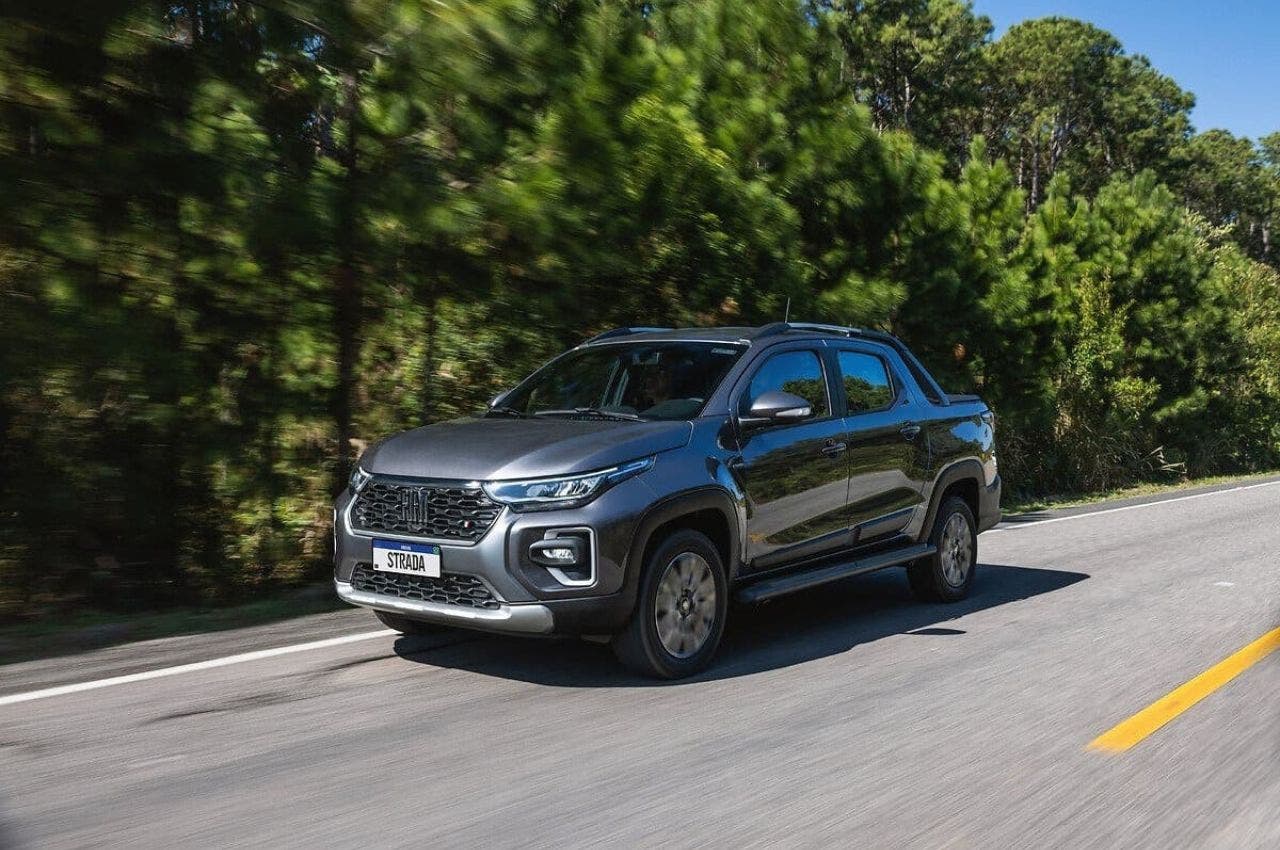
Fiat remains central to that regional strength. The brand registered more than 270,000 vehicles in Brazil during the first half, about 30,000 more than during the same period in 2025. The Strada continued as Brazil’s best-selling vehicle with more than 83,000 registrations, reinforcing the importance of pickups to Stellantis’ South American strategy.
Peugeot gives the group another strong position, particularly in Argentina, where the 208 ranked third overall during the first half. FaSTLAne 2030 also identifies Peugeot as one of Stellantis’ four global priority brands alongside Fiat, Jeep and Ram, meaning it will receive a significant share of future product and brand investment.
Citroën follows a different path and continues to target more accessible segments. Its recent results show growing momentum: Brazilian C3 sales rose about 15% from the first to the second quarter, while Basalt sales jumped 53%. Leapmotor adds another element to the strategy by strengthening Stellantis’ presence in electrified vehicles and bringing technology developed through its Chinese partnership into the region.
The first-half numbers show that Stellantis does not need to build South American market share from scratch. The challenge now lies in extracting more value from that position while protecting the volume and brand strength it already commands. FaSTLAne 2030 will ultimately succeed in the region only if higher revenue and stronger margins arrive without sacrificing that leadership.