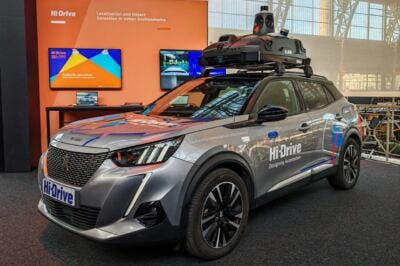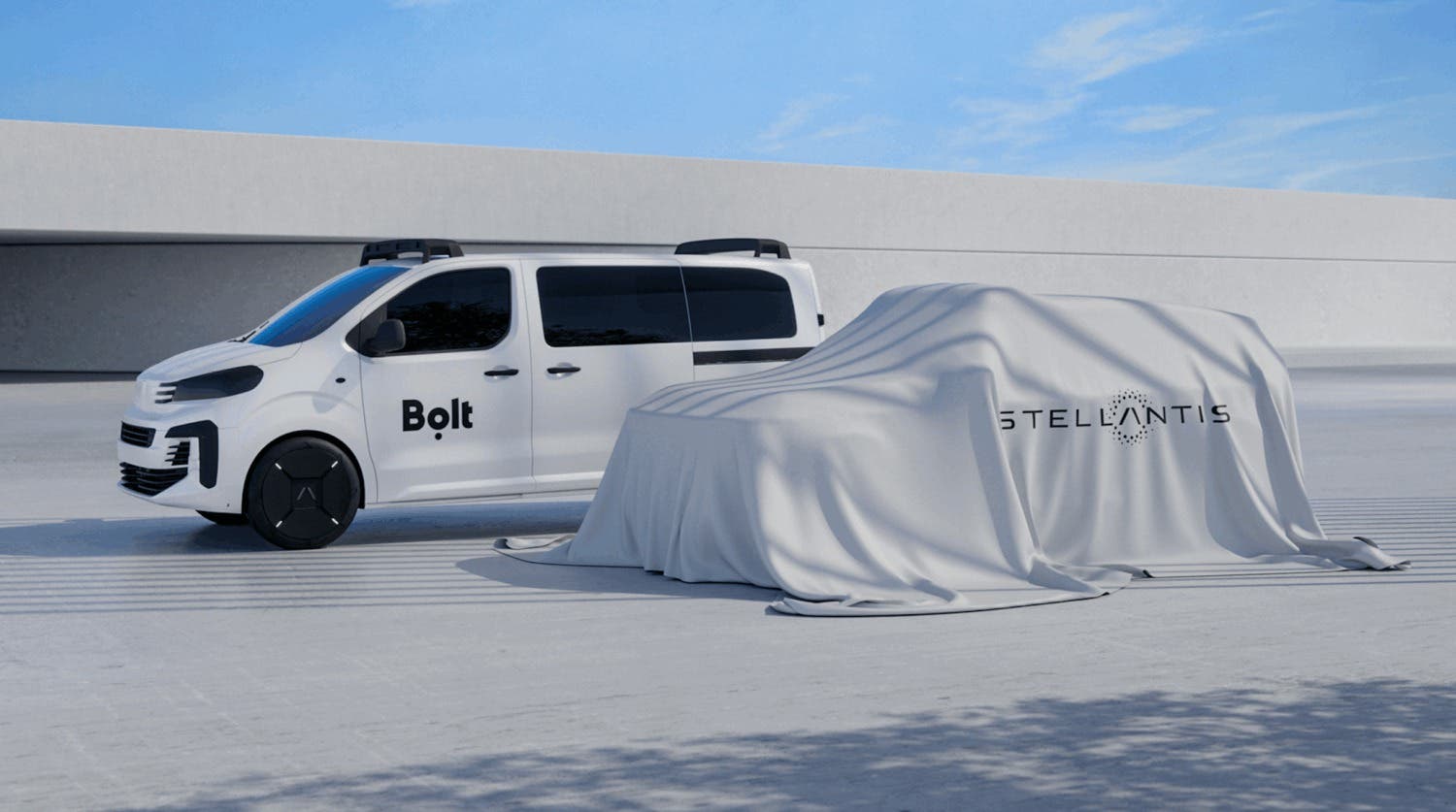
The future of urban mobility is starting to take shape, at least on paper, in the Netherlands and Estonia. Stellantis and Bolt have announced a partnership aimed at introducing Level 4 autonomous vehicles on a large scale within European ride-hailing fleets. These vehicles would operate without a driver. It is an ambitious project. However, it also brings to mind the many unfulfilled promises that have surrounded fully autonomous driving for years.
Stellantis and Bolt plan Level 4 autonomous fleets in Europe

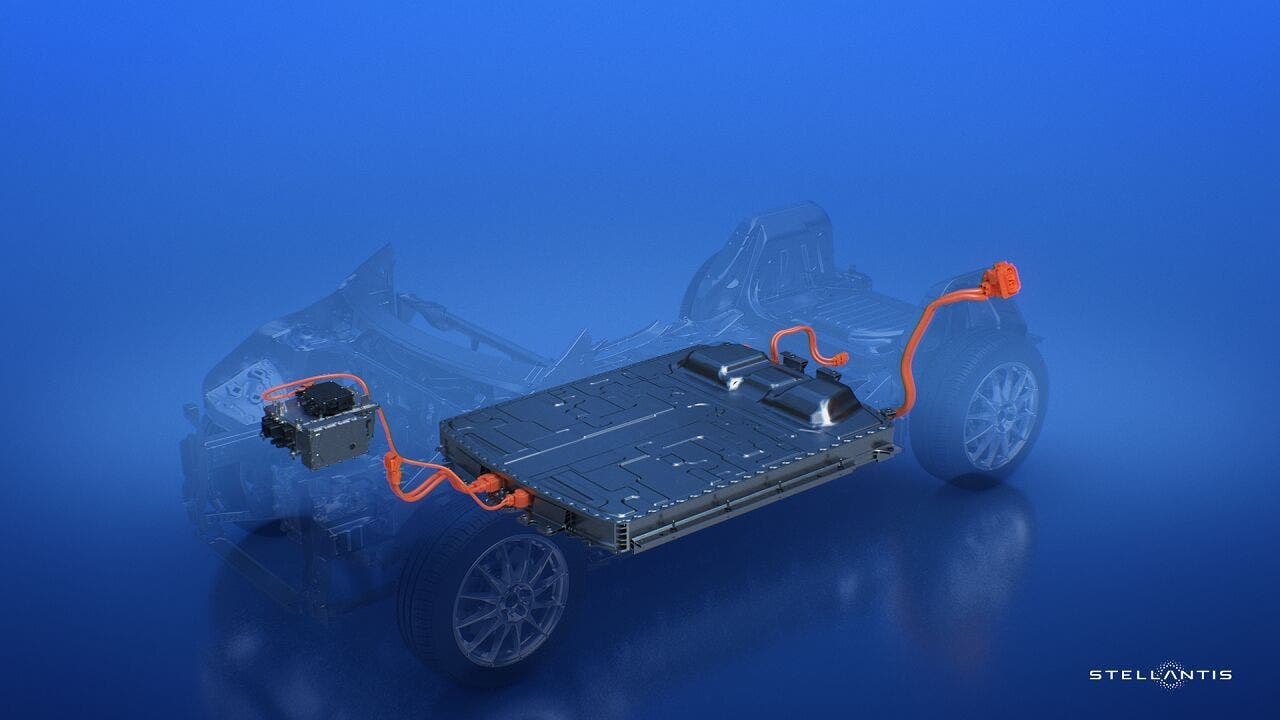
At the core of the initiative are Stellantis’ AV-ready platforms. These architectures are designed to integrate next-generation sensors, high-performance computing systems, and redundant safety solutions. Two separate technical bases are planned. Ek0 is intended for mid-size commercial vehicles, while STLA Small will serve compact models. Still, a key issue remains unresolved. These technologies must first prove their real effectiveness on European roads, which are often unpredictable and complex.
The automotive group claims it can offer one of the most competitive solutions in terms of total cost of ownership. For now, however, this statement is difficult to verify. The official announcement includes neither in-depth technical details nor precise financial figures. As a result, major questions remain open about development costs and the management of liability in the event of accidents.
The roadmap itself also raises several doubts. The first tests are scheduled for 2026. Series production is planned for 2029 and the final goal is to reach 100,000 vehicles by 2035. This timeline appears highly optimistic, especially in light of the many delays the entire sector has already experienced in this field. It is worth recalling that as early as 2016, Elon Musk promised fully autonomous Teslas within a year. Today, many years later, that goal is still far from being achieved, partly due to regulatory constraints.

Stellantis and Bolt say they intend to comply with the strictest European standards and to work closely with local authorities. This is a reasonable objective. However, it may clash with a regulatory framework that is still fragmented and evolving. Each European country is moving at its own pace and under its own set of rules. This creates a legislative patchwork that could significantly slow down the implementation of the project.
In theory, the promoters of the initiative argue that the spread of autonomous vehicles will help reduce traffic and CO2 emissions through shared and more efficient mobility. It is an appealing message. Still, it should be approached with caution. Several studies suggest that such solutions could encourage urban sprawl and increase empty vehicle mileage. As a result, the expected environmental benefits might be partly offset.