

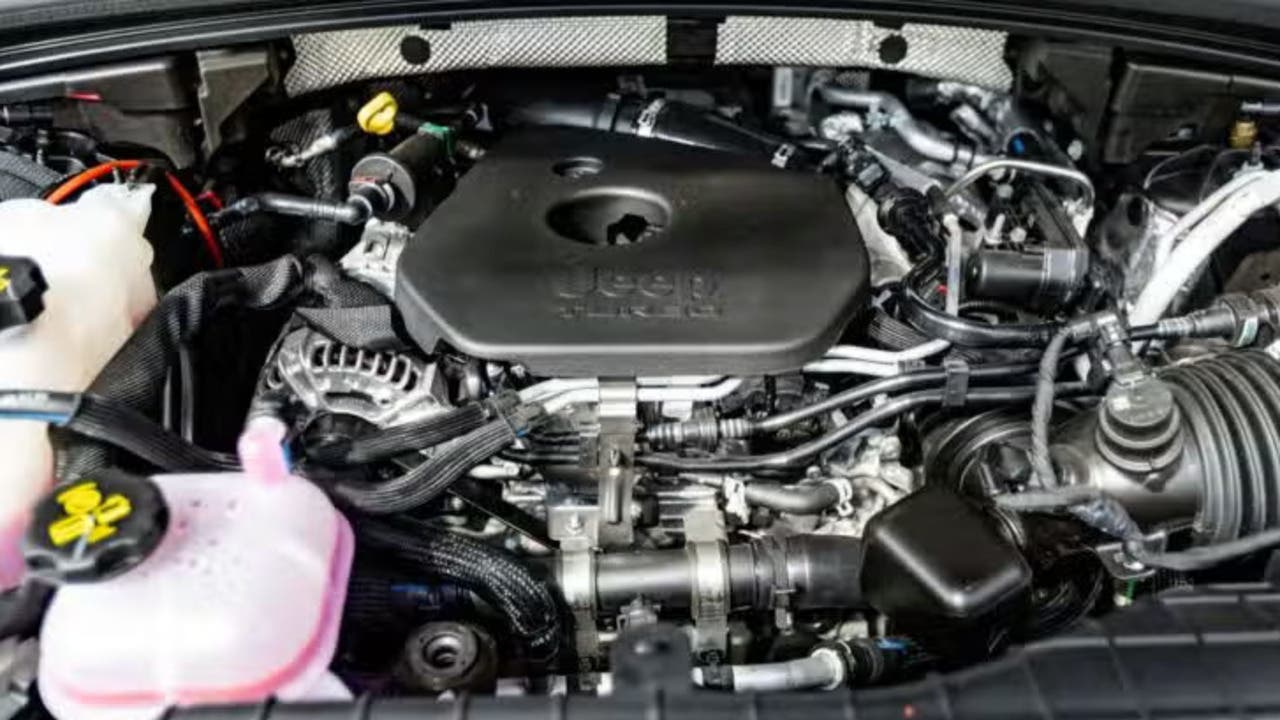
When RAM decided to decapitate its legendary 5.7-liter naturally aspirated HEMI V8 and replace it with the 3.0-liter twin-turbo Hurricane inline-six, the collective gasp from American truck purists could be heard from Detroit to the deep South. For decades, the V8 wasn’t just an engine; it was a secular religion, a heavy-metal symphony of raw, inefficient American pride. Yet, Stellantis insists this automotive sacrilege wasn’t just a panicked concession to eco-emissions guidelines.
According to Alan Falowski, a senior engineer who helped birth both engines, the Hurricane wasn’t designed to appease tree-huggers. It was built to deliver a swift kick to the HEMI’s legacy. The cold, hard numbers simply do not care about nostalgic exhaust notes.
The old V8 wheezed out 395 HP and 410 lb-ft of torque, whereas the standard Hurricane pushes a beefy 420 HP and 469 lb-ft. If you opt for the High Output variant, you’re looking at a staggering 540 HP and 521 lb-ft of torque. It’s the difference between a leisurely 7.8-second lumbering stroll to 60 mph in the old truck and a neck-snapping 4.6-second sprint in the High Output RAM 1500.
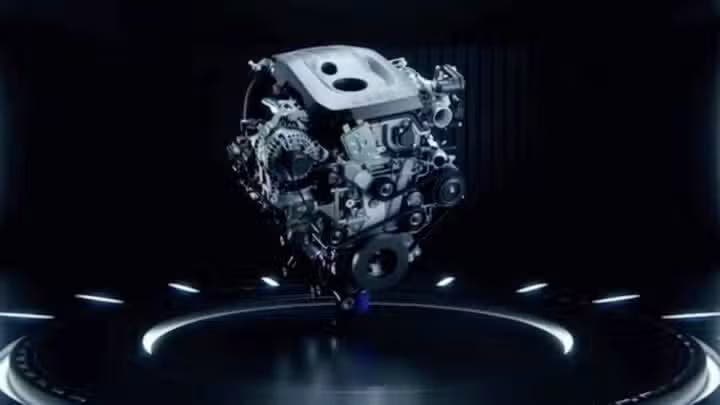
By choosing an inline-six configuration, Stellantis opted for natural physics over brute, shaking force. The block is naturally balanced, meaning no complex balance shafts are needed to keep your morning coffee from spilling in a high-end trim.
What about durability? The internet is already overflowing with tears from backyard mechanics terrified of twin turbos. Falowski laughs this off, pointing out that this block was engineered from day one to eat high boost and scorching temperatures for breakfast. It even features a post-shutdown electric pump that keeps coolant circulating so your oil doesn’t cook itself into black coal inside the turbos. They even tilted the engine on high-g rigs during testing to ensure oil reaches every corner during wild maneuvers.
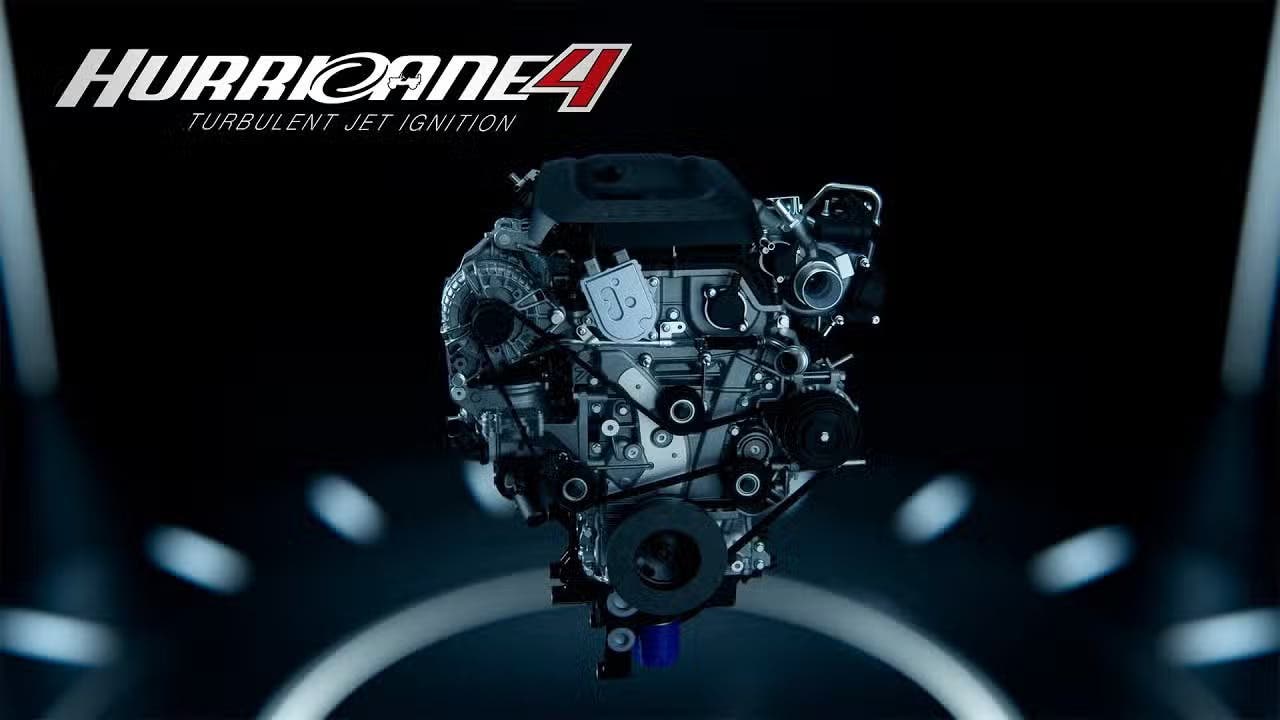
For maintenance, yes, you’ll need premium 0W-20 or 0W-40 synthetic oil. And please, stop changing it every 5,000 miles out of stubborn boomer habit. The truck’s electronic brain monitors real-world abuse and will tell you when it’s actual lunch hour. And say goodbye to the traditional oil dipstick, your high-tech dash screen handles that now.
Granted, RAM quietly snuck the V8 back into the 2026 lineup to soothe broken hearts, but make no mistake: the HEMI is a nostalgia trip. The Hurricane is the future, and it’s blowing the doors off tradition.