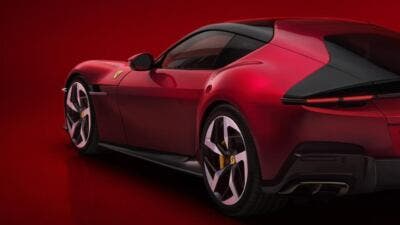
Maranello’s financial wizards have once again proven that purist outrage is no match for ultra-wealthy checkbooks. According to Ferrari’s Q2 2026 financial report, global shipments actually slipped 3.7% year-over-year to 3,366 units. Yet, operating profit (EBIT) surged 9.5% to €605 million (roughly $697 million). Moving fewer cars while printing significantly more money is a classic Maranello trick, fueled by a lucrative product mix and an insatiable customer appetite for high-margin personalizations like custom paint jobs and bespoke interior trim.
Demand remains so relentless that Ferrari’s order book is completely filled through all of 2027, leaving new buyers playing a waiting game until 2028. The EMEA region continues to do the heavy lifting, accounting for 55% of Q2 2026 deliveries. The Americas followed with 23%, Asia-Pacific took 16%, while Mainland China, Hong Kong, and Taiwan made up the remaining 6%.
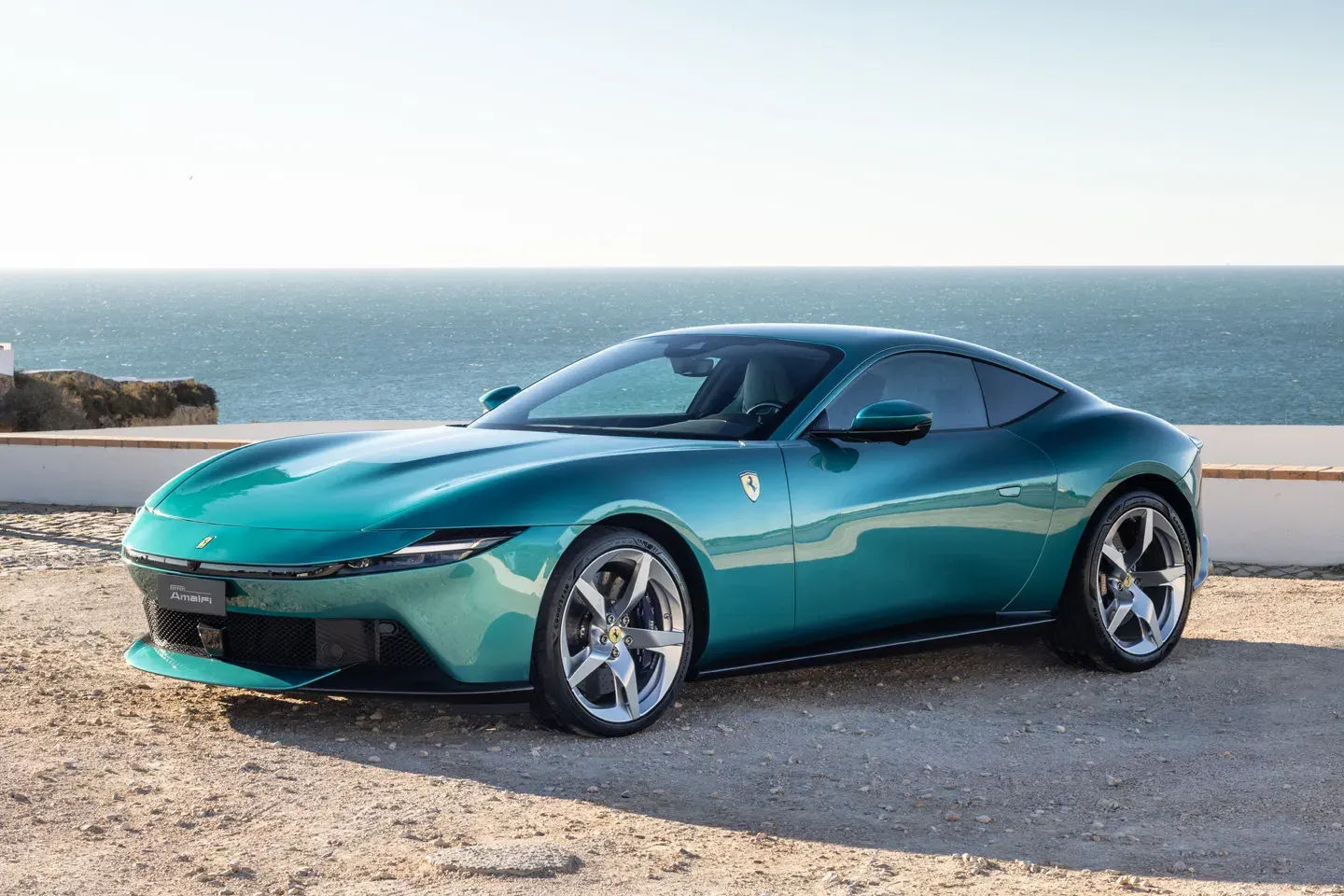
Maranello is sunsetting older iterations, including the 296 GTS, Roma Spider, SF90 XX, and SF90 XX Spider. In their place step new heavyweights: the Amalfi, 296 Speciale, 296 Speciale A, and the 849 Testarossa, a plug-in-hybrid monster serving as the official successor to the SF90 Stradale.
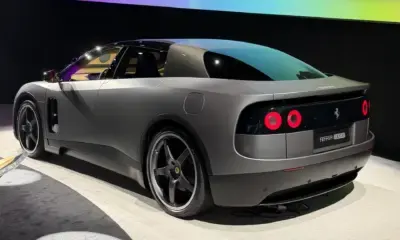
Even polarized responses couldn’t stop the cash flow. When the all-electric Luce debuted in May 2026, purists lambasted its radical design, yet it met its entire 2026 sales quota within two short months.
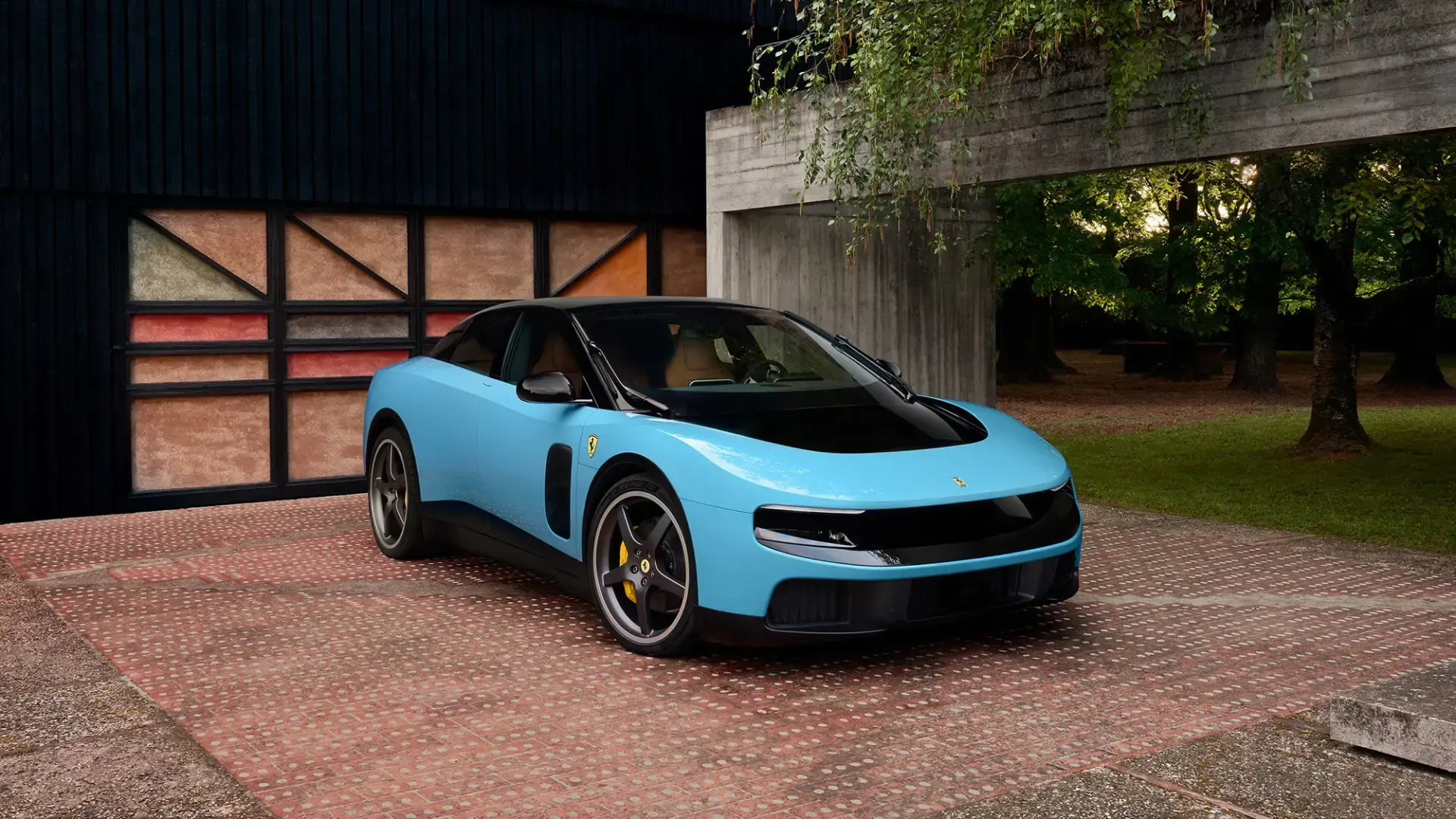
Ferrari plans to unveil five new models this year alone, having already revealed the Amalfi Spider, the Luce, and the 12Cilindri Manuale, which cheekily caters to nostalgia using a gated 6-speed manual-by-wire shifter.
Beyond the immediate hype, Maranello is quietly adjusting its long-term sights. By 2030, Ferrari now targets a balanced lineup of 40% combustion engines, 40% hybrids, and 20% EVs, reversing an earlier EV-heavy target. It’s a sensible pivot mirroring Lamborghini’s decision to swap its planned EV for a PHEV grand tourer.