

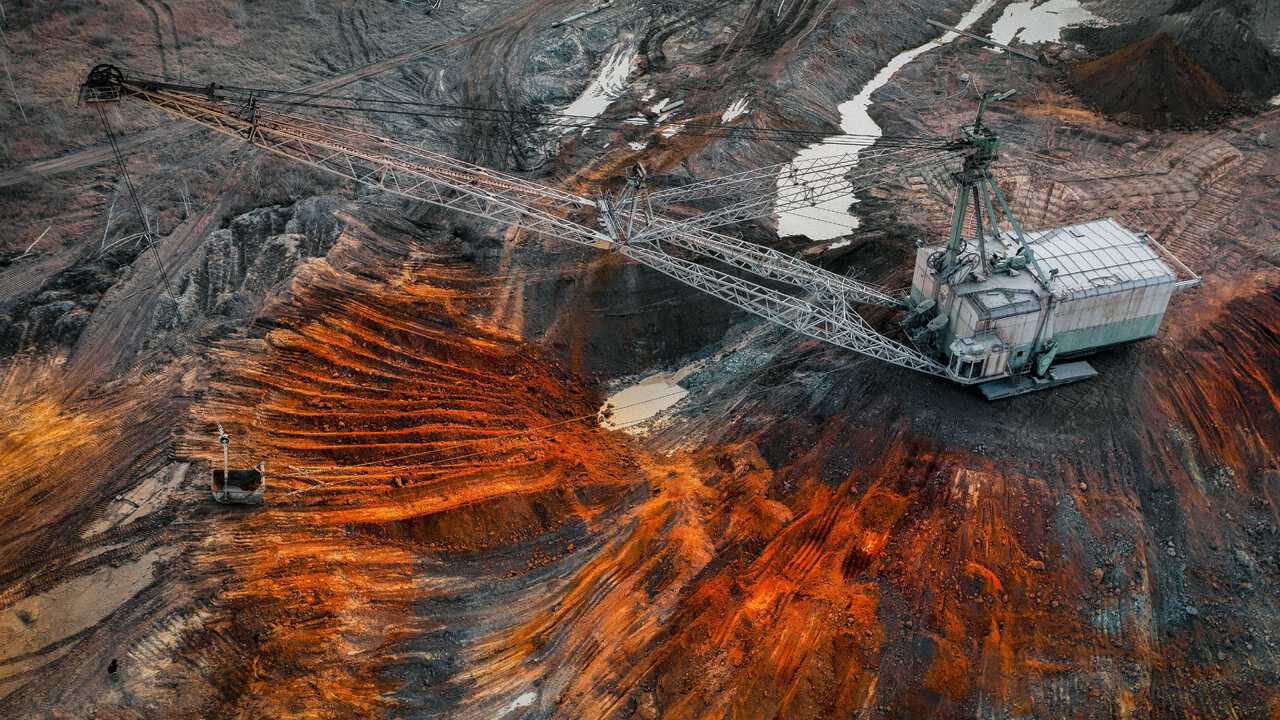
The latest dispatch from the White House regarding the Beijing Summit reads like a desperate attempt to put a fresh coat of paint on a totaled chassis. Sunday’s briefing suggests that China will “address” US concerns over the rare earth mineral famine. But the export restrictions that have been choking American aerospace and semiconductor production since April 2025 aren’t going anywhere.
This whole mess started as a retaliatory strike against President Trump’s “Liberation Day” tariffs. Since then, Beijing has held the keys to the kingdom, specifically the minerals that make modern life possible. Last October, at the Busan Summit, the White House claimed China pledged to “effectively eliminate” these controls. Fast forward six months, and the tone has shifted from “mission accomplished” to a “tacit recognition” that the regime is here to stay.
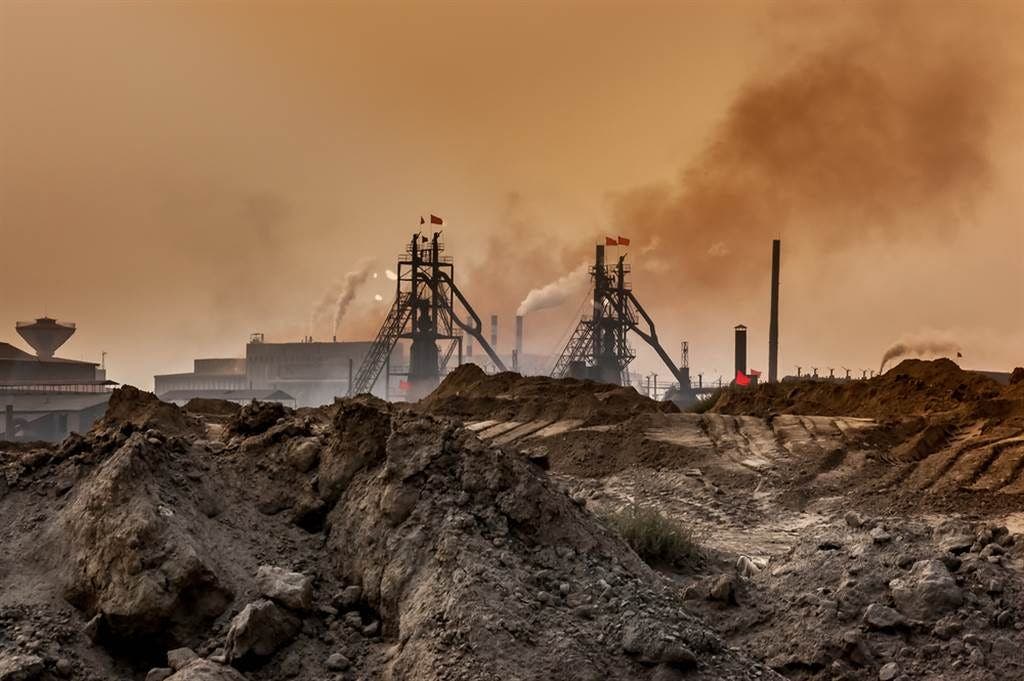
While the Chinese Ministry of Commerce keeps a disciplined, stony silence, the US is scavenging for Yttrium, Scandium, and Indium like a mechanic looking for a 10mm socket in a dark garage.
Yttrium is the thermal coating that keeps jet engines from melting; Scandium is the secret sauce for high-end chips. Without them, the American industrial machine is basically a car without oil. And then there’s Indium. This is the stuff that fuels the next generation of photonic chips. Companies like Coherent, which controls 40% of the market, are staring down a 77% drop in Chinese exports to the US.
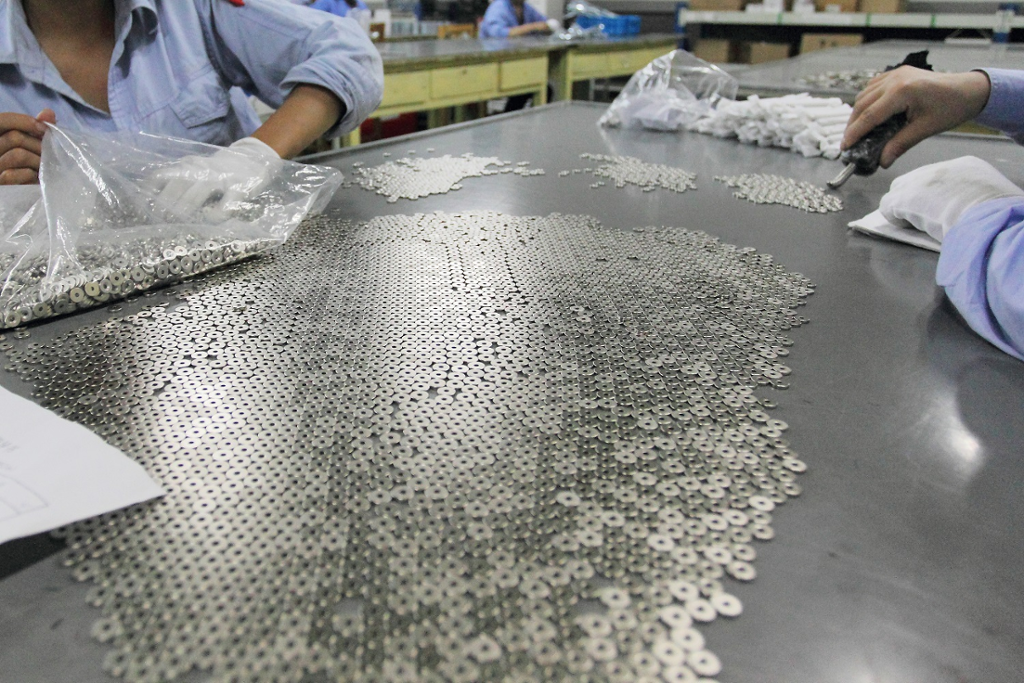
While Beijing allows just enough minerals to flow to keep consumer electronics and the automotive sector on life support, anything “sensitive” or military-adjacent gets tied up in a bureaucratic nightmare. If these license delays continue, the cost of AI expansion will skyrocket, leaving the West to wonder how we let our entire technological future be dictated by a list of “critical minerals” we forgot to secure. It’s not just a supply chain issue, it’s a masterclass in geopolitical leverage.