There’s a quiet crisis unfolding in the auto industry, and it has nothing to do with range anxiety, tariffs, or the slow-motion collapse of the EV transition timeline. It’s something more fundamental: cars are starting to feel like appliances. And Ralph Gilles, Chief Design Officer at Stellantis, would very much like that to stop.
In a recent interview, Gilles put it plainly. A growing portion of the automotive world is drifting toward commodity territory, where vehicles are judged primarily by price, payload, and the number of screens jammed into the dashboard. His job, as he described it, is to make sure that doesn’t happen. All fourteen brands of it.
Alfa Romeo, Maserati, Dodge, Jeep, and everything in between. Each with its own identity, its own audience, its own regional quirks. Gilles described every market as presenting a different challenge. Keeping a Maserati and a RAM pickup from feeling like they were designed by the same algorithm is, in fact, a full-time job.
His diagnosis of the problem is sharp. Modern automotive design, he suggested, has become something of a snowball. Rolling downhill, accumulating technology, safety systems, regulatory requirements, and features until the original shape of the thing is completely buried. His prescription: strip it back, cut the noise, and let the form speak again.
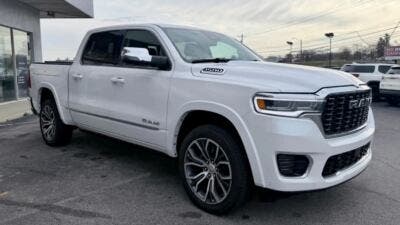
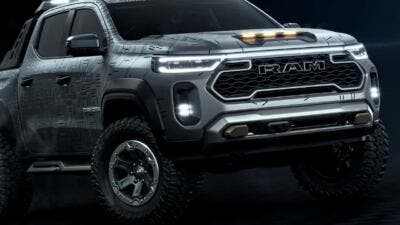
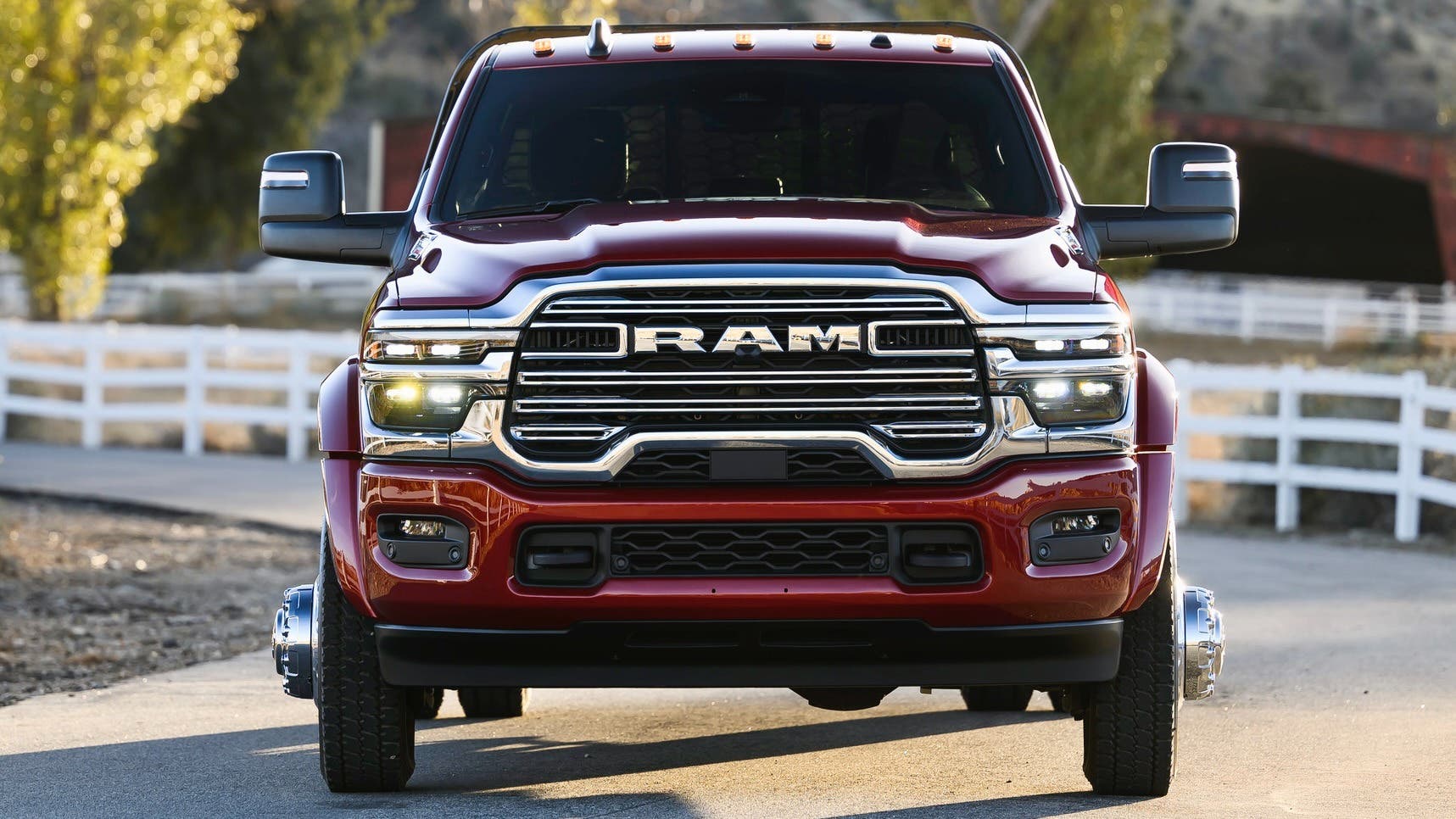
Nowhere is this battle more visible than with RAM. Unlike Alfa Romeo, which can lean on decades of emotional heritage and Italian drama, RAM operates in the brutally competitive full-size truck segment. Oversized grilles. Vertical proportions. Aggressive stance. Gilles has quietly wondered aloud whether buyers actually want trucks to look this way, or whether they’ve simply never been offered a serious alternative.
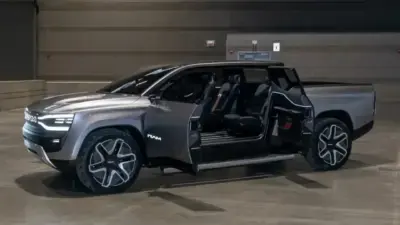
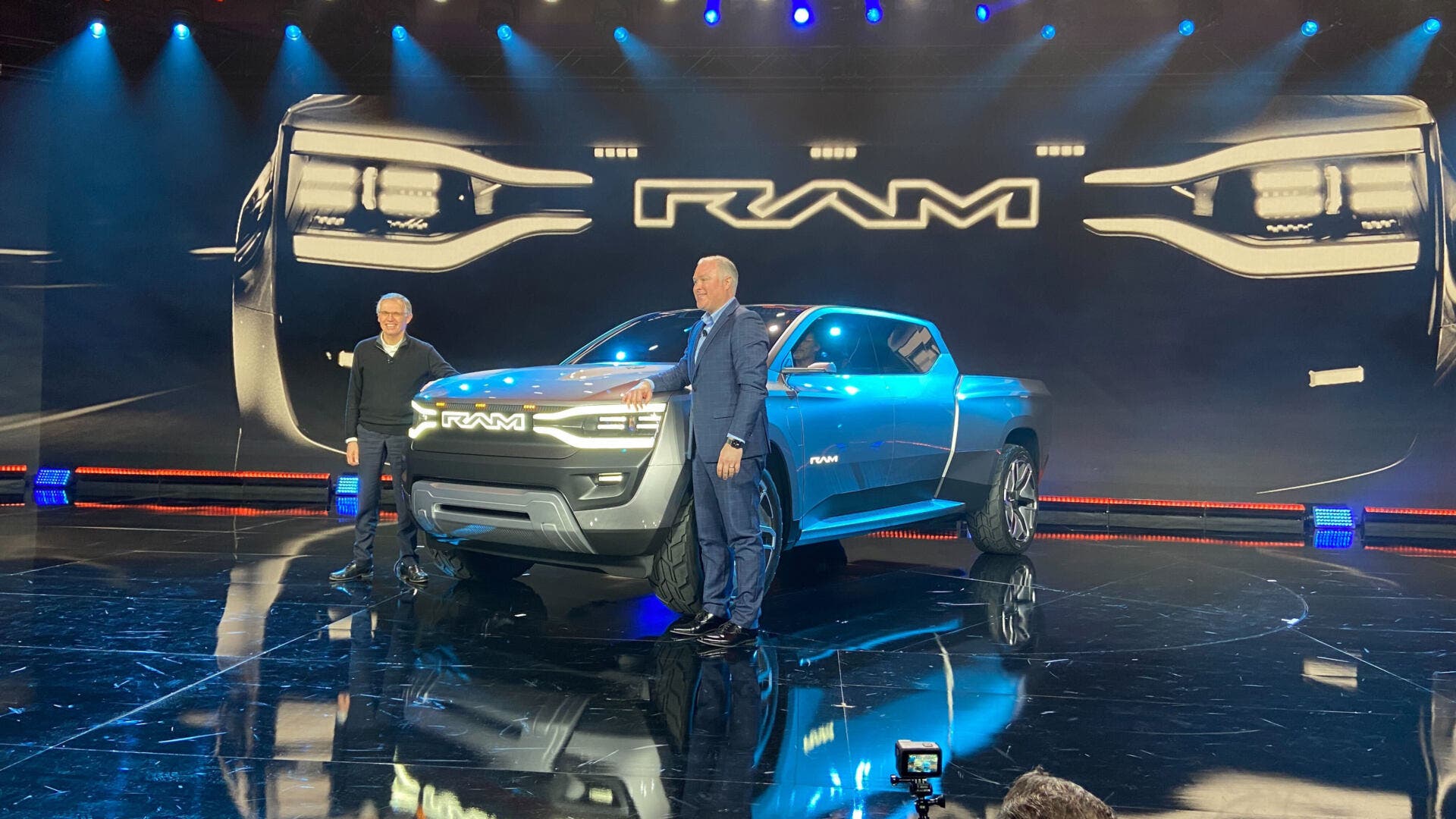
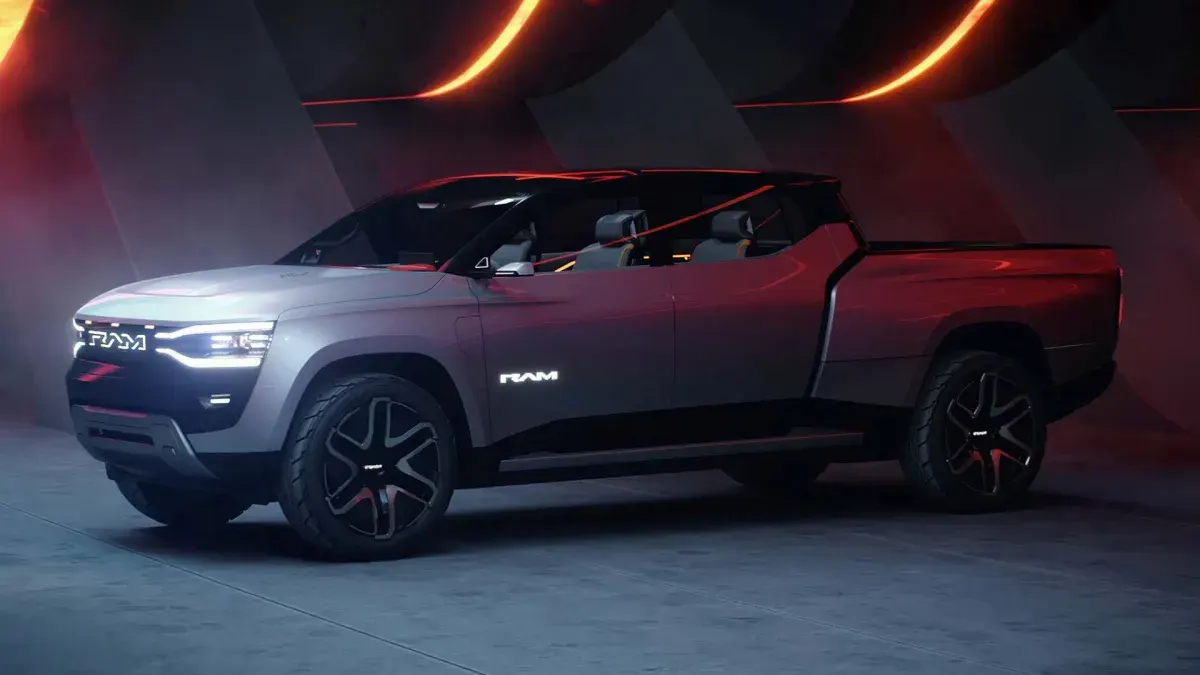
The next RAM 1500 may be where that question gets answered. Gilles hinted that the forthcoming pickup won’t be a modest refresh of what already exists. It will push in a more forward-looking direction. The RAM 1500 Revolution concept, which Gilles helped shape, already pointed toward cleaner surfaces and a less conventional interpretation of what a big truck can look like.
What’s clear is that Gilles is making a broader argument. In a market increasingly defined by efficiency mandates, software updates, and feature checklists, design remains the one variable that can still generate genuine desire.