

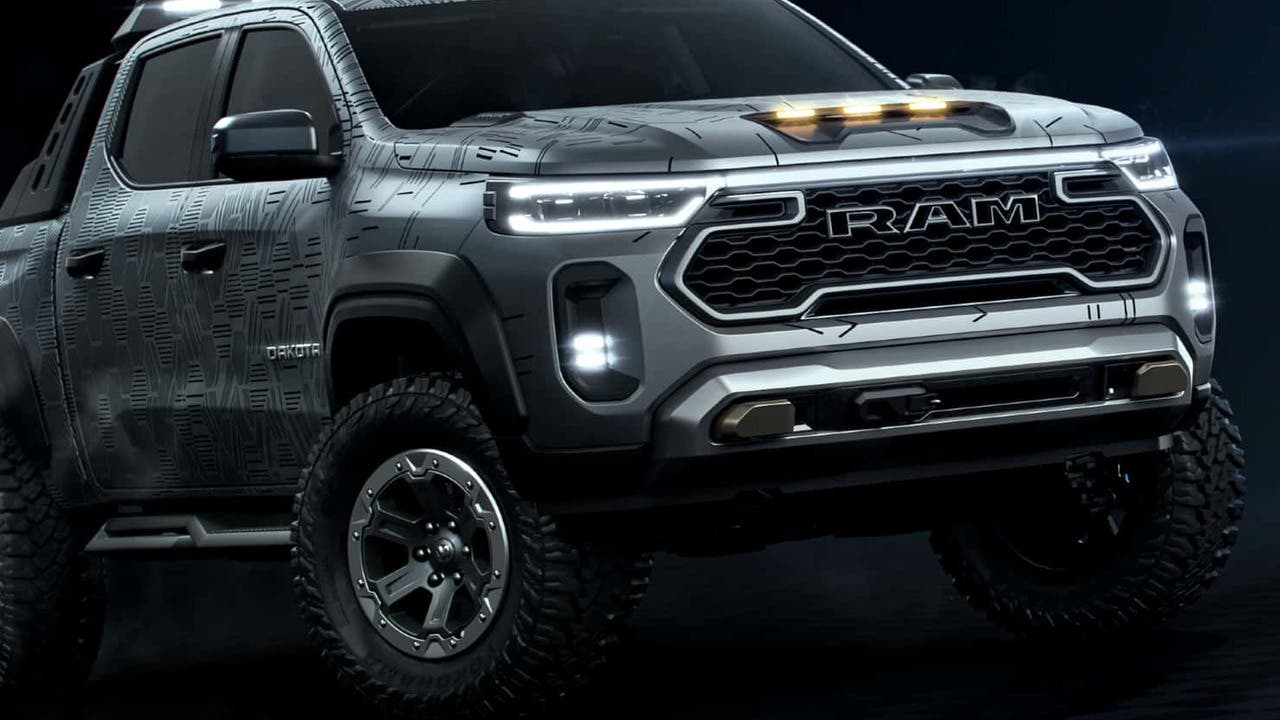
Ram wants you to believe the Dakota will be the answer to Ford Ranger, Toyota Tacoma, and Chevrolet Colorado when it arrives in 2028. Set to mark the brand’s triumphant return to mid-size pickups after a 17-year absence, the Dakota promises to channel the magic that made the 1500 a sales juggernaut. One small problem: CEO Tim Kuniskis sounds like he’s winging it.
Kuniskis explained that the Dakota must be a “credible truck”, presumably because selling non-credible trucks hasn’t worked out historically. “It needs real capabilities, just a little smaller and a little more accessible”, he said.
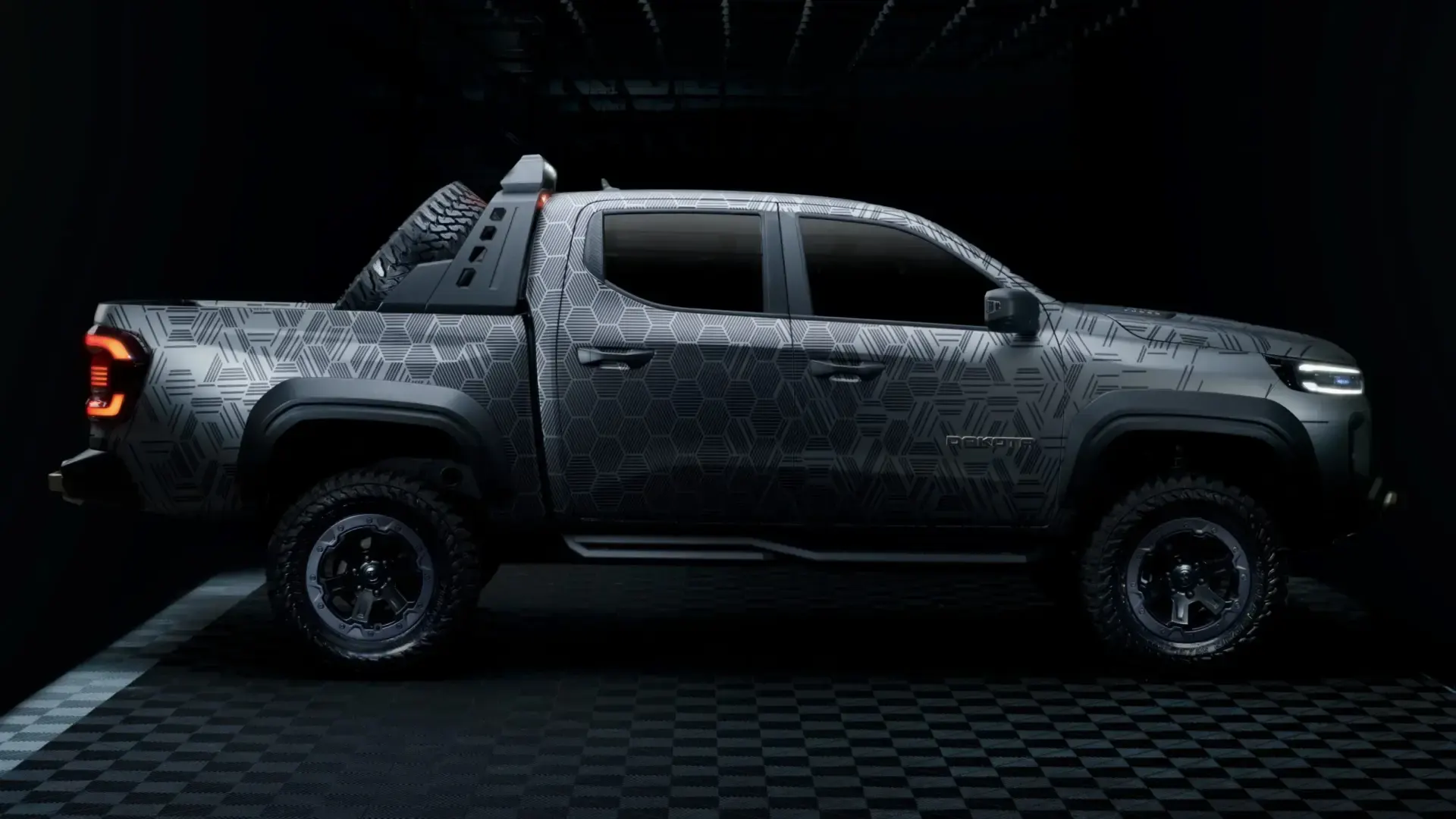
Under the hood, expect a four-cylinder or V6. Maybe a hybrid. Kuniskis hedged magnificently on this front, noting that hybrids are “becoming a really important stake in the ground” while simultaneously admitting he hasn’t decided if the Dakota actually needs one. “To be determined, we’ll see,” he shrugged, which is exactly the kind of strategic clarity you want from automotive leadership.
What’s almost certain is the absence of a V8, a move that protects 1500 sales and ensures the Dakota won’t accidentally become too desirable. Kuniskis waved off the possibility with a fascinating argument. Mid-size trucks today are basically the same size as full-size trucks from 15 years ago, so why would anyone need a V8? It’s the automotive equivalent of saying nobody needs dessert because portions have gotten bigger.
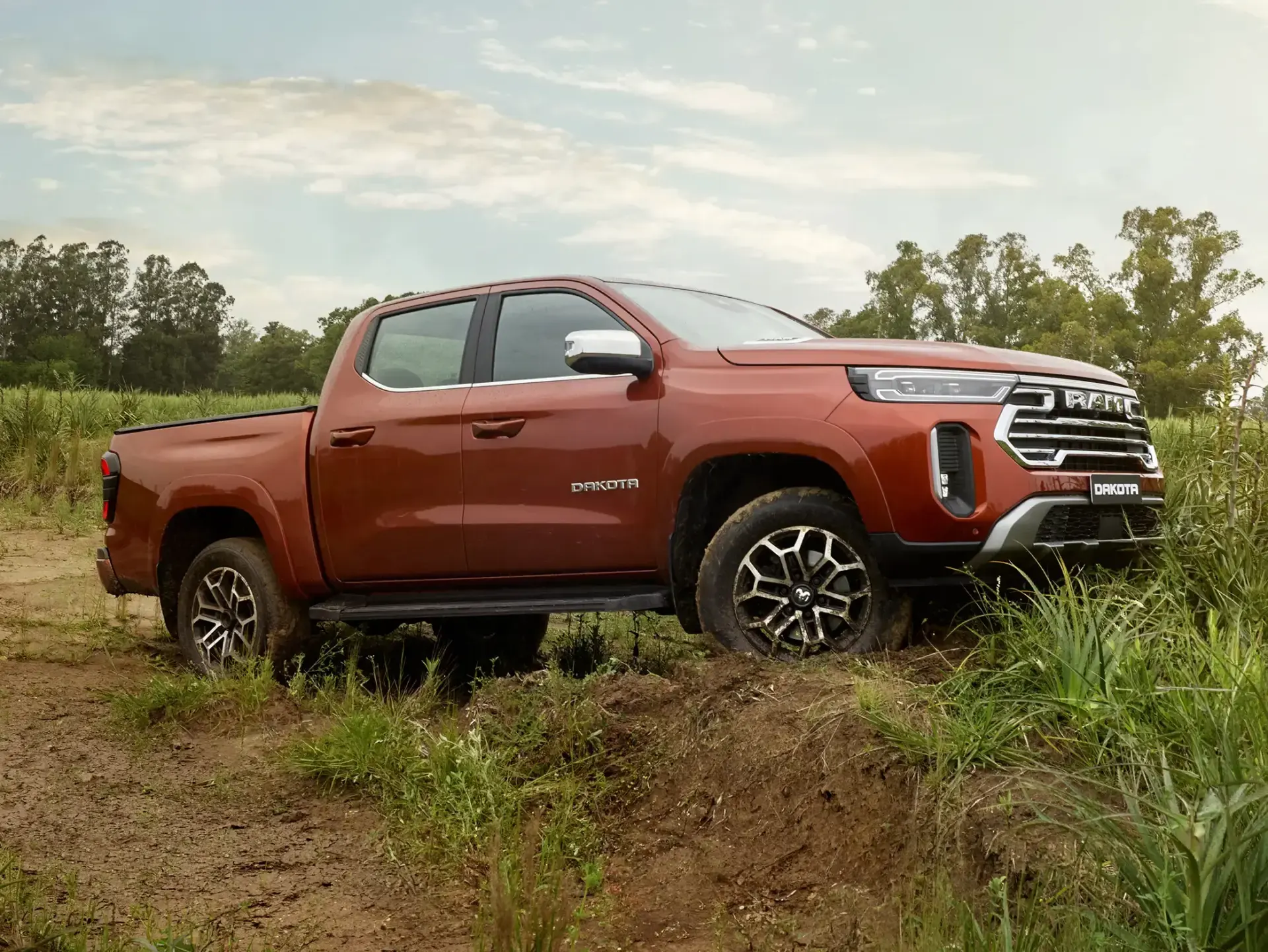
The Dakota will likely share a body-on-frame platform with the Jeep Wrangler and Gladiator, built in Toledo, Ohio. Engine options could mirror the Gladiator’s lineup, a 2.0-liter turbo four, a 3.6-liter V6, and maybe that 3.0-liter turbodiesel Ram already axed in 2023 due to lackluster demand.
For markets like Australia, where right-hand-drive matters, Ram might finally build factory-spec RHD models instead of converting them post-production like some elaborate automotive science experiment. The Dakota returns. Eventually. With something under the hood.