

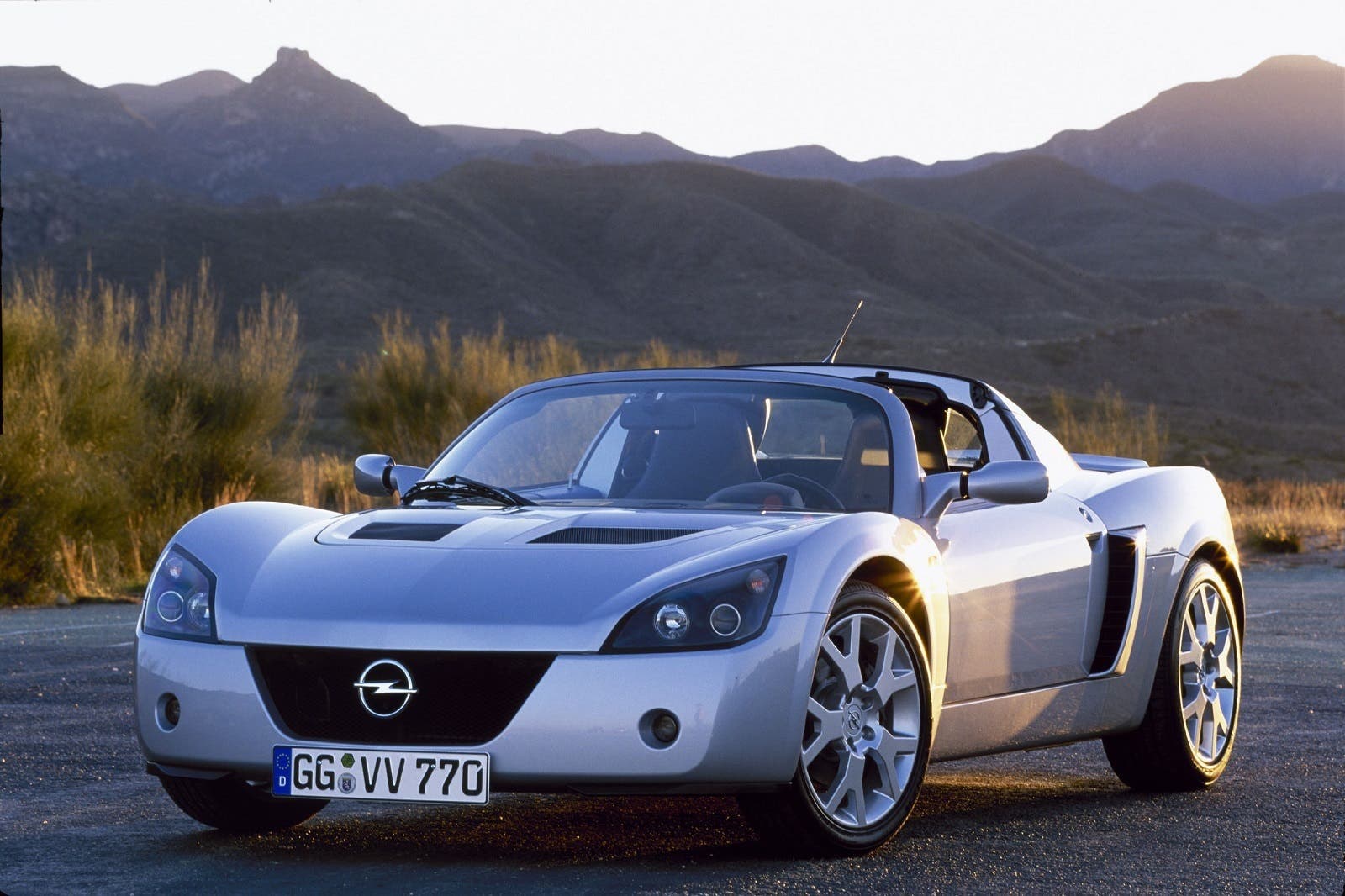
Opel entrusted production of the Speedster to Lotus’ Hethel plant, where the British company built the mid-engine, rear-wheel-drive two-seater that brought an unusually focused sports-car philosophy to Opel’s lineup in the early 2000s. Its technical relationship with the Lotus Elise S2 helped keep weight low and placed handling ahead of comfort, while limited equipment gave drivers a more direct connection with the steering, chassis and road surface.
Opel Speedster: the forgotten mid-engine sports car built by Lotus
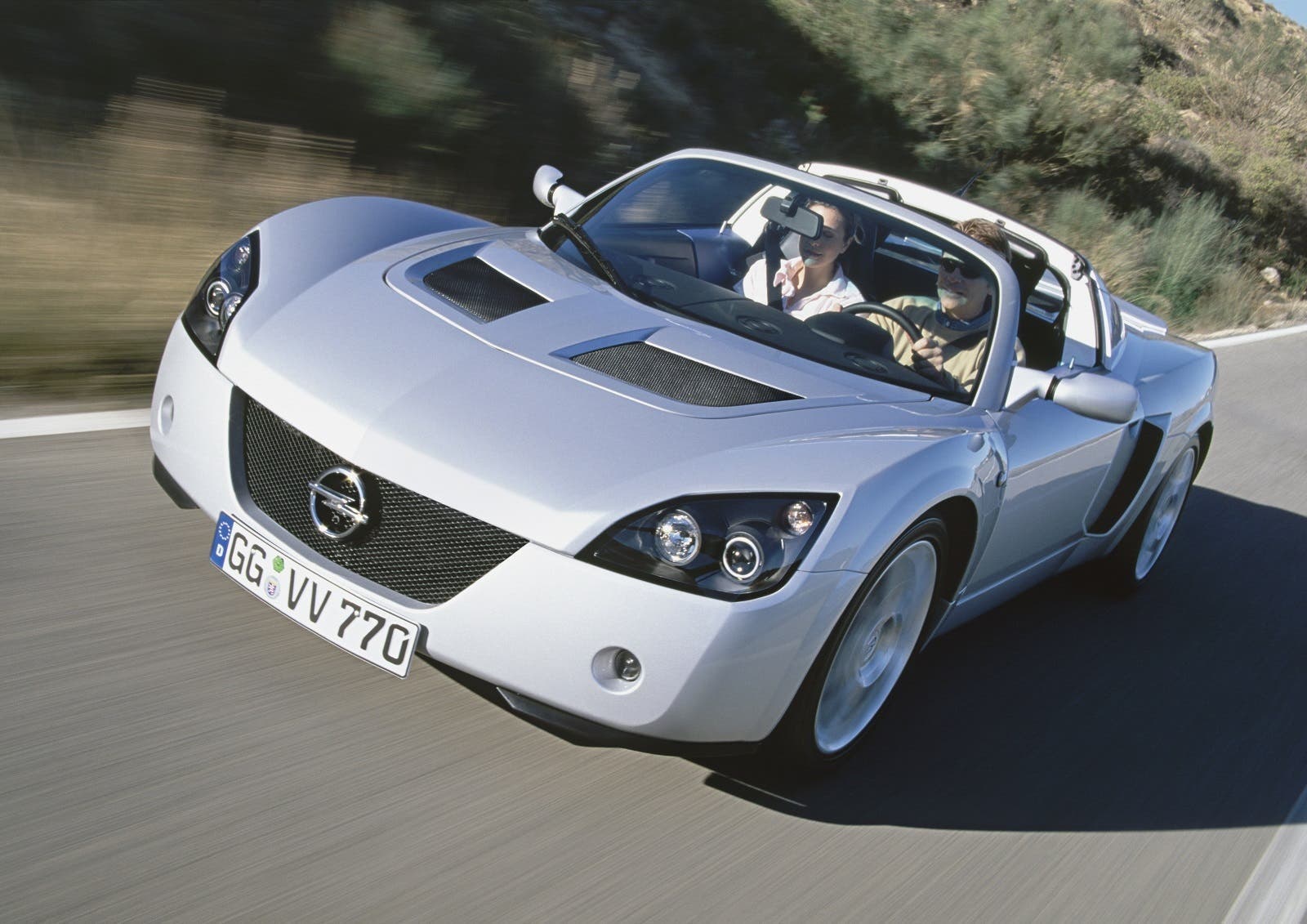
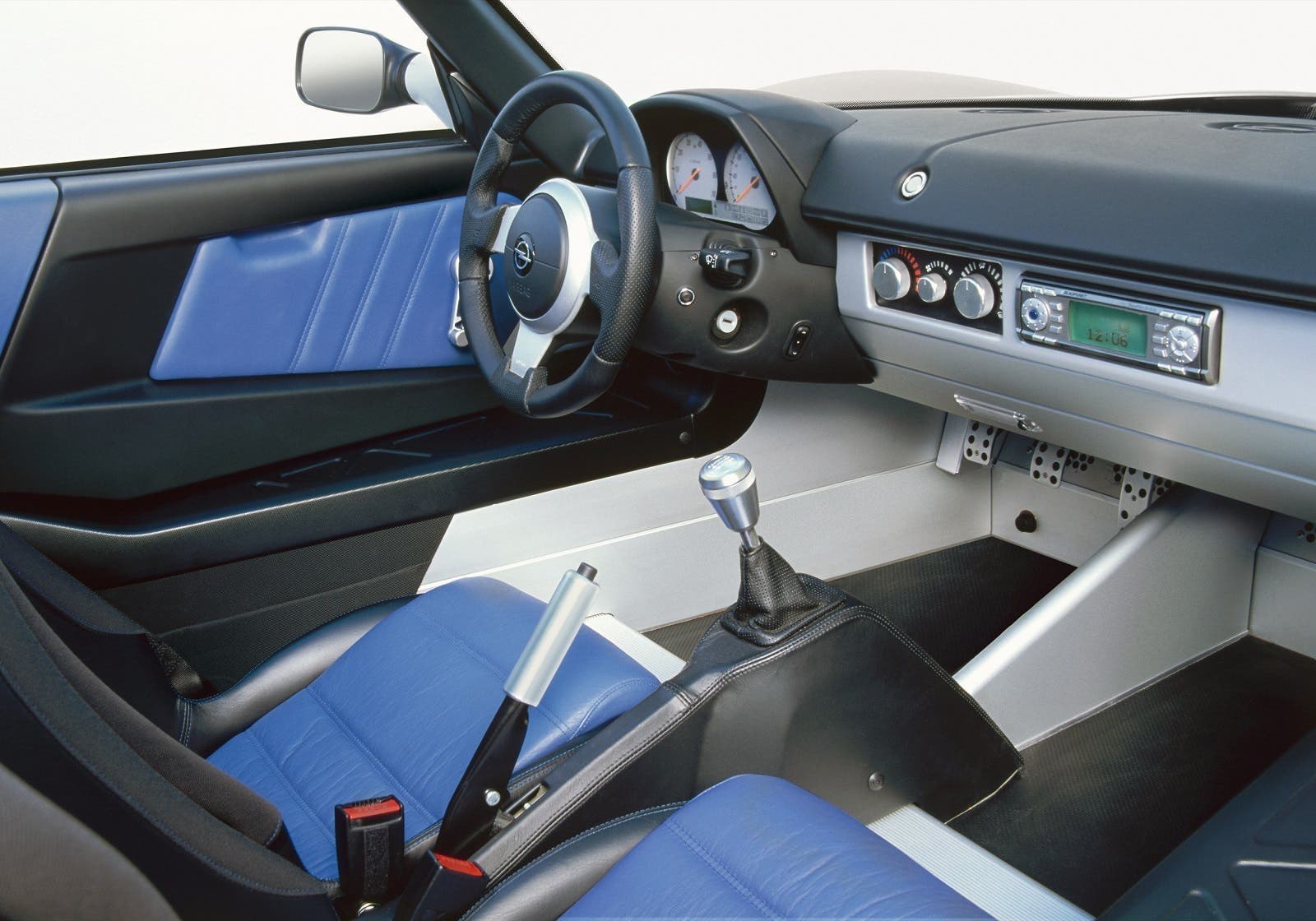
The Speedster looked clearly different from the Lotus thanks to a sharper, more aggressive design that gave it its own identity rather than relying on minor cosmetic changes. The cabin retained exposed aluminum and positioned the seats extremely close to the ground. Getting in and out required some effort, but the layout created a very low driving position.
Opel also left out power steering. That decision made low-speed maneuvers heavier but allowed the steering to communicate more clearly as speeds increased, perfectly matching a car designed around direct controls and driver feedback.
A naturally aspirated 2.2-liter Ecotec four-cylinder initially produced 147 hp, enough to deliver strong performance in such a lightweight car while emphasizing its agility on winding roads. In 2003, the Speedster Turbo raised output to 200 hp and 184 lb-ft of torque through turbocharging and cut the 0-62 mph time to 4.9 seconds.
The additional torque made acceleration significantly stronger and allowed the compact Opel to challenge much more expensive sports cars while preserving the same lightweight, minimalist architecture.
Opel later explored a very different side of the concept with the Eco Speedster prototype. A 1.3-liter CDTI diesel engine producing 112 hp worked together with extremely low weight and optimized aerodynamics to combine speed with exceptional fuel efficiency.
At the Dudenhofen test track, the prototype reached 155 mph (250 km/h), recorded claimed fuel consumption of just 2.5 liters per 100 kilometers, and set 17 world records. Opel used the project to demonstrate how low mass and efficient aerodynamics could reduce fuel consumption without sacrificing high-speed capability.
The Speedster’s short production run and limited sales reflected the compromises demanded by a car far removed from what most Opel customers expected. Opel traded comfort, cabin space and easy access for sharper steering, lower weight and a more responsive chassis.
Those same compromises now contribute to the Speedster’s appeal. It represents an era when a sports car could rely on simplicity, lightness and direct controls instead of numerous electronic systems. Its Lotus connection, distinctive styling and more powerful Turbo version also gave the Speedster enough character to avoid becoming remembered as little more than a rebadged Elise.