The demise of the $7,500 federal EV tax credit from the Inflation Reduction Act (IRA) sent tremors through the US electric vehicle market, leading to widespread doom-and-gloom headlines. Yet, Hyundai maintains its electrification strategy, which already spans HEV, PHEV, and BEV models, and will soon include Extended-Range Electric Vehicles (EREV), was never dependent on government whims.
As Olabisi Boyle, Senior VP of Product Planning for Hyundai Motor North America, candidly stated: “Our EV strategy was never based on current politics… We were building an EV plant and had the E-GMP platform before the IRA”.
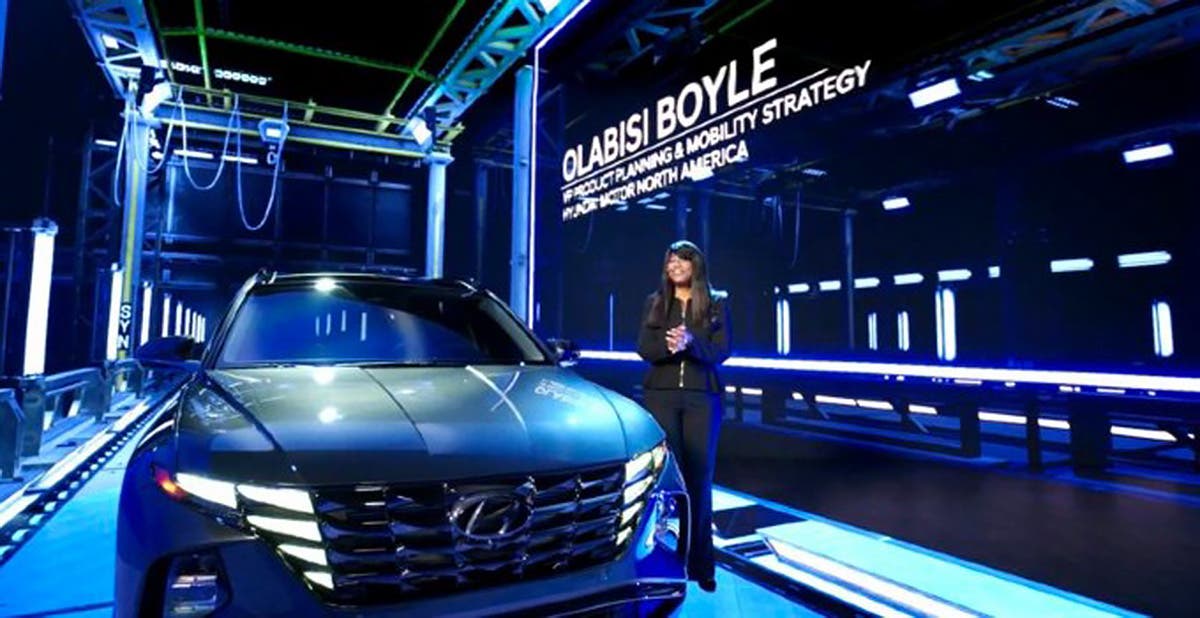
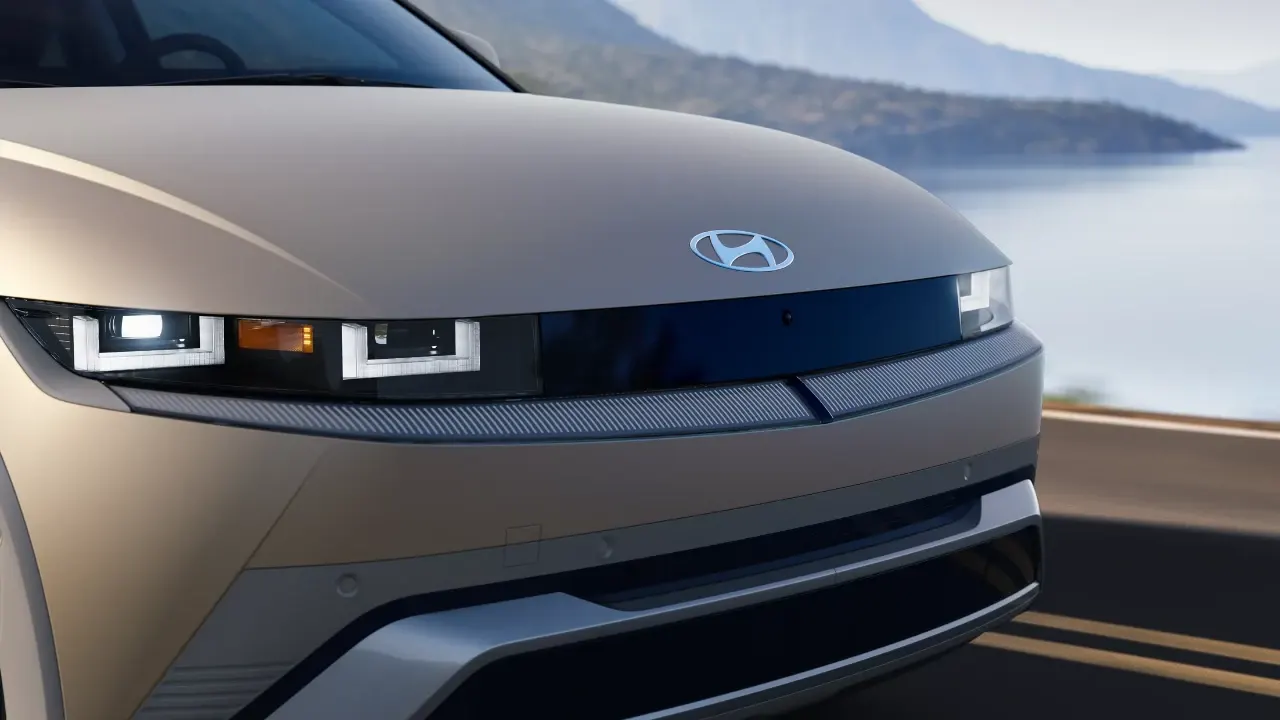
While Boyle confirms that EV sales did slump in November 2025 compared to the frenzy of 2024, she urges critical thinking. She argues that massive October sales, like the Ioniq 5‘s best-ever month of 8,408 units, were driven artificially high by customers rushing to grab the credit before it expired. Year-To-Date figures tell a different story. The Ioniq 5 is up 12% over 2024. EV sales aren’t cratering; they are simply stabilizing after the government’s free-money hangover.
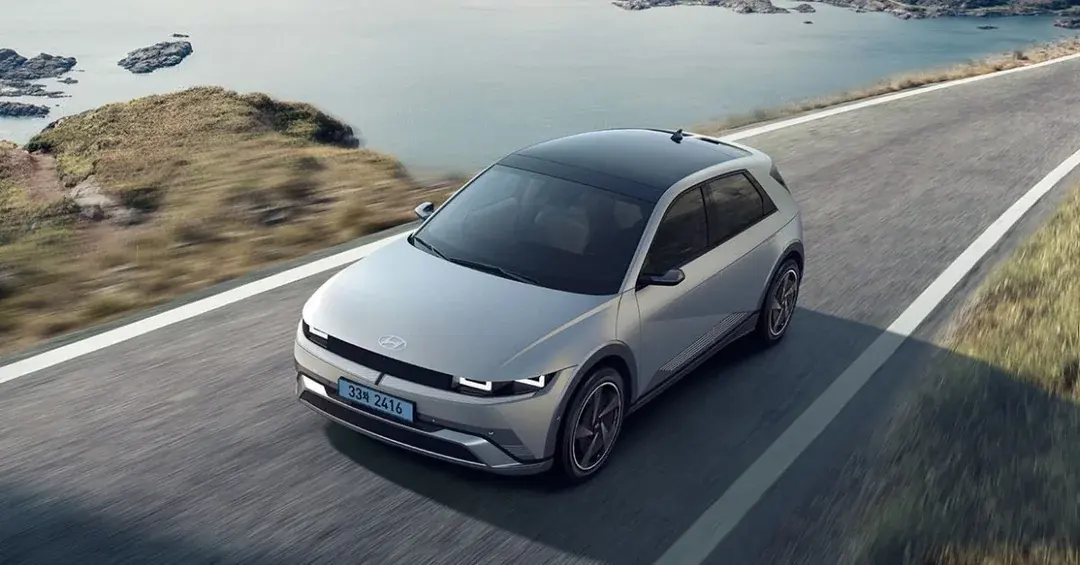
Hyundai was prepared for this pivot, immediately announcing deep price cuts on the Ioniq 5, in some trims, exceeding the former $7,500 federal handout, sometimes reaching $9,800. This aggressive move was intentional, designed to appeal to the “middle of the adoption curve”, the consumers who prioritize affordability and ease of use over bleeding-edge status. Boyle explained that Hyundai works backward with R&D, setting a target price point for years out, and adjusts material costs and options to meet it.
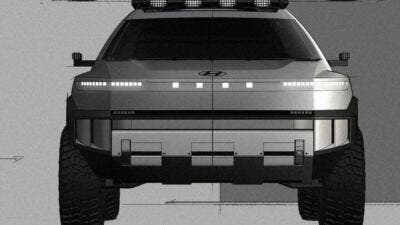
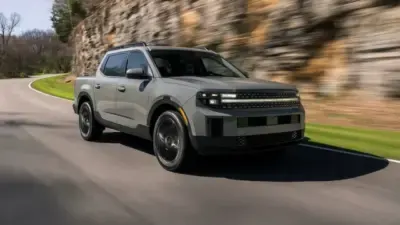
Beyond affordability, the infrastructure gap remains the next great hurdle. Hyundai’s solution? EREVs. This tech, where a gasoline engine acts purely as a generator, solves the consumer’s chief complaint: range anxiety. “People like to hear ‘I can get 600 miles of range.’ With the EREV, you can get that”, Boyle explained. This is especially relevant for large vehicles like the newly announced mid-size pickup truck, where an all-electric solution is harder to sell for customers who need maximum towing and distance.
Meanwhile, Hyundai is actively solving the infrastructure problem with its investment in Ionna, a massive North American charging network partnership. Ionna is deploying thousands of high-power 400-kilowatt DC fast-charging ports across the US, proving that Hyundai is working on both the consumer-facing product and the systemic infrastructure needed to make the EV transition actually work.