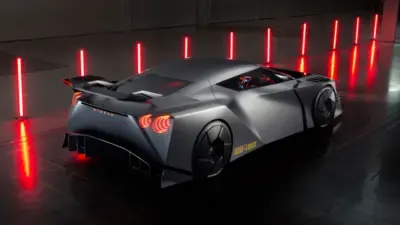
Nissan has officially taken a sledgehammer to its plans for two new electric SUVs at its Canton, Mississippi plant, effectively telling the US market that if they want a battery on wheels, they might want to look elsewhere. The reasoning is as blunt as a sledgehammer. US demand for battery electric vehicles hit a wall built of shifting politics. According to Nissan spokesperson Ashli Bobo, Canton’s future “will include different powertrain types,” but “it will not include BEVs”.
This is a full-scale retreat. Initially, Nissan promised four new EVs for Canton by 2028. Then it was two. Now, the number is zero. Instead of silent electric motors, the Mississippi facility will double down on what actually pays the bills: internal combustion and hybrids. Specifically, the newly resurrected Xterra will sport a V6 engine. A clear signal that Nissan is pivoting back to the “rugged and thirsty” aesthetic that buyers actually want to finance.
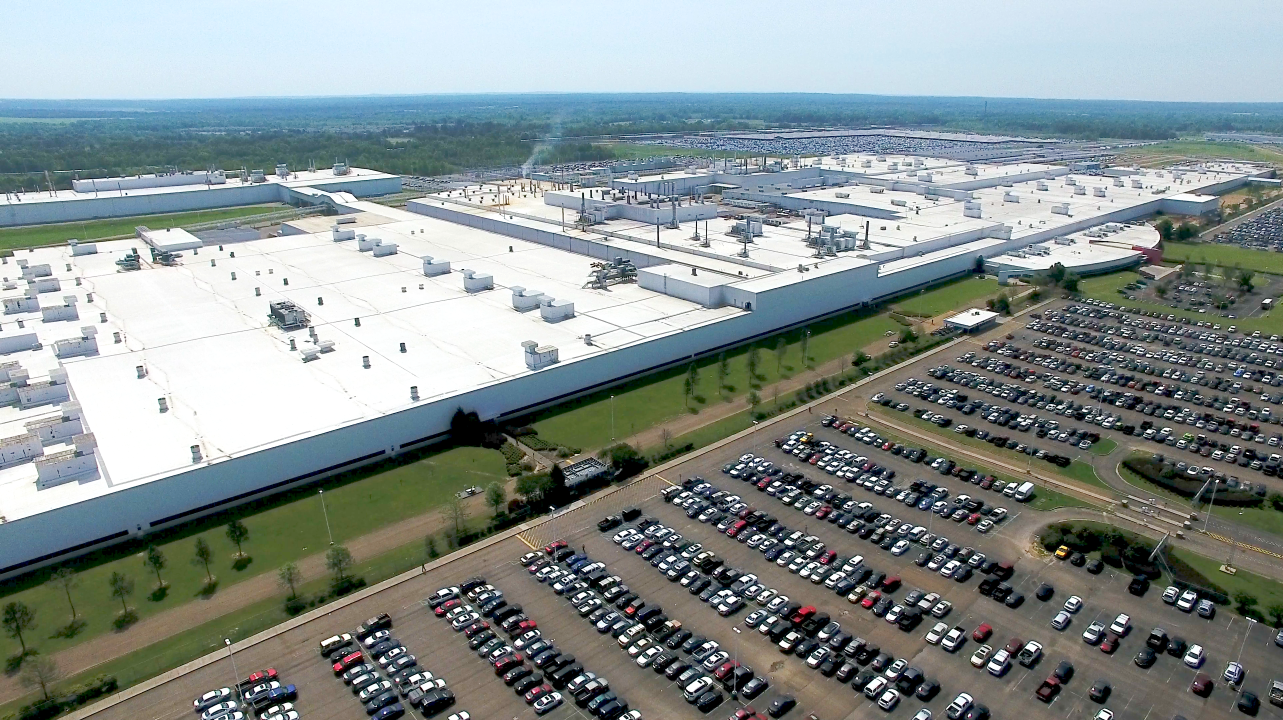
The numbers tell a grim story for the pro-EV crowd. The US electric market share, which hit a high of 10.6% in late 2025, has cratered to a measly 5.8% in early 2026. Toss in a 15% import tariff on the Japanese-made Ariya and the looming threat of more trade barriers under the Trump administration, and Nissan’s financial survival depends on playing it safe.
The new strategy is simple. Lean on the e-Power hybrid tech and the Rogue PHEV while the aging but profitable Frontier pickup continues to carry the entire North American portfolio on its back.
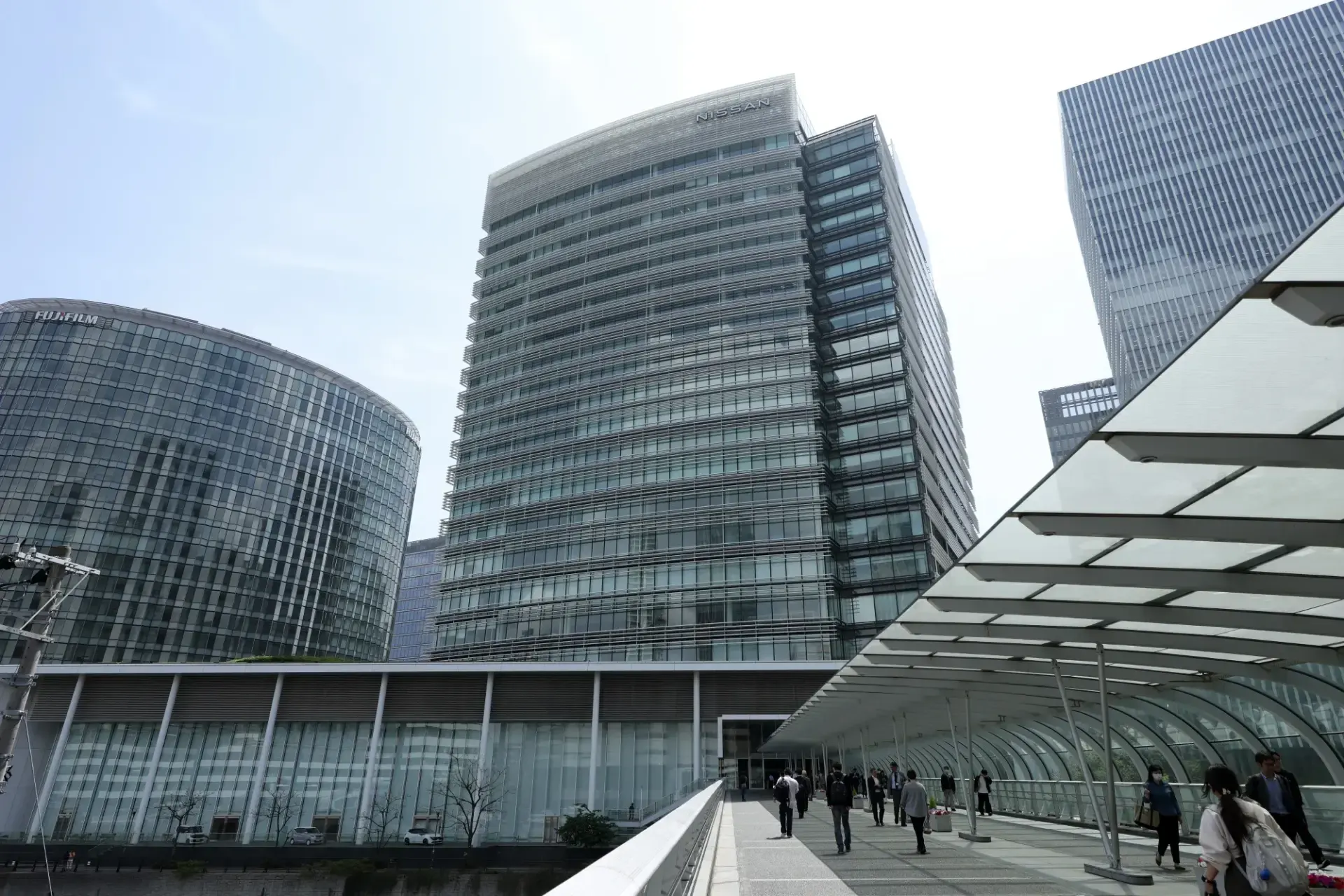
While Nissan is cutting its global manufacturing footprint from 17 sites to just 10 by 2027, Canton is safe from the chopping block, but it’s undergoing a painful “restructuring”. The $500 million investment originally meant for EV retooling is being “re-oriented”. With voluntary buyouts thinning the herd and the “Re:Nissan” plan slashing component complexity by 70%, the era of ambitious, subsidized electric dreams is over.