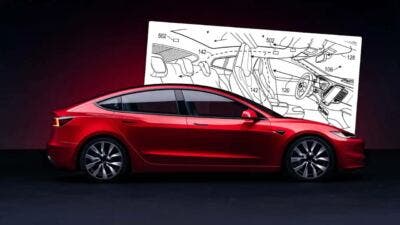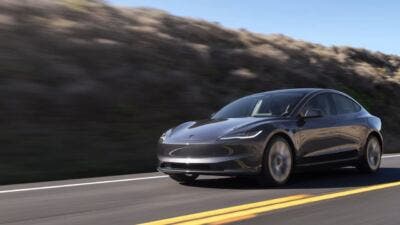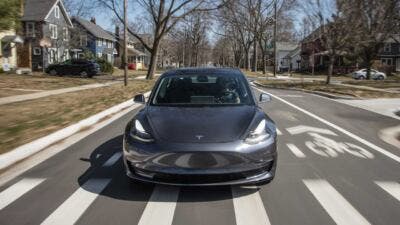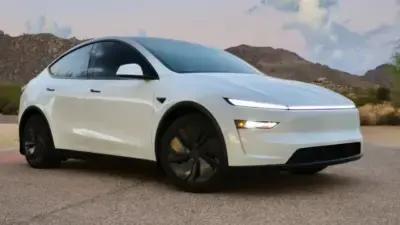
Tesla just passed a test that everyone else was technically allowed to skip for another year. The NHTSA recently crowned the 2026 Tesla Model Y as the first vehicle to conquer its updated New Car Assessment Program (NCAP) for advanced driver assistance systems (ADAS).
While the headline sounds like a tech revolution, let’s be clear about what we’re actually celebrating here. We are talking about features like blind-spot warnings, lane-keeping assist, and pedestrian emergency braking. Technology that has been as standard as a cup holder on base-model Toyotas and Hyundais for years.
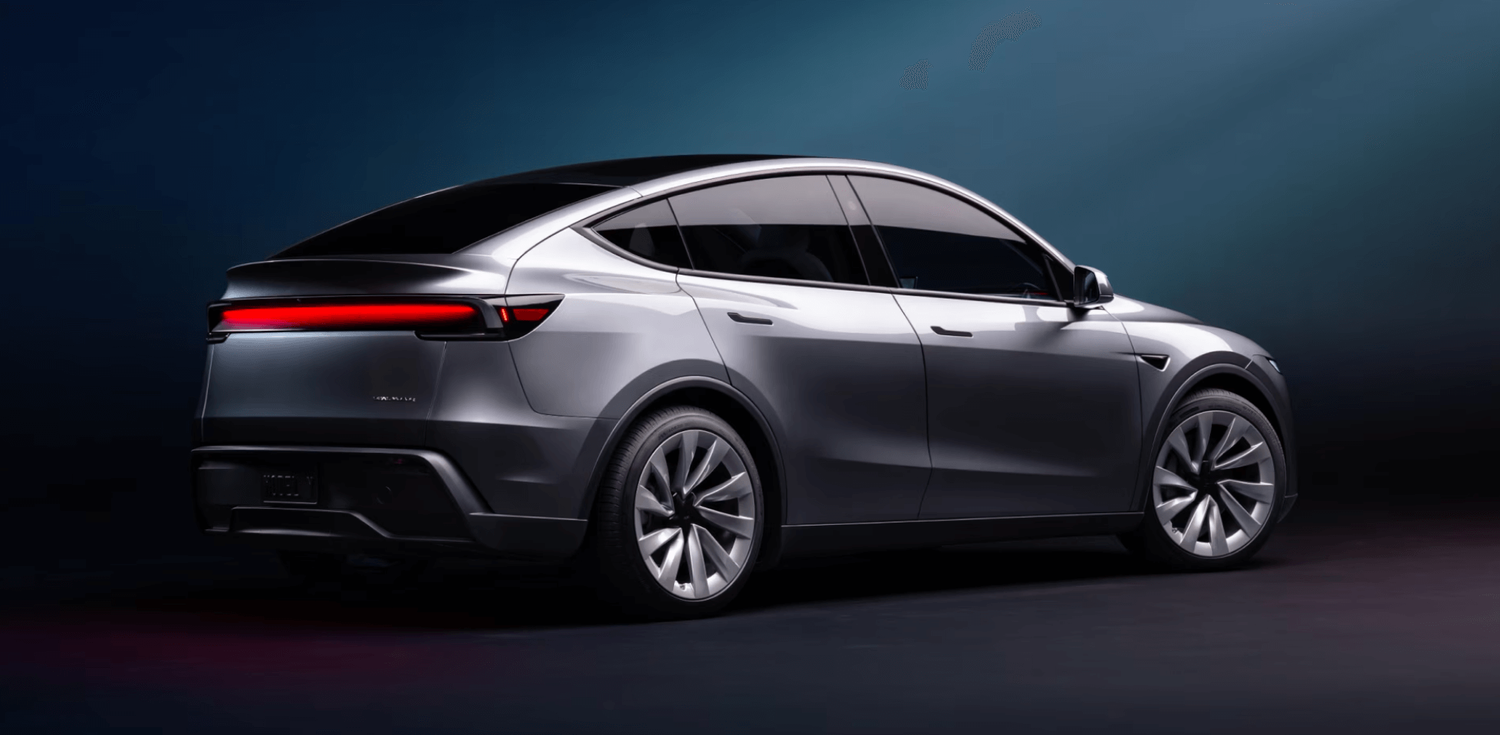
Tesla managed to check all eight boxes, including four new pass/fail evaluations. While the Alliance for Automotive Innovation successfully lobbied the Trump administration to delay these requirements until the 2027 model year, Tesla decided to show up for the exam early. Consequently, NHTSA Administrator Jonathan Morrison is hailing the Model Y as an “industry benchmark” for tech that is, frankly, the bare minimum for any vehicle hitting the road in 2026.
The branding of this announcement is where things get truly “innovative”. It’s rare to see a government safety agency lead a press release with “The Trump Department of Transportation Announces…” It feels like a curated PR gift for a CEO who has famously close ties to the current administration. It’s a curious bit of political theater, especially since these ADAS “badges” are merely binary checkmarks on a website.
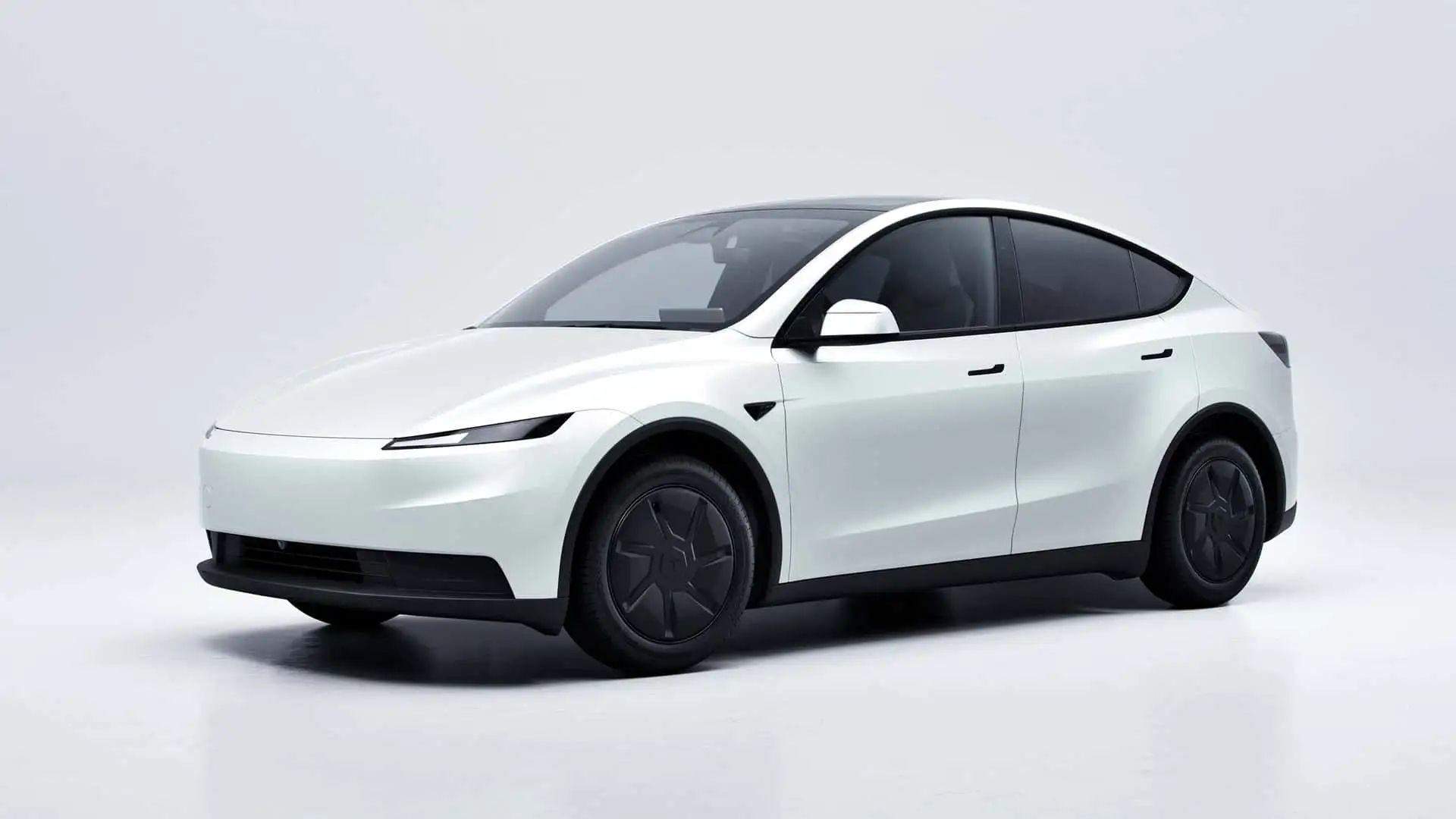
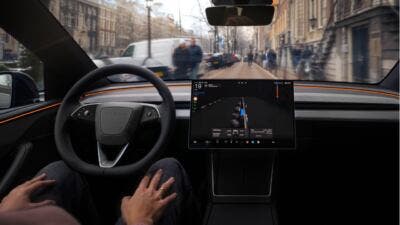
The irony, however, is impossible to ignore. While one hand of the NHTSA is busy patting Tesla on the back for knowing how to beep when a car is in its blind spot, the other hand is tightening a noose around the Full Self-Driving (FSD) system. The agency is currently deep into an engineering analysis of 3.2 million vehicles because the vision-only FSD system apparently struggles with basic concepts like sun glare and fog.
It’s a bizarre split personality for a regulator: celebrating a car for its basic survival instincts while simultaneously investigating if its “advanced” brain is fit for public roads. Tesla seems to be betting that as long as you pass the easy tests, nobody will notice you’re still failing the hard ones.