

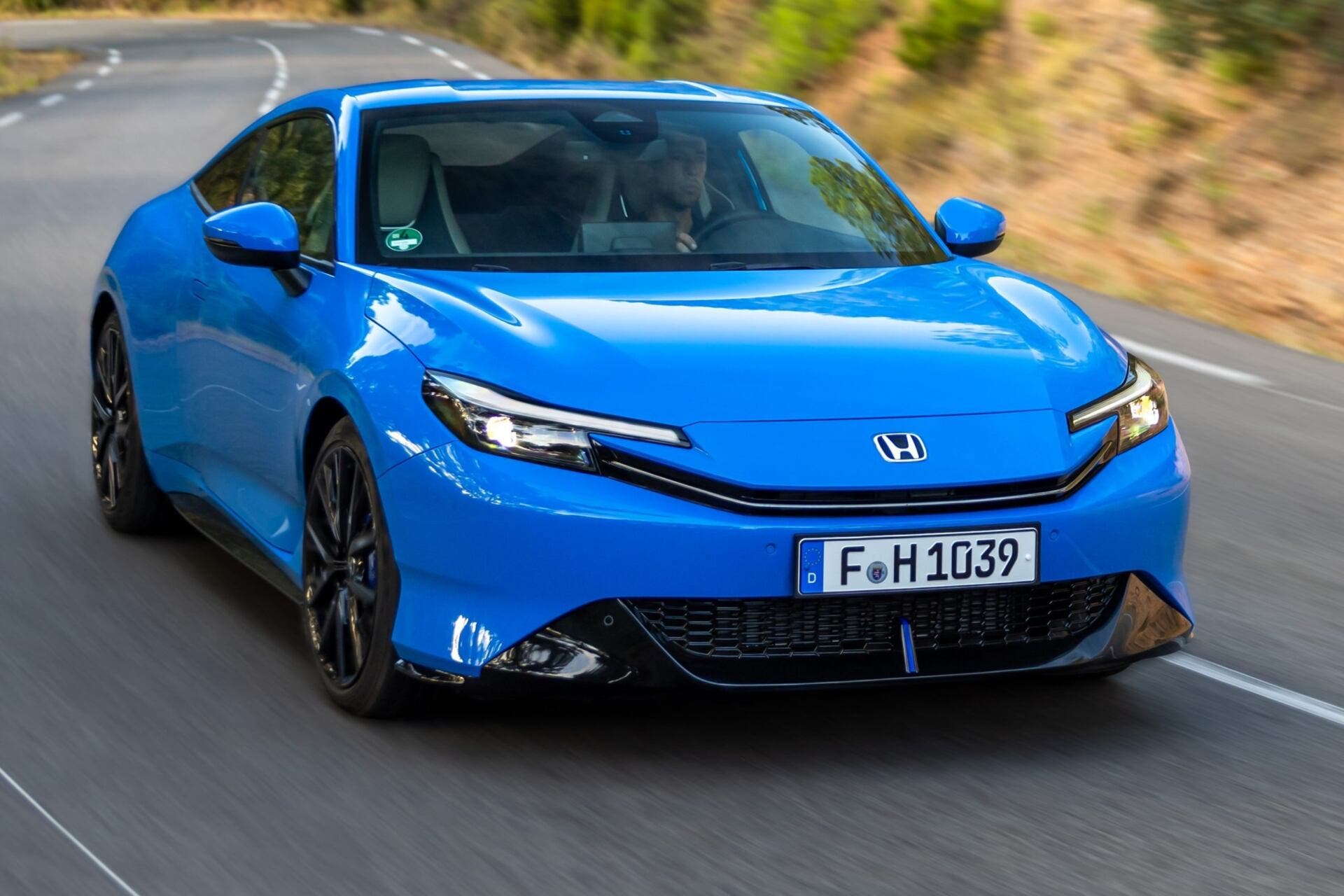
Honda put all its hopes on the return of the Prelude to reclaim a segment it had left unattended for years. A modern coupé designed to attract buyers across all major markets sounded like the right move for a brand that positions itself closer to premium manufacturers than to mainstream rivals. On paper, the strategy made perfect sense. In reality, however, the results are telling a different story.
The real issue is that what is happening in the United States could easily repeat elsewhere. Honda can manage weakness in a single market, but broader trouble would prove far more difficult to contain. The numbers already paint a picture the company hoped to avoid, especially in the U.S., where two-door sports cars usually gain traction quickly.
Honda Prelude struggles in the U.S. as weak sales raise concerns for Europe
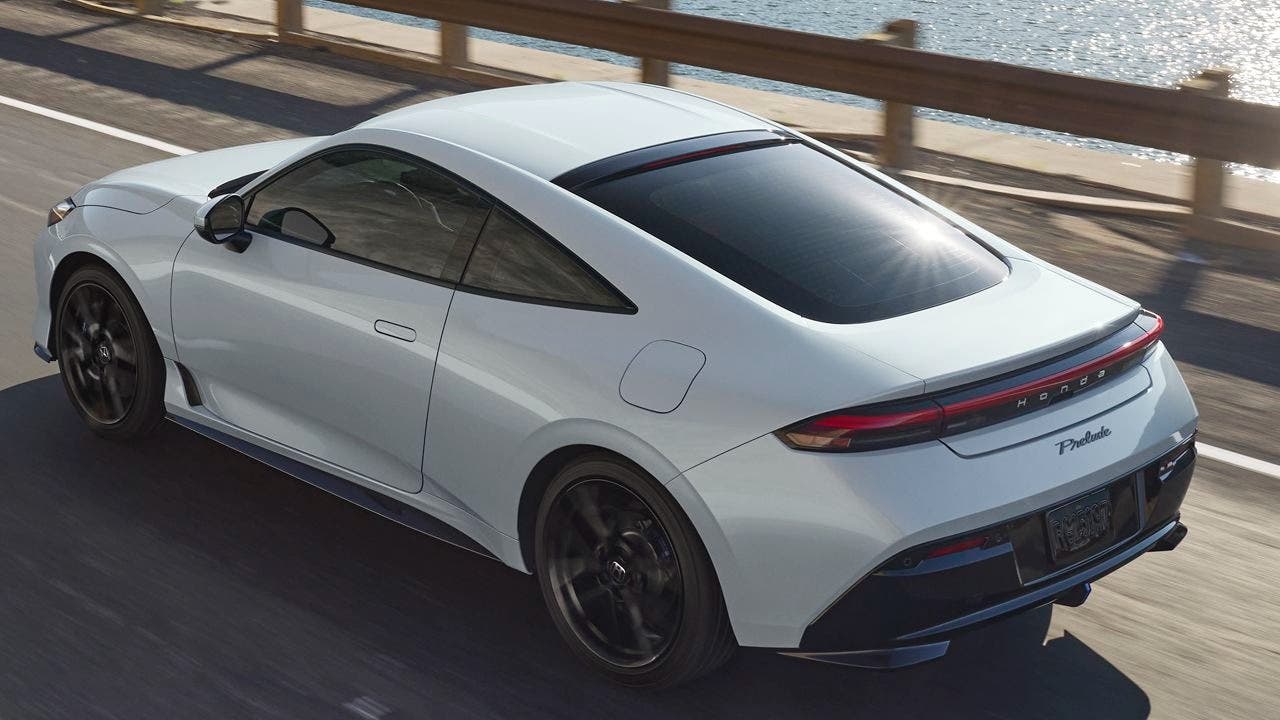
Last December delivered just 174 units of the Prelude sold. That figure looks even more concerning when compared with Japanese rivals. Toyota sold 576 GR86 models and 277 Supras, Nissan moved 221 Zs, and even the Subaru BRZ closed the month with 229 units. Every competitor cleared the 200-unit mark, while the Prelude failed to do so despite its recent launch. The BRZ, already four years old, still outsold a brand-new model, a detail that raises legitimate concerns.
Design does not appear to be the Prelude’s main weakness. Analysts instead point to its technical concept, which fails to deliver the driving excitement offered by Toyota’s sports cars or the Nissan Z. Honda opted for elegant styling, but that approach does little to attract buyers looking for a true performance coupé. Mechanical choices only reinforce that perception.
Under the hood sits a hybrid setup combining a 1.5-liter four-cylinder engine producing 141 horsepower with two electric motors, for a total output of 184 horsepower. For this type of car, that configuration already feels like a compromise. The use of a CVT automatic transmission further weakens the appeal. Early driving impressions frequently describe the Prelude as “lazy” and “slow to respond,” criticism that directly targets the powertrain rather than the chassis or design.
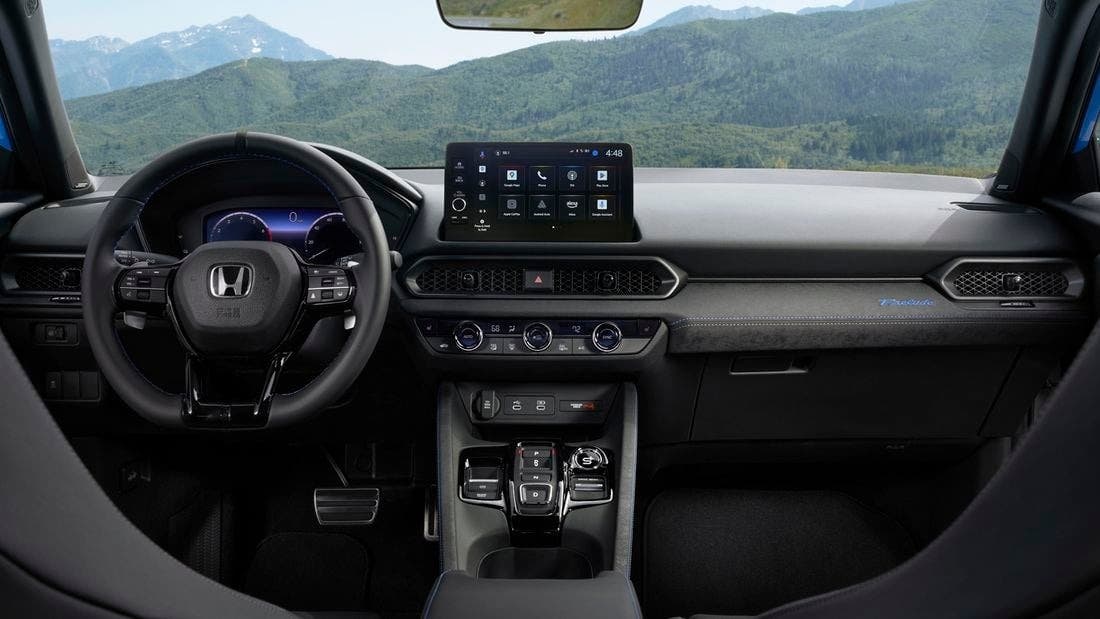
Of course, the formula may work for buyers who prioritize comfort, efficiency, and long-distance usability while appreciating the car’s styling. However, simulated gear changes in an automatic transmission do not satisfy enthusiasts shopping for a sporty coupé. Pricing only makes the situation harder.
In the United States, the Prelude starts at $42,000, far from an entry-level figure. Dealerships pushed prices even higher in an attempt to boost margins, assuming the Prelude name alone would drive demand. That gamble failed. Honda now faces the challenge of preventing the same outcome in Europe, even though it appears almost inevitable. The mechanical configuration remains unchanged, and the European price sits around €49,500, following the same upward trajectory as in the U.S.
The one positive note is timing. With the Prelude on sale for just two months, Honda still has room to adjust its approach. A more dynamic setup could help the car win over true driving enthusiasts instead of leaving them lukewarm.