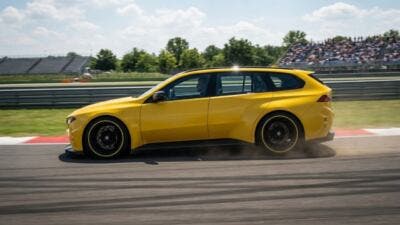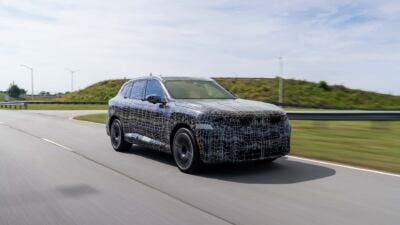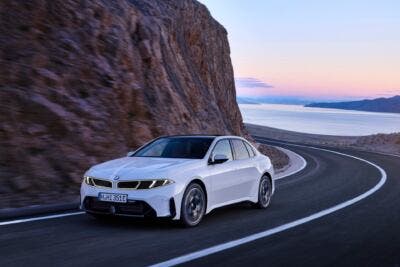
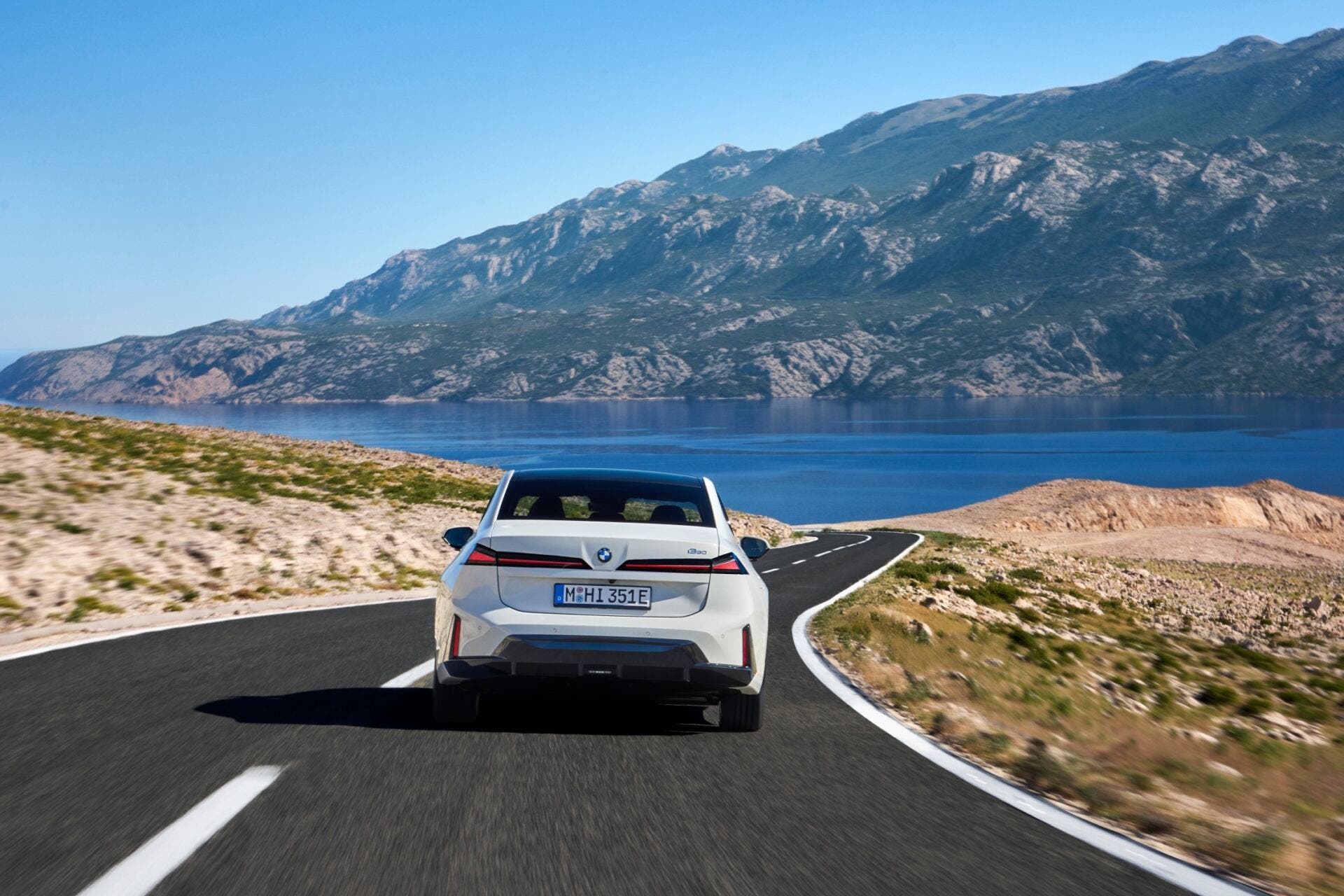
BMW has opened UK orders for the i3 50 xDrive First Edition, the second model in the Neue Klasse family after the iX3 and the first fully electric saloon to inherit the role traditionally held by the 3 Series. Deliveries should begin in autumn 2026, when BMW will also offer the standard version with a declared range of up to 912 km on the WLTP cycle. In the UK, prices start from £53,005 ($70,240) OTR.
New BMW i3 50 xDrive First Edition, UK orders open from £53,005
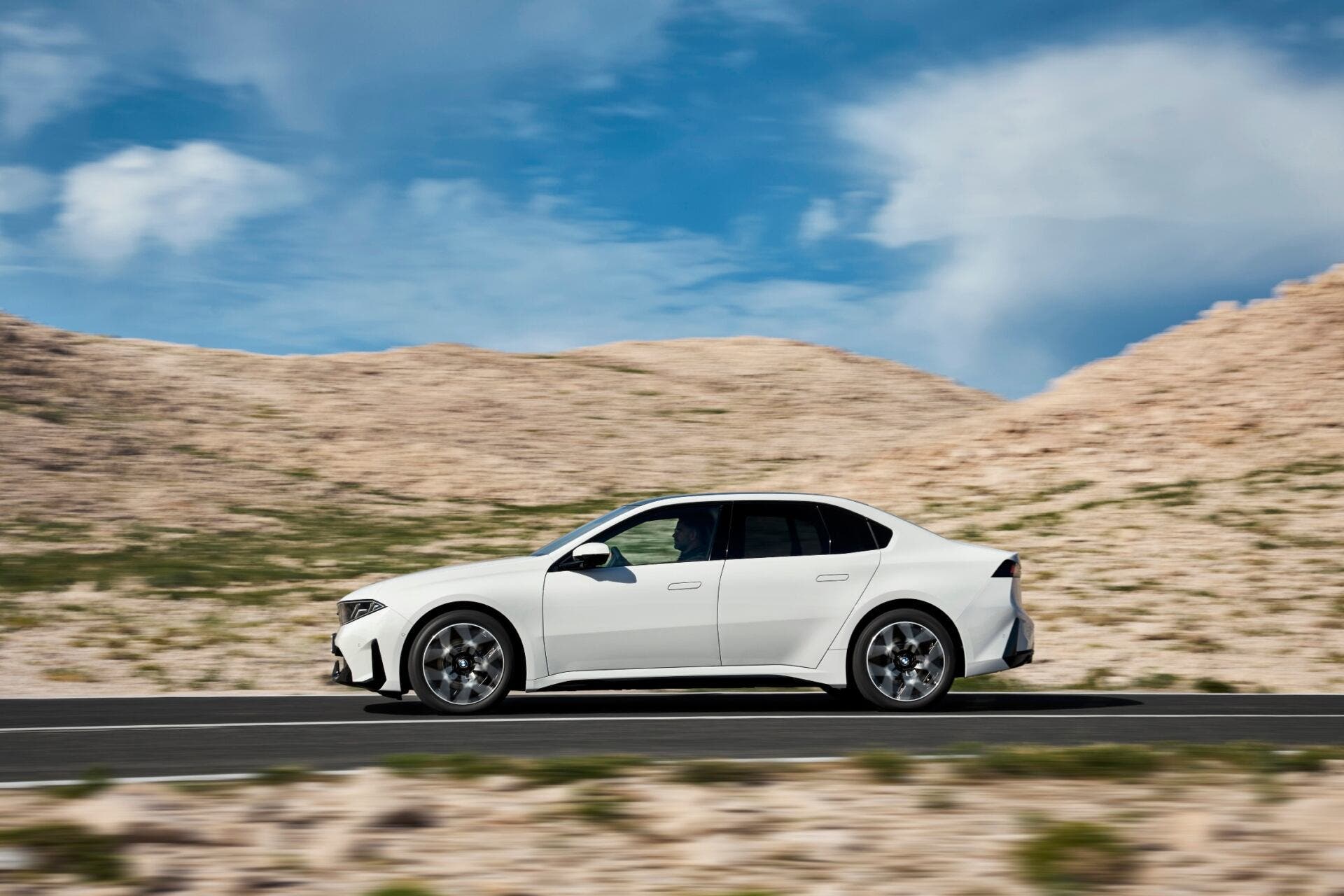
The 800-volt platform uses two electric motors, one at the front and one at the rear, for a combined output of 345 kW, equal to 469 hp, and 645 Nm of torque. This setup allows the car to accelerate from 0 to 100 km/h in 4.7 seconds. The 108.7 kWh battery uses new-generation cylindrical cells and supports DC fast charging at up to 400 kW, allowing the car to recover up to 423 km of range in just ten minutes at a high-power charging station. The First Edition declares a WLTP range between 758 and 906 km, depending on the cycle.
Jochen Goller, member of the Board of Management of BMW AG, described the car as a strategic model for the group. “The new BMW i3 is a revolutionary car for us. As a fully electric model, it will compete in a high-volume segment and is therefore extremely important for the BMW Group,” he said. Mike Reichelt, head of the Neue Klasse programme, linked the model to the 3 Series tradition, stressing that “with the Neue Klasse and its technology clusters, we are literally skipping a generation of vehicles.”
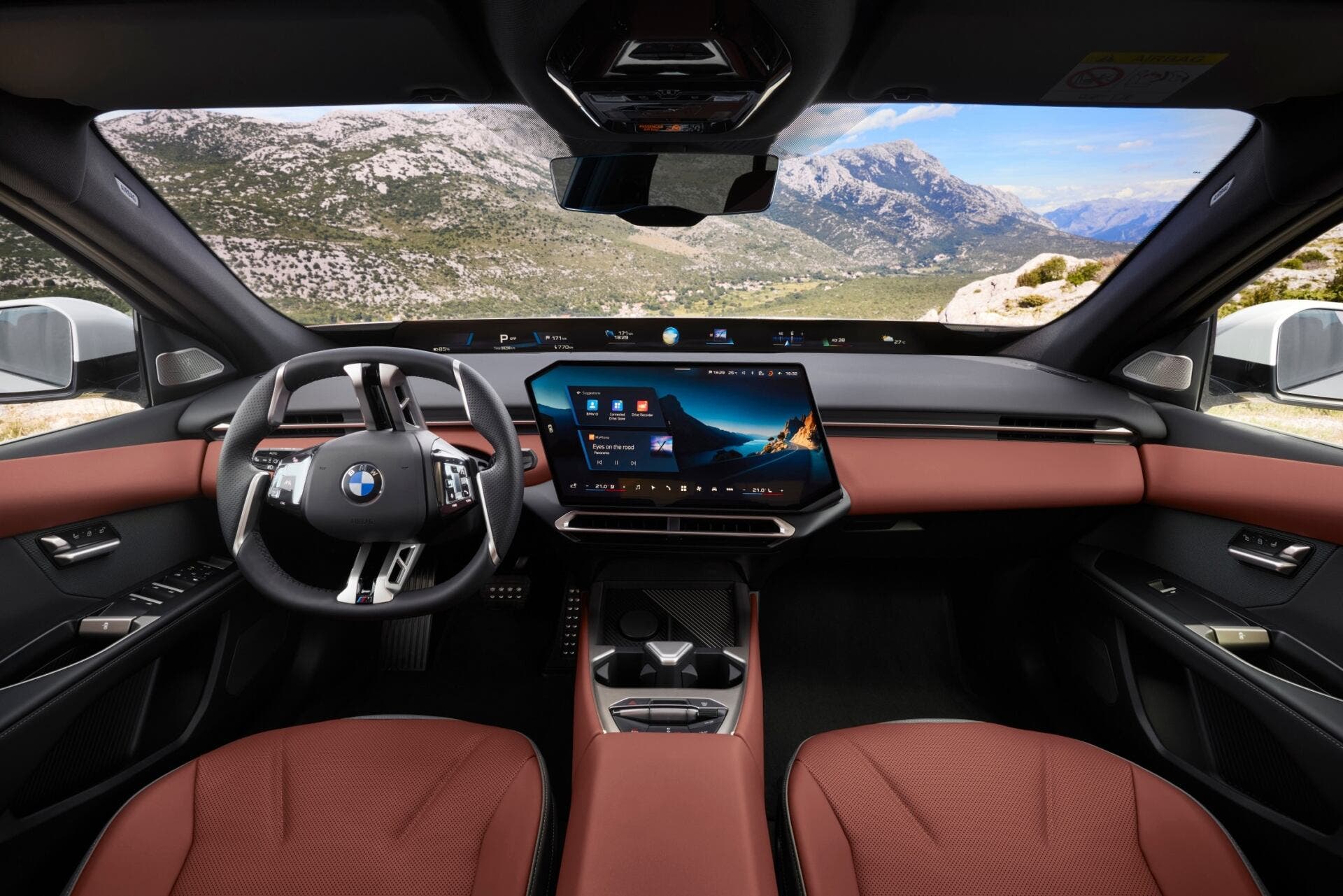
Inside, the car introduces BMW Panoramic iDrive with Operating System X. The system projects driving information along the lower section of the windscreen and integrates a voice assistant. First Edition equipment includes the M Sport package, BMW Iconic Glow, 3D head-up display, multifunction front seats, three-zone climate control, Harman Kardon audio with Dolby Atmos and AC charging at up to 22 kW.
Among the driver assistance systems, the i3 also introduces BMW Symbiotic Drive. This technology allows the driver to intervene on steering, braking and acceleration without deactivating the automatic assistance functions, creating a more fluid interaction between human input and automated support.