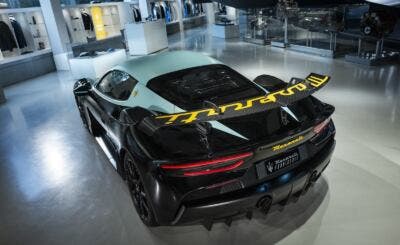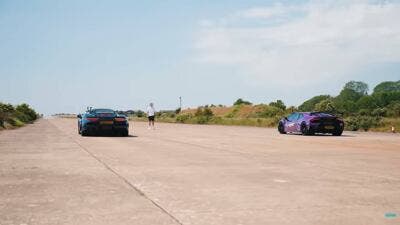
The Maserati GT2 Stradale and Lamborghini Huracán STO bring identical factory power ratings but very different engines to a Carwow drag race. Both produce 631 hp and send their power to the rear wheels through dual-clutch transmissions.
The contest includes a standing quarter-mile race, a rolling half-mile run and a braking test from 100 mph. With neither car holding an advantage in peak power or driven wheels, torque, weight and power delivery become the most important differences.
Can the Maserati GT2 Stradale beat the Lamborghini Huracán STO?
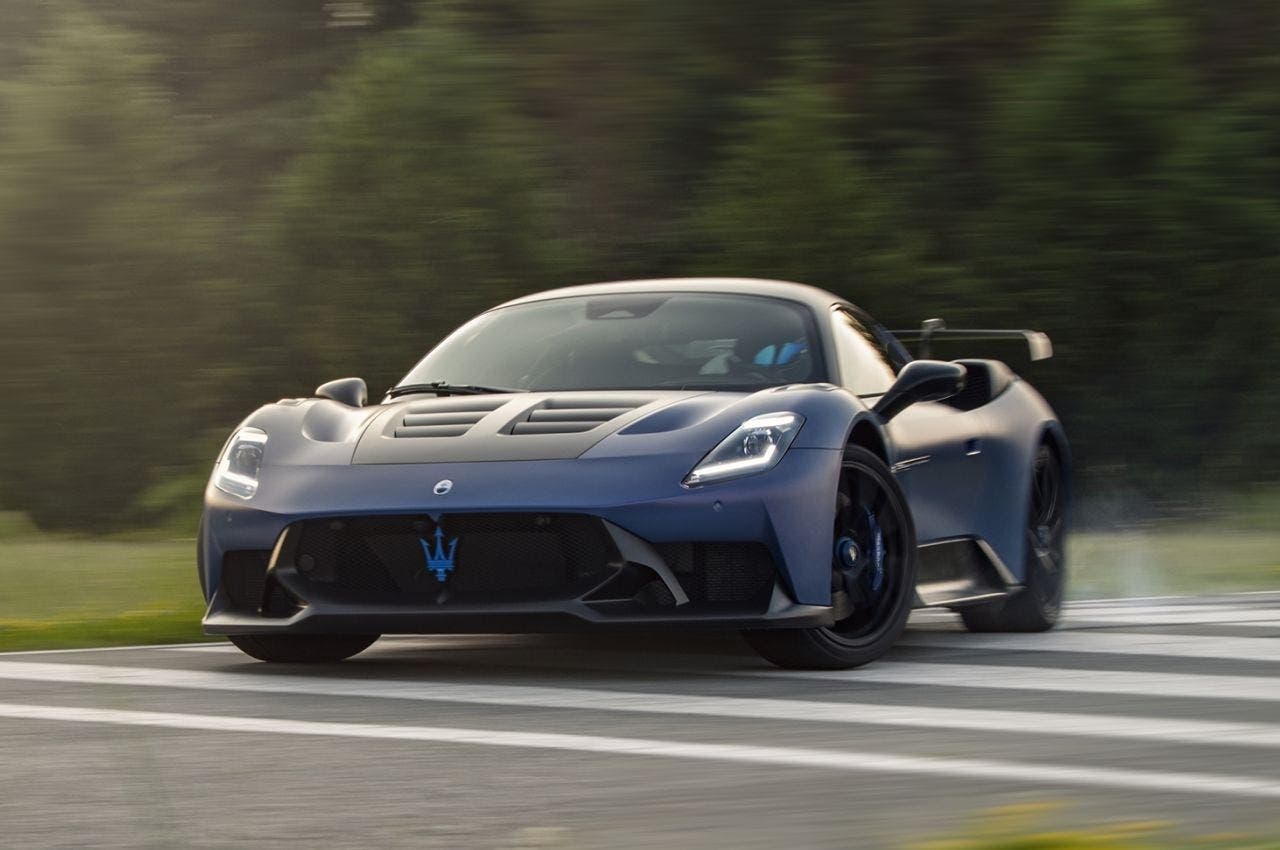
Maserati equips the GT2 Stradale with a 3.0-liter twin-turbo Nettuno V6 that produces 531 lb-ft of torque. The car weighs approximately 3,252 pounds and uses an eight-speed dual-clutch transmission with rear-wheel drive. Maserati also claims a 0-62 mph time of 2.8 seconds and a top speed of approximately 201 mph.
The forced-induction engine gives the Maserati a 114-lb-ft torque advantage over the Lamborghini. That difference could help the GT2 Stradale build speed during the rolling race, where traction at launch plays a smaller role and both cars can use more of their available output.
The Huracán STO takes the opposite mechanical approach. Its naturally aspirated 5.2-liter V10 produces approximately 631 hp and 417 lb-ft of torque through a seven-speed dual-clutch transmission. Lamborghini quotes a dry weight of 2,952 pounds, although the figure used in the Carwow comparison places the car at approximately 3,166 pounds.
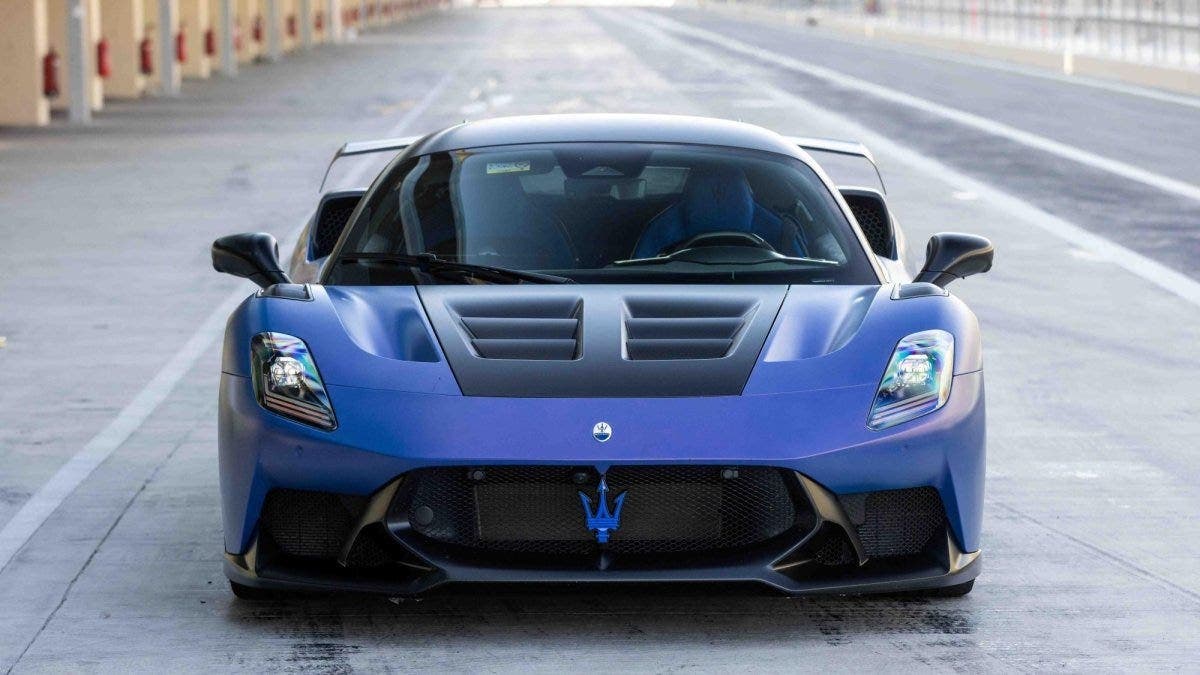
Using the figures presented in the video, the Lamborghini weighs about 86 pounds less than the Maserati. It therefore combines less mass with the same peak power, while its naturally aspirated V10 delivers a more linear response and reaches its maximum output at higher engine speeds.
Those specifications make the comparison difficult to predict. The GT2 Stradale counters its additional weight with significantly more torque, while the Huracán STO relies on lower mass, immediate throttle response and an engine designed to thrive at high rpm.
The quarter-mile race tests traction, launch control and transmission performance over a short distance. The rolling half-mile gives the engines more time to reveal their different characteristics, while the 100-mph braking test compares how effectively the two track-focused cars can shed speed.
Both models come from Italy’s Emilia-Romagna region but translate racing priorities into street-legal cars through very different philosophies. Maserati uses turbocharged torque from a compact V6, while Lamborghini relies on the sound and response of a large naturally aspirated V10.