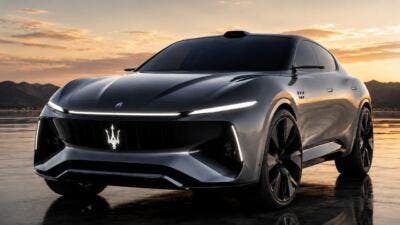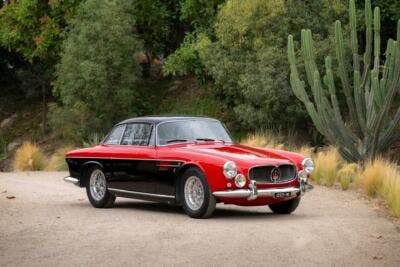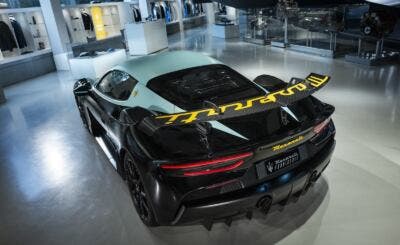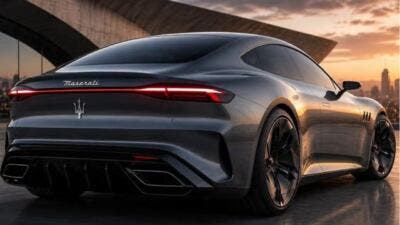
Maserati engineering chief Davide Danesin has questioned whether plug-in hybrid technology offers the right compromise for a high-performance car. His concerns involve the roughly 660 pounds of additional hardware and the fact that a PHEV delivers its greatest efficiency benefit only when owners recharge it regularly. His position does not reject electrification, but it favors lighter solutions that could preserve the response and balance expected from a Maserati.
Maserati rejects plug-in hybrids as too heavy for performance cars
A plug-in hybrid must carry a combustion engine, one or more electric motors, a relatively large battery and the electronics needed to coordinate both power sources. This setup allows the car to cover shorter trips on electricity while the gasoline engine removes the range concerns associated with a fully electric vehicle. However, the extra hardware increases weight and can affect braking, direction changes, efficiency and driver response.
A conventional sedan or SUV may absorb those compromises more easily. A performance car makes them harder to conceal because weight distribution, steering response and chassis behavior form a larger part of its identity. Adding hundreds of pounds can therefore work against the agility and immediacy that the hybrid system should support, especially after the battery has used most of its charge.
Charging habits create another major variable. A PHEV can use its electric range effectively when the owner plugs it in at home each night or charges it regularly at work. Without that routine, the gasoline engine must move the entire vehicle while the battery and electric components contribute less to the trip. Under those conditions, real-world fuel consumption can approach or even exceed that of a comparable conventional model, while actual emissions may differ sharply from official test figures. Studies have found a significant gap between the certified and real-world fuel consumption of many plug-in hybrids, largely because owners drive fewer electric miles than laboratory calculations assume.
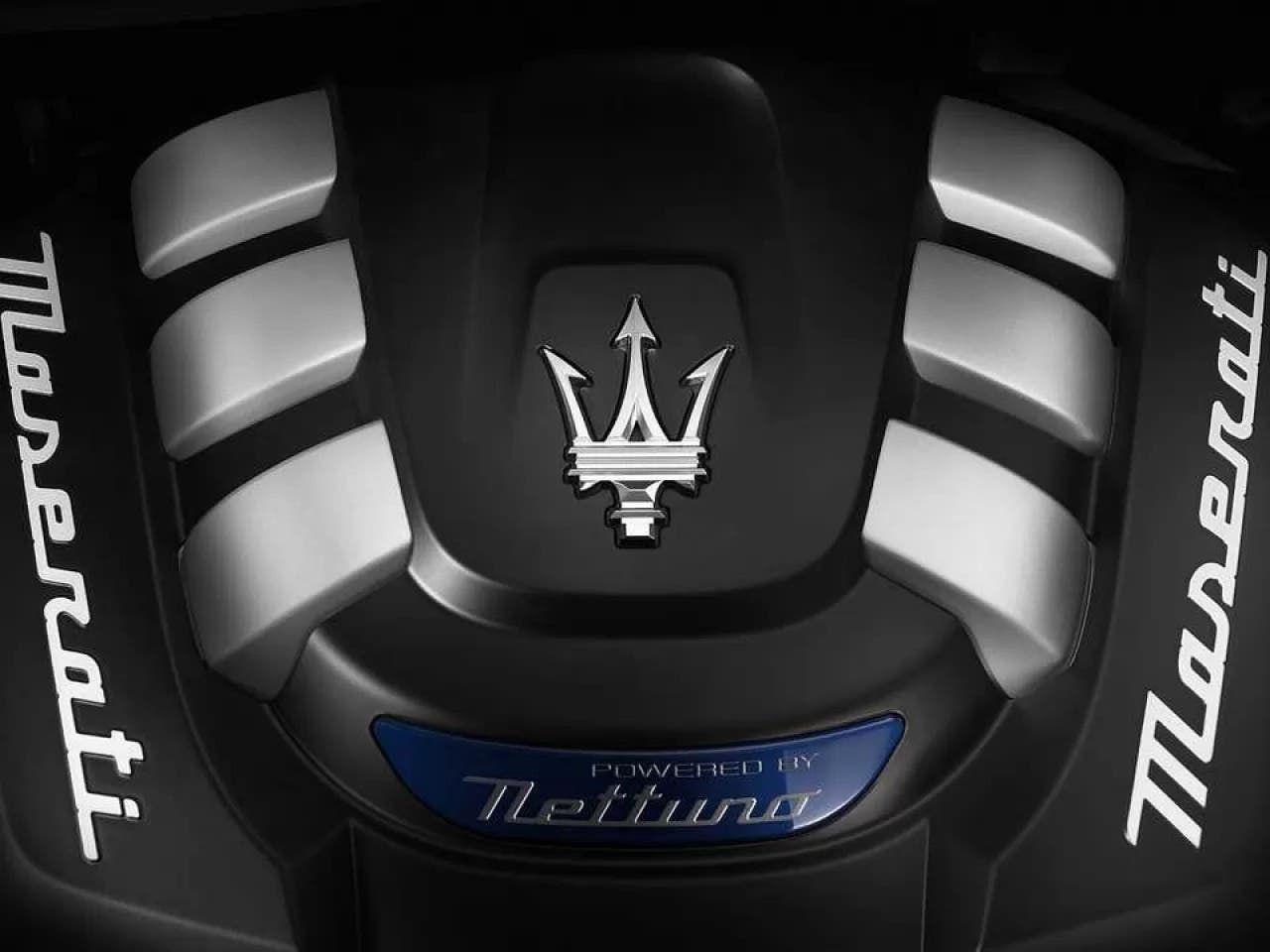
Danesin’s comments also suggest how Maserati could electrify its Nettuno V6 without adding a charging port. The company has access to 48-volt mild-hybrid and high-voltage full-hybrid technology, both of which could use smaller batteries and less intrusive packaging than a plug-in system. Maserati has not confirmed a production program for a hybrid Nettuno, so those possibilities remain under evaluation.
Ferrari and Lamborghini have taken a different approach by using plug-in systems to combine very high output with lower official fleet-emissions figures. Their electric motors can improve acceleration, fill gaps in engine response and support all-wheel drive, giving the added weight a clear performance function.
Maserati’s argument places greater emphasis on vehicle dynamics and predictable real-world use. The company is not claiming that every plug-in hybrid consumes more fuel than a conventional car. Instead, it argues that the technology delivers its intended advantages only when customers charge regularly and the electric hardware contributes enough to justify its weight.