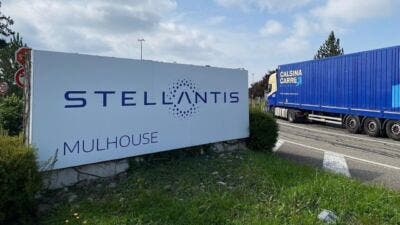
Politicians love a grand stage, especially when they can announce a multi-billion-dollar corporate investment that the corporation itself hasn’t actually agreed to yet. A couple of days ago, French President Emmanuel Macron took to the Élysée Palace to deliver a masterclass in economic theater. The star of his green fairy tale? The historic Mulhouse production plant in Alsace. A massive, shiny investment of over one billion euros to transform the facility into a Stellantis premium hub for a next-generation fleet of electric vehicles starting in 2029.
It all fits beautifully into Macron’s sweeping political agenda to force electric mobility into occupying a staggering 60% of France’s total energy mix by 2030. In this narrative, the EV is treated as an ironclad industrial weapon rather than just an environmental token. “This is a true industrial future we are offering to the Mulhouse plant”, Macron beamed.
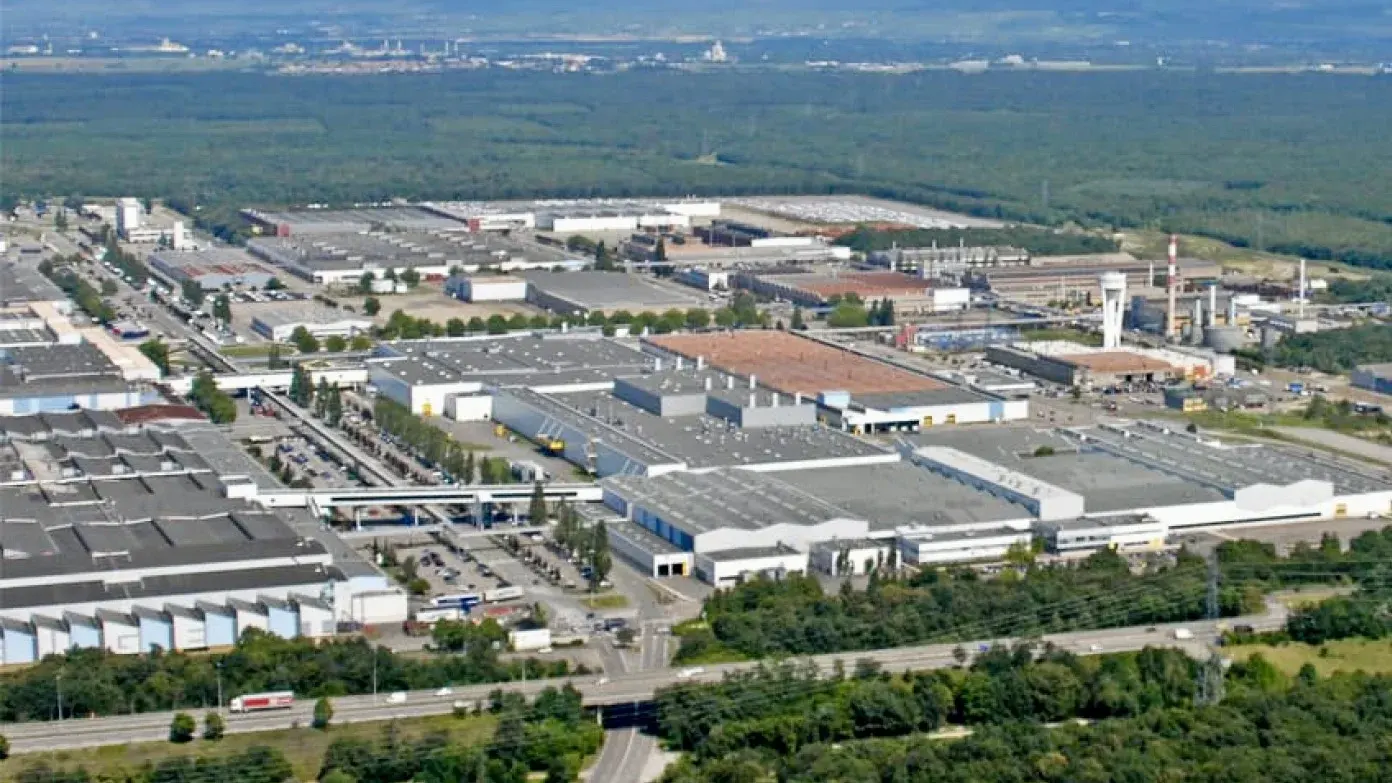
There is just one tiny, glaring issue: nobody told Stellantis. While the Élysée was busy popping metaphorical champagne, the automotive automotive giant responded with the corporate equivalent of an icy, unblinking stare. Stellantis flatly refused to confirm the one-billion-euro figure, the vague 2029 timeline, or what specific next-gen EV models would theoretically roll off the assembly line. Instead, the automotive group retreated into a bunker of extreme financial caution.
This profound disconnect between political hype and boardroom reality hits at a precarious moment for the European landscape. The regional EV market is currently navigating a chaotic, deeply unstable transition, and manufacturing executives are not in the business of letting presidents gamble with their balance sheets for a quick public relations victory.
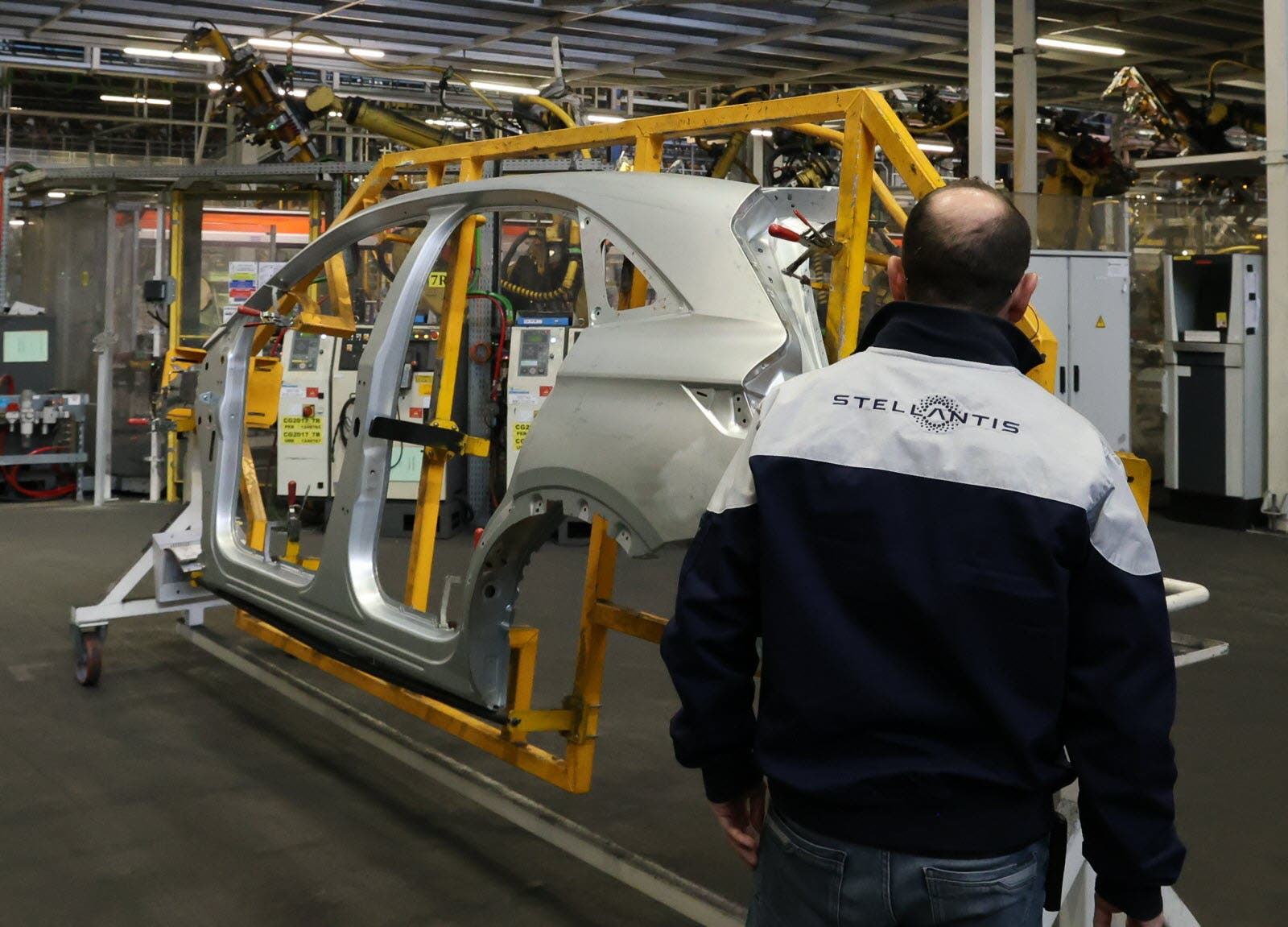
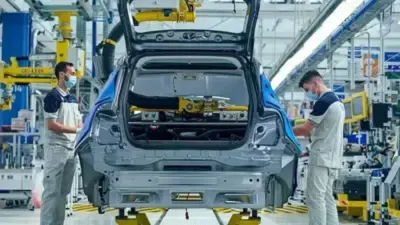
Mulhouse desperately needs a genuine lifeline. The factory currently churns out the Peugeot 308 and Peugeot 408, but its post-pandemic production volume has shriveled from a healthy historical average of 200,000 vehicles per year down to a sluggish 135,000 units. For the 4,000 employees tied to the factory floor, Macron’s words offer a concrete hope for long-term survival. For Stellantis, however, it represents a massive financial commitment that will only be validated when the microeconomic math actually makes sense.