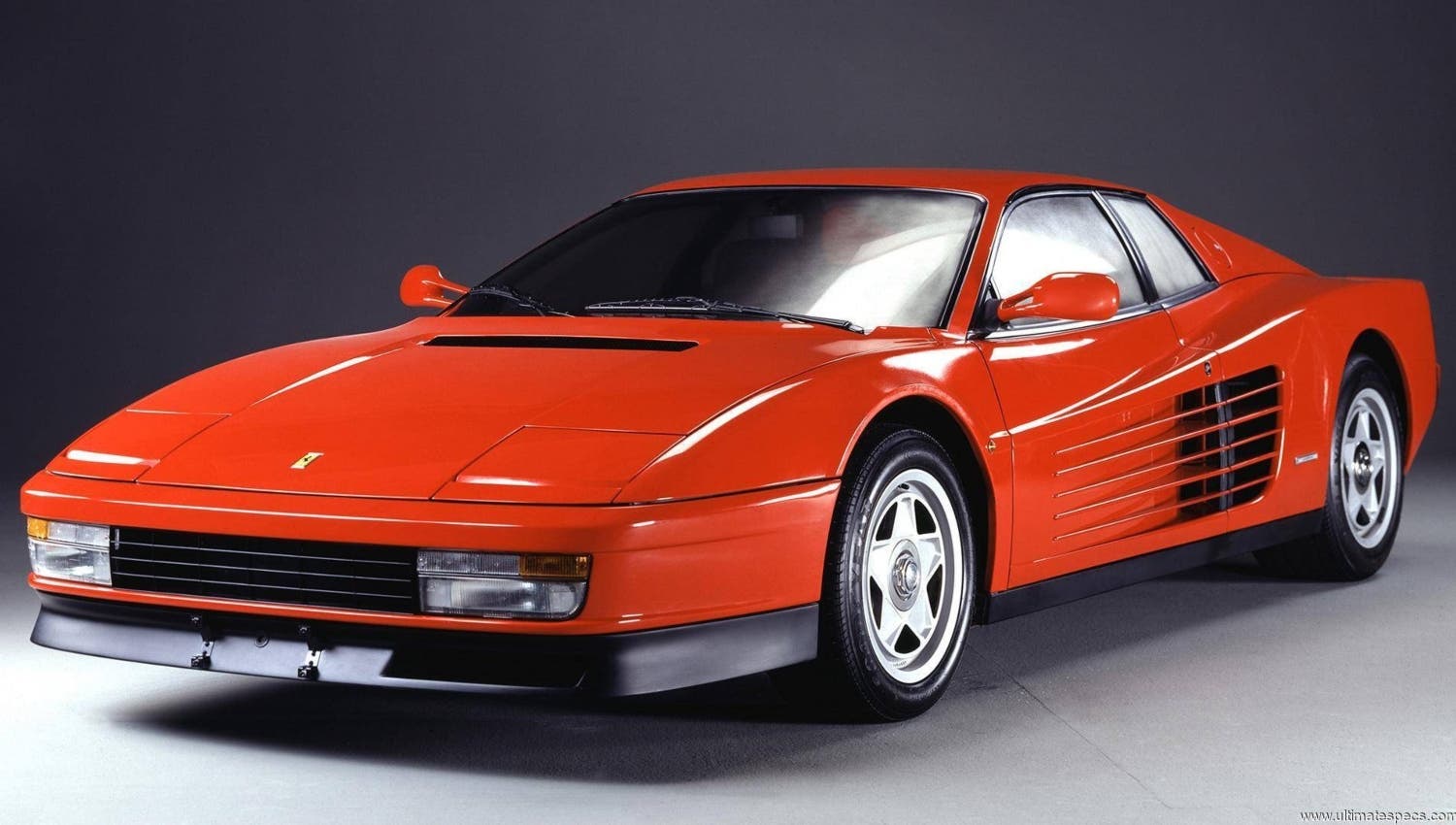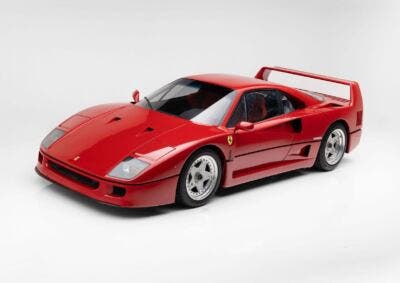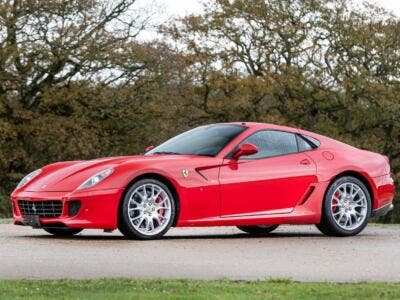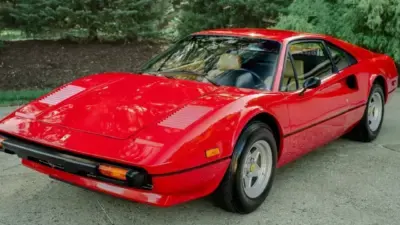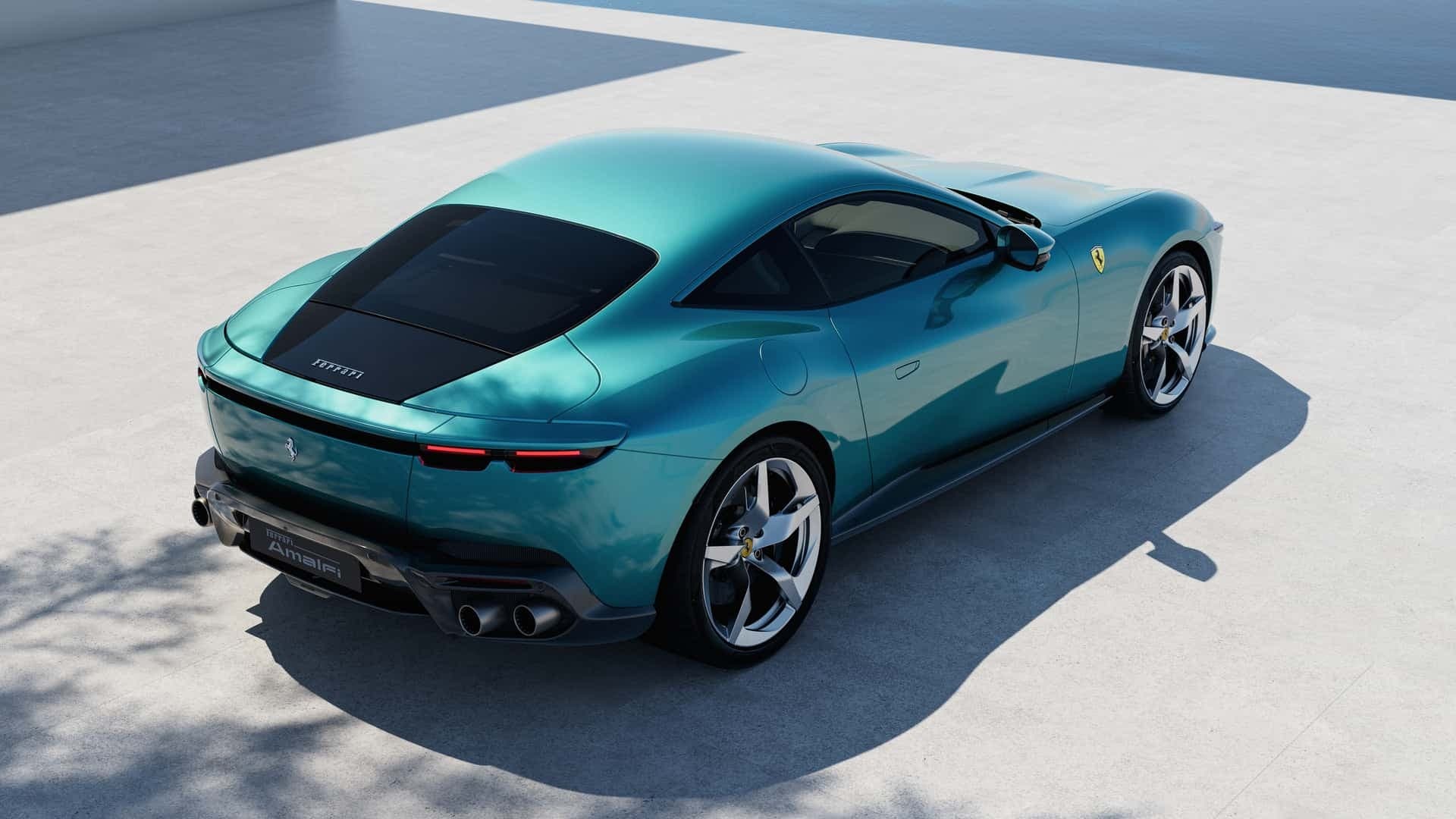
The luxury car market in the United States is set to grow significantly over the next decade. This outlook emerges from a study conducted by Boston Consulting Group in collaboration with duPont REGISTRY Group, which outlines a rapidly expanding scenario marked by a gradual shift in consumer preferences. Ferrari and Porsche remain the most desired brands overall, capable of appealing across all age groups. Among millennials and Generation Z, however, the study highlights a greater openness toward other manufacturers, including less iconic names.
One of the most relevant findings of the analysis concerns the expected growth rate of the luxury segment, estimated at between 5 and 7 percent per year. This projection reflects widespread confidence in the strength of the US economy over the medium to long term. According to the estimates, by 2035 the total value of the US luxury car market could reach between 180 and 215 billion dollars, nearly doubling from the current level of around 110 billion.
US luxury car market poised to double over the next decade
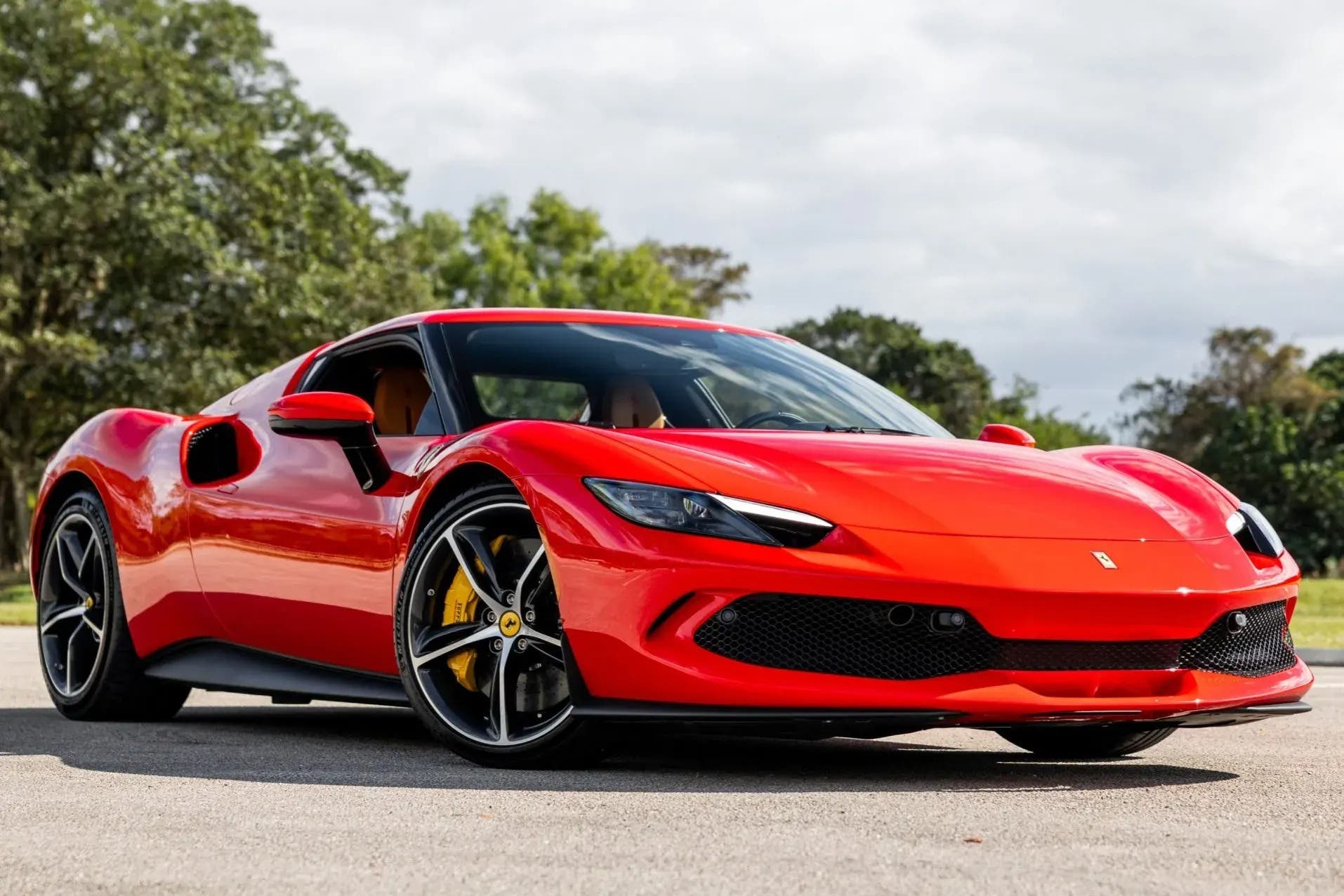
In the report, the definition of a “luxury car” is based on purchase price and includes all models valued at 100,000 dollars or more. Within this ecosystem, the share of high-end vehicles is expected to increase further. Particularly noteworthy is the forecast for the luxury used-car market, which should grow at a pace about one and a half times faster than that of new vehicles.
The reason lies in the fact that supercars and top-tier models represent a dream for many buyers, but they are not always accessible as new purchases. The secondary market therefore becomes a concrete way to approach exclusive models with a lower investment. Even buyers with strong purchasing power tend to carefully assess the balance between desire and actual value. The appeal of luxury cars remains extremely strong, but access routes are changing, and industry players must recognize these signals to stay competitive.
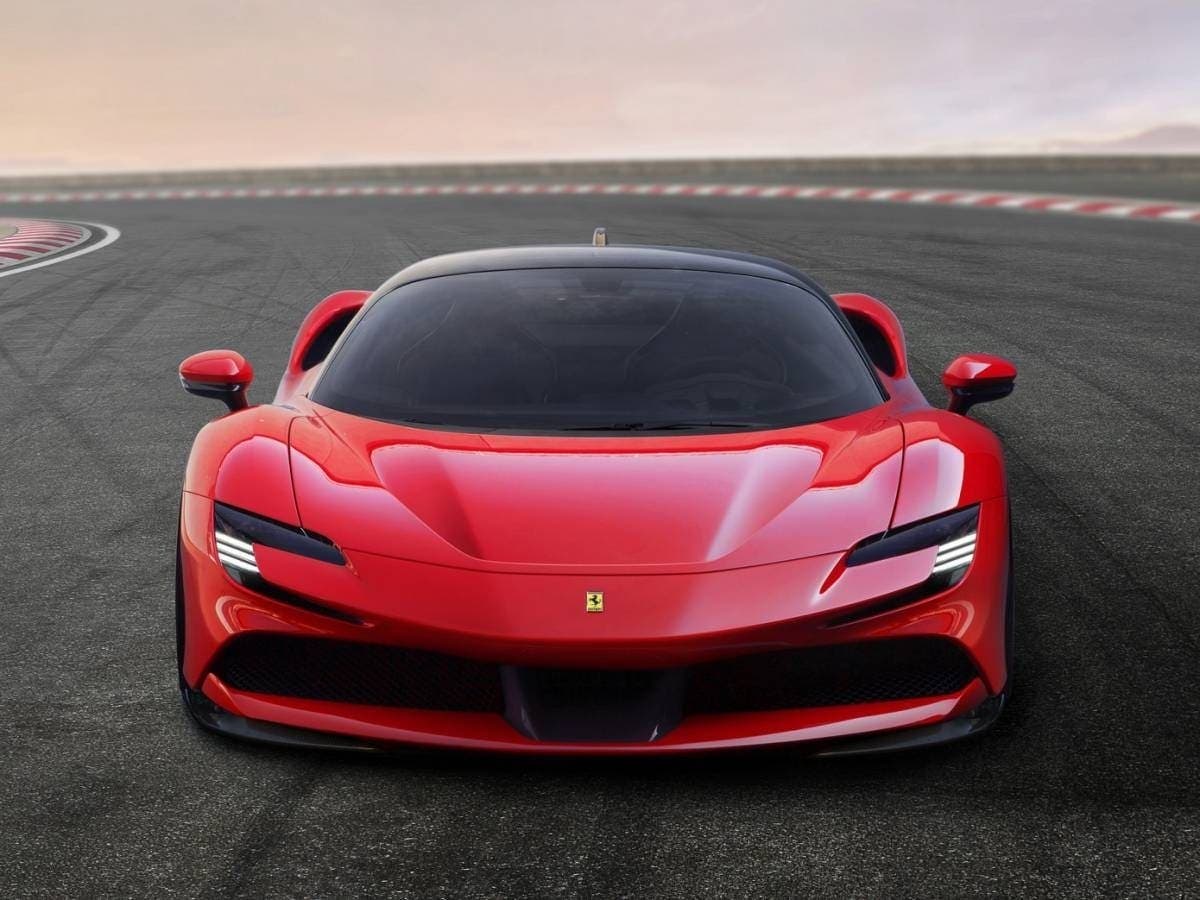
The study also highlights an evolution in purchasing motivations. Across all age groups, about one third of potential customers are driven primarily by emotional factors. Somewhat unexpectedly, more mature buyers show a stronger attraction to technological innovation and to owning the latest available model. Younger consumers, by contrast, tend to view luxury cars as a personal reward for achievements reached or as a potential form of investment.
Millennials and Generation Z also display greater familiarity with digital platforms and a higher propensity to purchase online compared to other generations. Despite this, the physical channel remains central for all buyers, with authorized dealerships continuing to serve as the main reference point in the purchasing process. Digital tools have nonetheless become an integral part of the experience, used across the board to gather information, compare options, and build desire. For this reason, brands and industry players are increasingly called upon to develop online content that is refined, engaging, and fully aligned with premium positioning, in order to strengthen the emotional connection with a new generation of customers.