

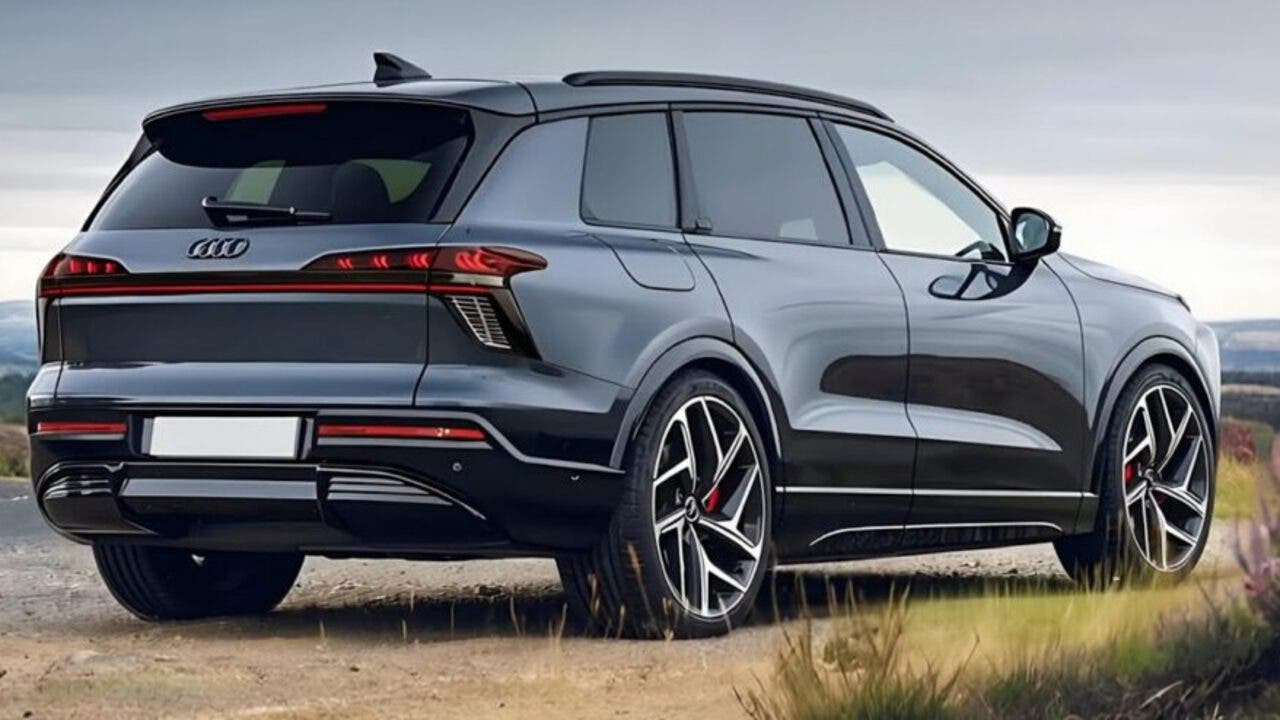
The sedan is dead. Audi made it official, or close enough, by the Q9, a full-size luxury SUV set to debut in 2026 and effectively push the legendary A8 off the flagship throne. It’s not a minor lineup reshuffle. It’s a cultural statement dressed in aluminum.
The upcoming Audi Q9 will sit above the already substantial Q7, bringing with it a cabin sized for people who consider legroom a non-negotiable human right. Under the skin, Volkswagen Group’s Premium Platform Combustion architecture, updated to accommodate advanced hybrid powertrains. Tthere’s a combustion engine, and no, Audi isn’t apologizing for it. Efficiency matters, but so does the ability to merge onto a California freeway without praying.
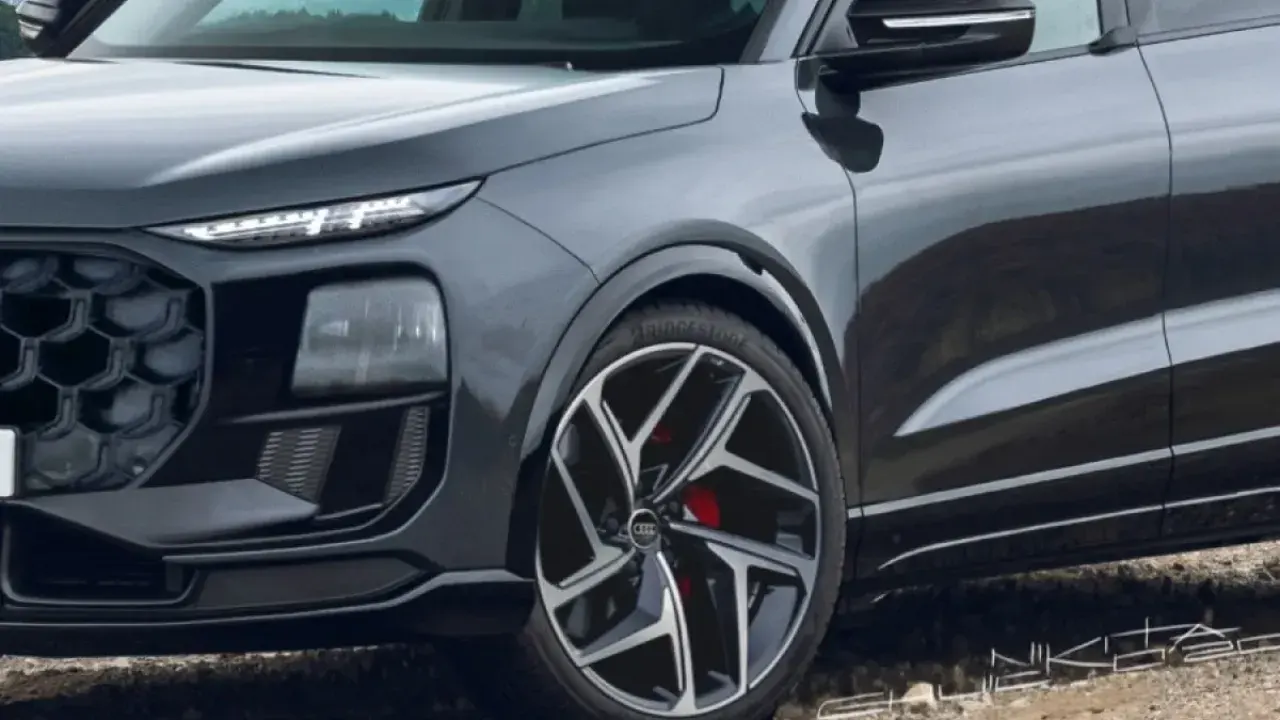
Speaking of which, the American market is a big part of why this thing exists. In the US, large luxury SUVs consistently outsell premium sedans by a margin that makes CFOs sleep well at night. Audi read the room. Europe is warming up to the format too, though the continent’s tightening emissions regulations mean the giant Audi Q9 will need to justify its size with credible electrification credentials. The PPC platform should help. Should.
For those who want the full unapologetic experience, Audi is reportedly planning her majesty SQ9 variant powered by a twin-turbocharged 4.0-liter V8, because some customers simply refuse to grieve the internal combustion engine quietly.
There’s also a strategic subplot worth noting. The future Audi Q9’s platform will be shared with Porsche, which plans its own version between 2027 and 2028. Same bones, different souls. Audi plays the comfort-and-tech card; Porsche plays the driving-dynamics card. Whether buyers, and brand managers, can keep the two straight is the real challenge.
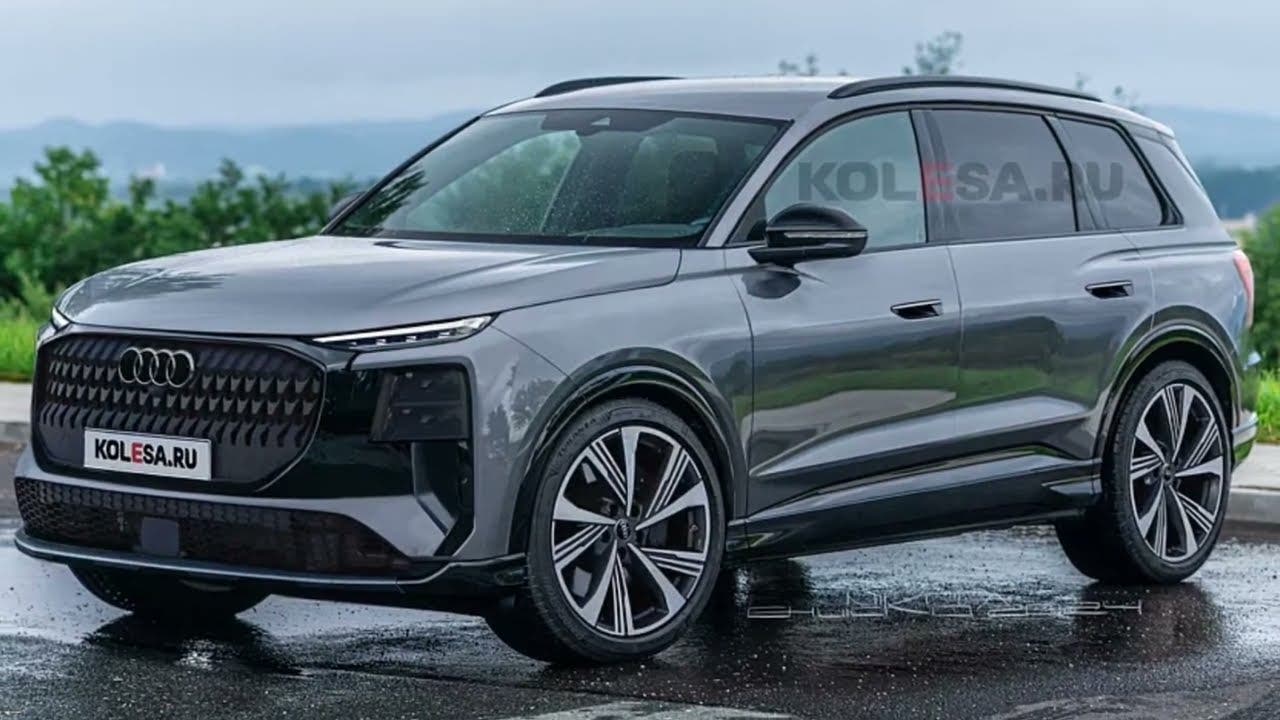
The new Q9 isn’t just Audi’s new flagship. It’s the automotive industry’s latest proof that the SUV didn’t kill the luxury car. It became it.