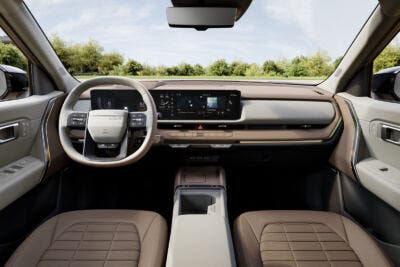
In recent years, touchscreens have taken over car interiors, growing larger and more central in the control of onboard functions. However, not everyone welcomes this approach. In fact, many drivers now see oversized screens as more of a nuisance than a benefit. Large digital surfaces do not always feel intuitive to use and, more importantly, they can distract drivers, with clear negative consequences for safety. As a result, after extensive customer criticism, Kia has decided to follow the same path as Volkswagen and take a step “back to basics.”
Kia follows Volkswagen by bringing physical buttons back to car interiors
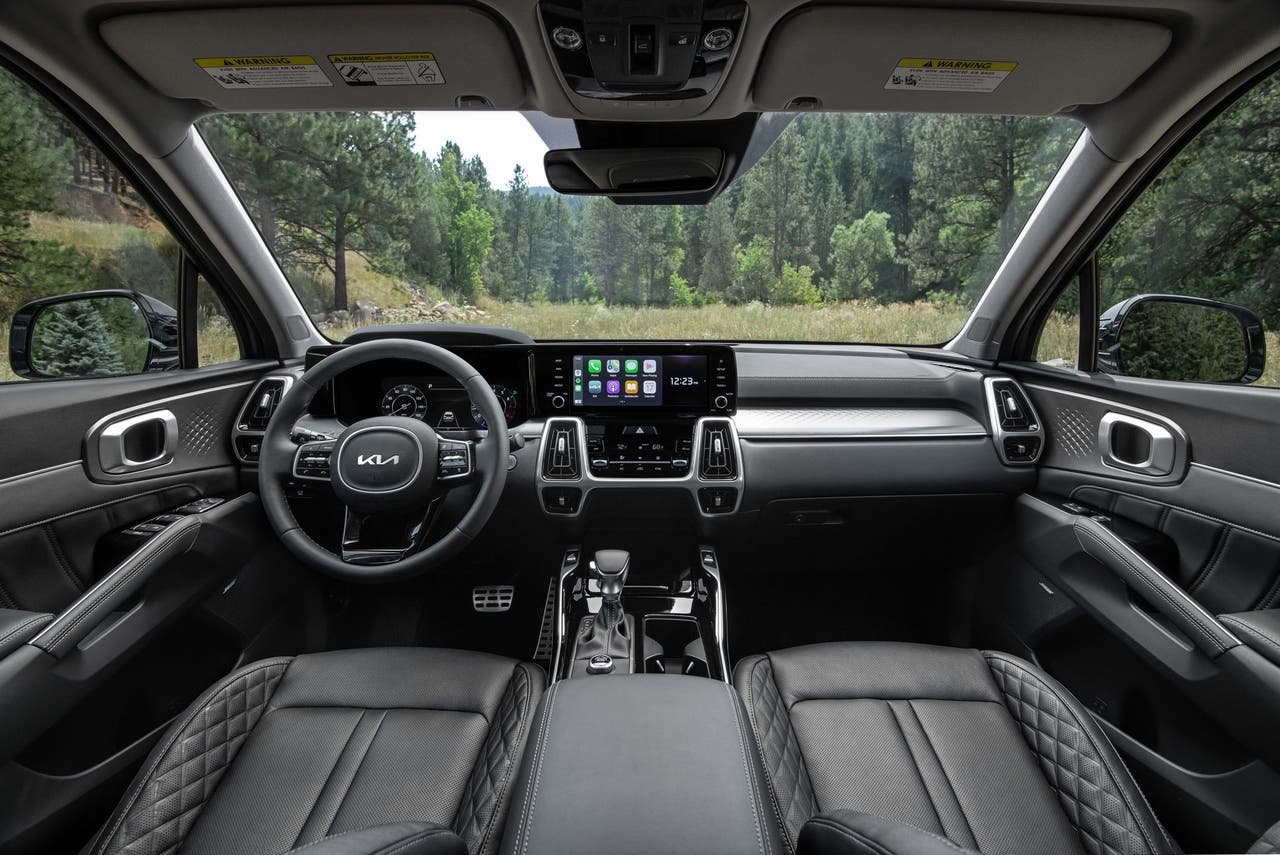
The idea focuses on offering interiors that appeal both to drivers who appreciate advanced digital interfaces and to those who still prefer traditional controls, allowing the two solutions to coexist. In upcoming models, screens will remain part of the cabin and will continue to offer increasingly sophisticated software, but Kia will also bring back physical buttons for the most important functions.
A very simple principle underpins this decision. Some actions need to happen instantly, with no room for error. Adjusting the temperature, changing the volume, or activating an essential feature should not require digging through menus and submenus. Drivers frequently cite this issue as a major source of frustration, especially when they must take their eyes off the road for even basic tasks.
According to Kia’s interior design leaders, the goal is to make the driving experience as intuitive and natural as possible. From this perspective, physical controls remain extremely valuable, particularly because they allow drivers to operate functions by muscle memory, without looking at a screen.
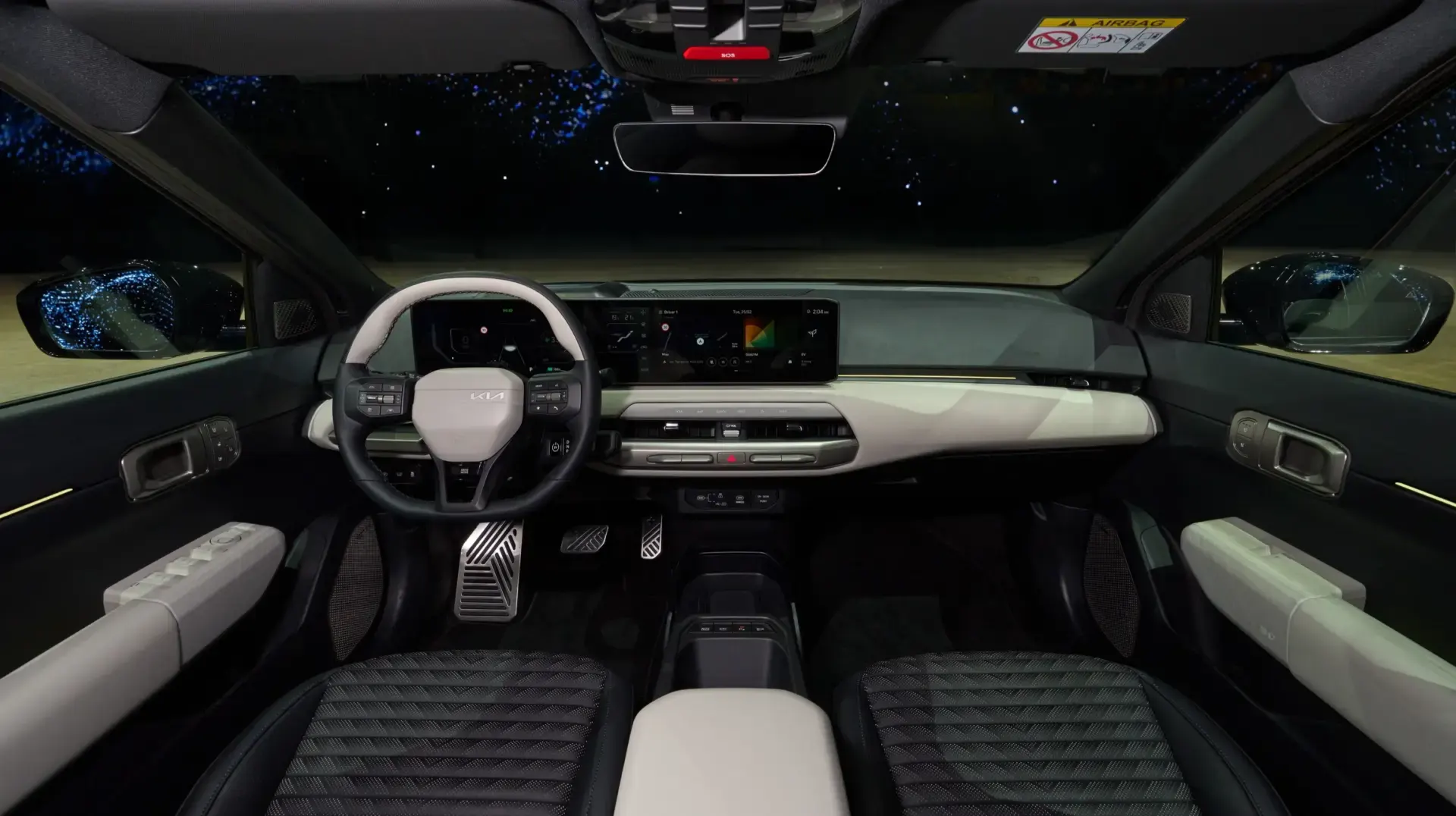
By analyzing very different markets, Kia has found that user expectations remain surprisingly similar regardless of country. Drivers everywhere raise the same complaints about overly complex interiors and hybrid solutions that try to do everything but fail to excel at anything. One example involves touch-sensitive panels that switch between climate control and infotainment functions, convenient on paper, but not always intuitive in daily use.
As a result, future interfaces will need to genuinely simplify life for drivers. The era of innovation for its own sake appears to be drawing to a close, giving way to a phase where effectiveness and simplicity deliver real value. Some automakers, particularly in China, have already introduced surprising and unconventional solutions. The real challenge now lies in turning those ideas into mature systems that truly improve the driving experience, without forcing drivers to divert their attention for simple actions such as adjusting the climate control or the audio volume, especially because consumer safety remains at stake.