

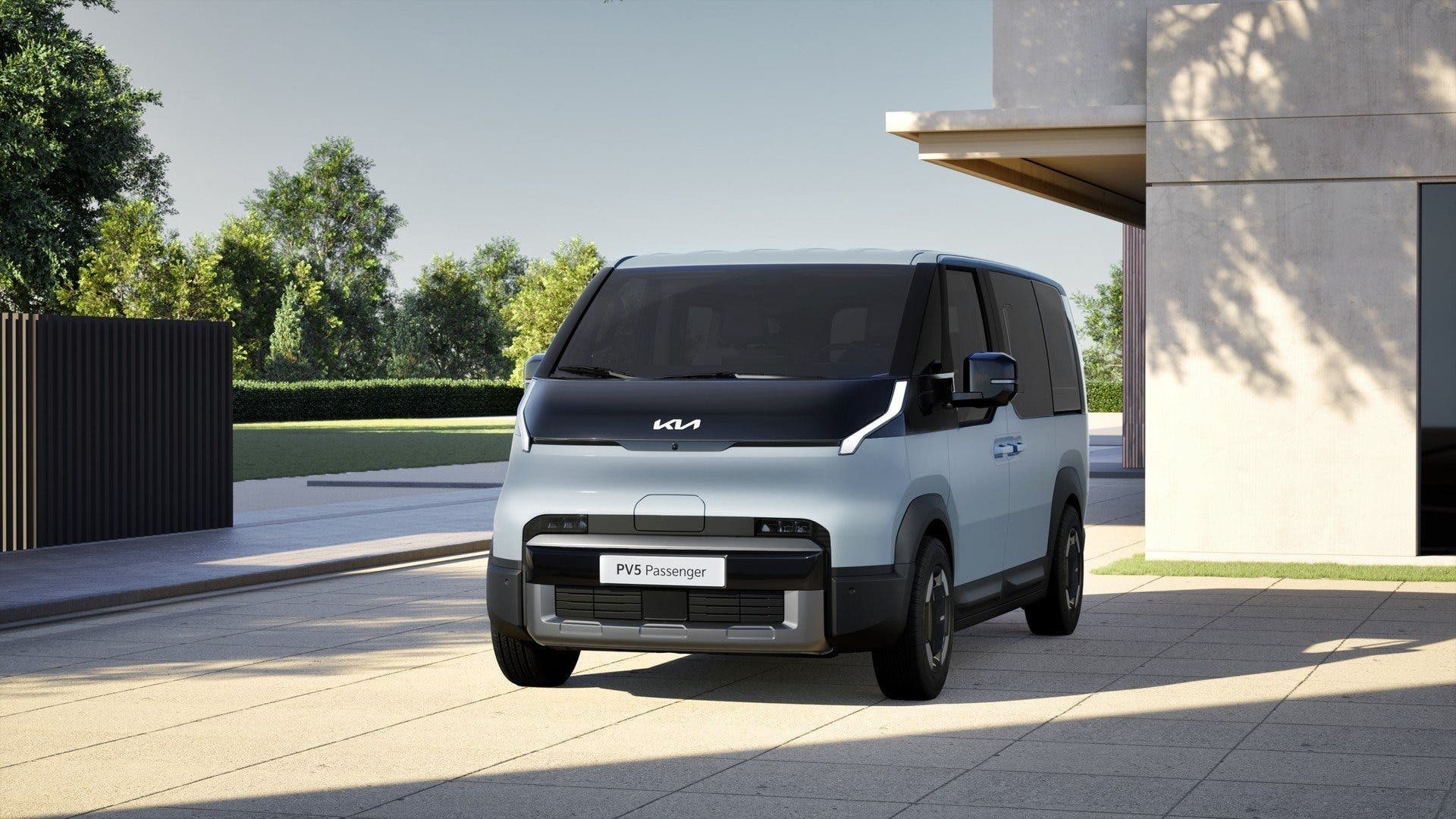
The Kia PV5 is recording a stronger commercial response than Kia itself had expected, with more than 8,100 units sold globally in the first quarter of 2026 and a share of around 9% in the European electric light commercial vehicle market. For a manufacturer that entered the electric van segment in a structured way only with this model, these early numbers represent a result that is already forcing Kia to review distribution plans and market priorities.
Kia PV5 demand beats expectations as supply already comes under pressure
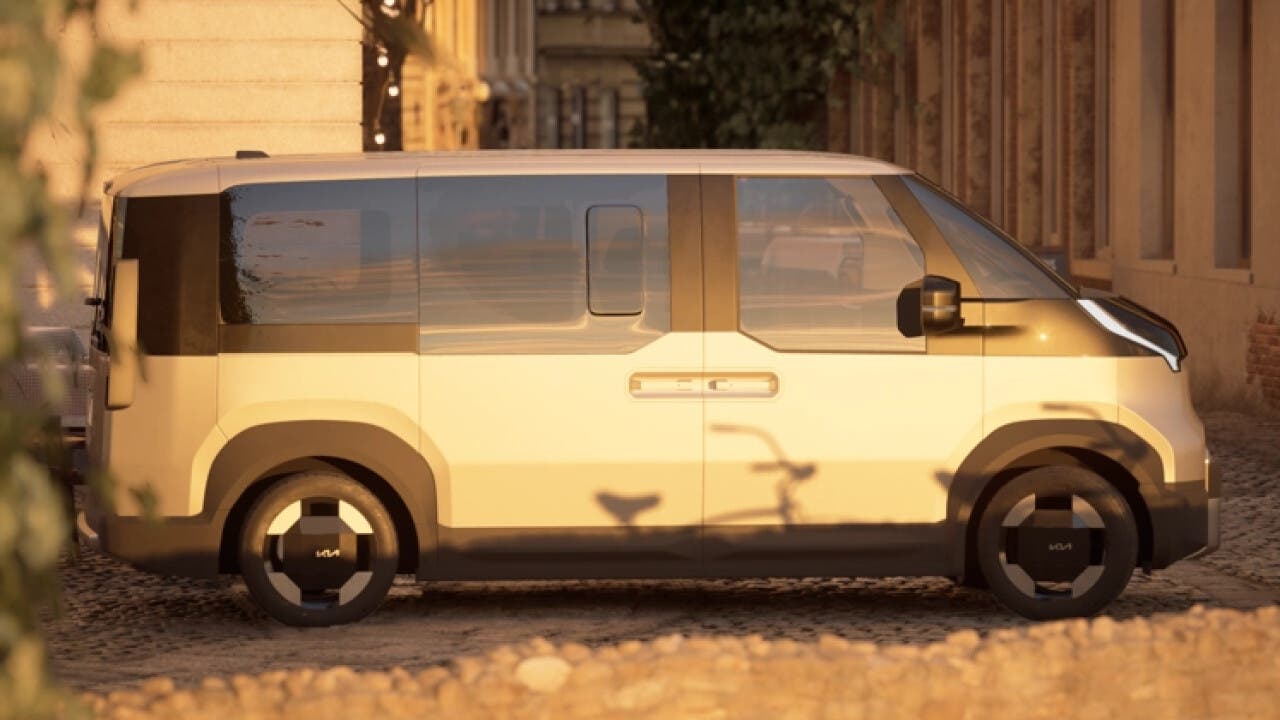
The Kia PV5 is the first product in the Korean brand’s new family of professional and multifunction vehicles, developed around a modular approach designed for families, professionals and fleets. Its recognition as International Van of the Year 2026 has strengthened the project’s credibility among business customers, helping the model gain traction quickly in a segment traditionally dominated by European manufacturers with an established presence in professional sales channels.
The main difficulty, however, now lies in managing demand. After launching in Europe and South Korea, the PV5 is preparing to enter Japan, Australia and Canada during 2026, but production capacity now has to support requests from markets competing for the same units. Roland Rivero, Kia Australia’s head of product planning, identified supply as one of the main challenges, explaining that the model’s global success, especially in Europe, means each national division has to negotiate its own allocation of vehicles. The Australian branch is initially targeting around 50 units per month, although it believes potential demand could be higher.
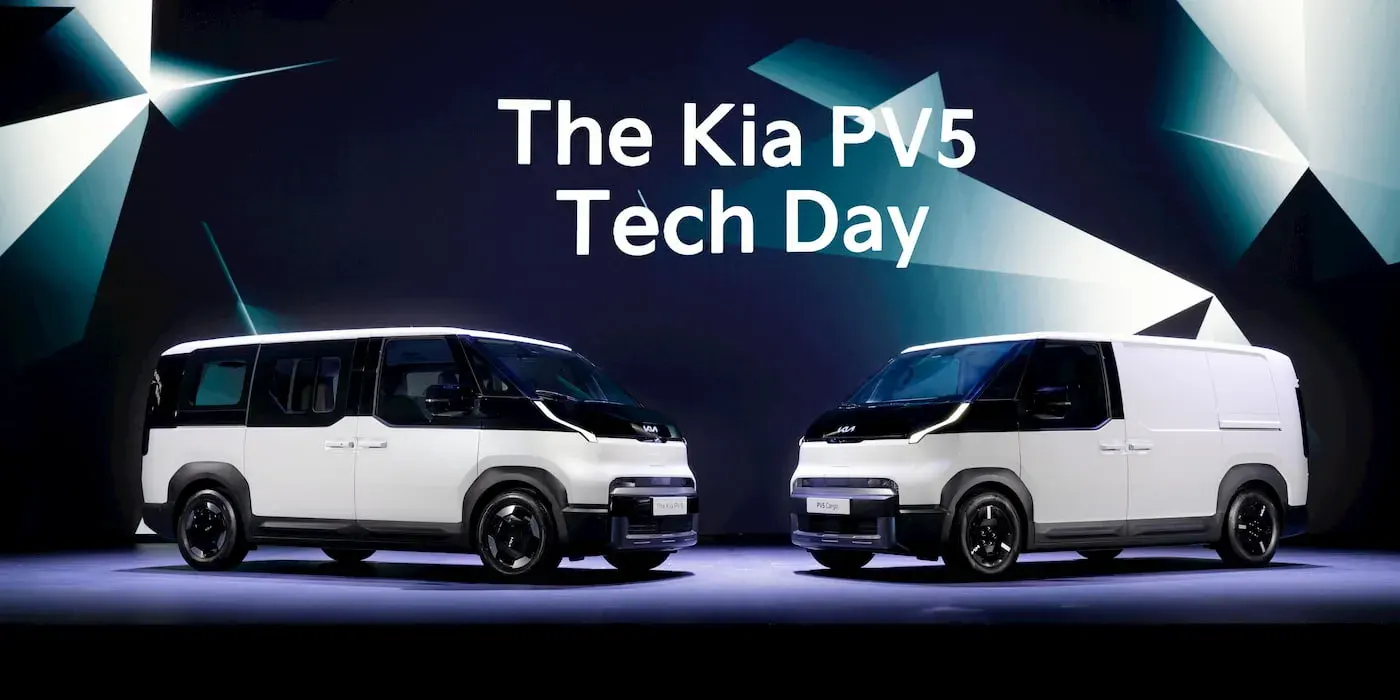
The real unknown for Kia is how to distribute volumes between markets where the PV5 is already gaining momentum and countries where it has yet to make its debut. Taking units away from Europe to serve Australia or Canada could slow its commercial push, but a launch that is too cautious in new markets could also make Kia miss the right moment. For fleets and companies, delivery times matter as much as the product itself, and a van that cannot be obtained within a reasonable timeframe risks losing ground to rivals already available at dealerships. Much will depend on how quickly Kia can adjust production to demand that, at least for now, is growing faster than supply.