

Jeep ended March with 10,118 registrations in Brazil and reached a total of 27,246 sales in the first quarter of 2026, up 3 percent from the same period last year. Those figures confirm the brand’s strength in one of its most important South American markets, supported by a locally built lineup that has already received significant updates across all its main models in the first months of the year.
Jeep sales rise in Brazil as Compass, Renegade, and Commander gain new technology
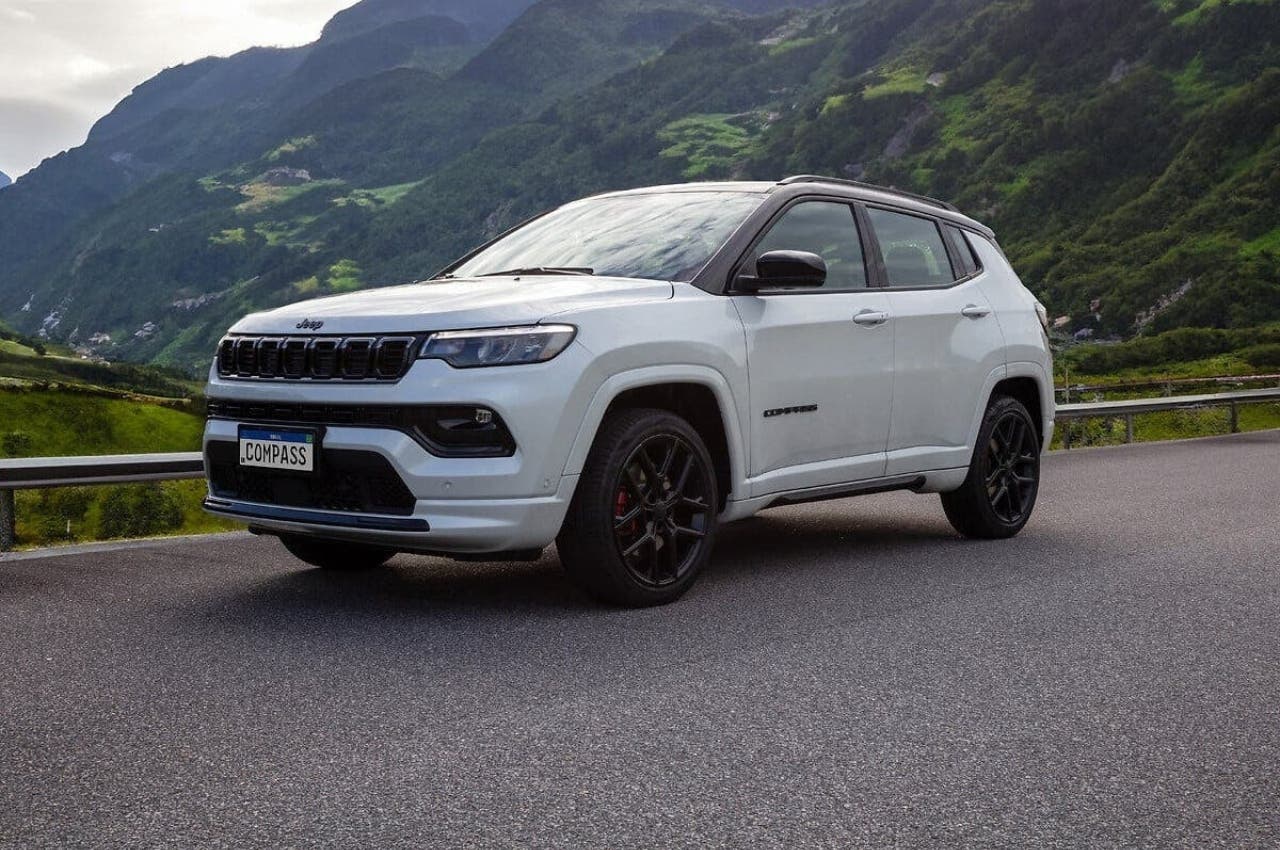
The Compass continues to drive most of the volume. It has led the midsize SUV segment in Brazil for years, and in March it posted 5,435 units, bringing its first-quarter total to 14,106, up 11 percent from the first three months of 2025 and equal to a 22.4 percent segment share. The first quarter also brought major product news for the model, with the January debut of the 272-horsepower Hurricane Flex engine in the Blackhawk version, a powertrain that strengthens the Compass’ position at the top of the range.
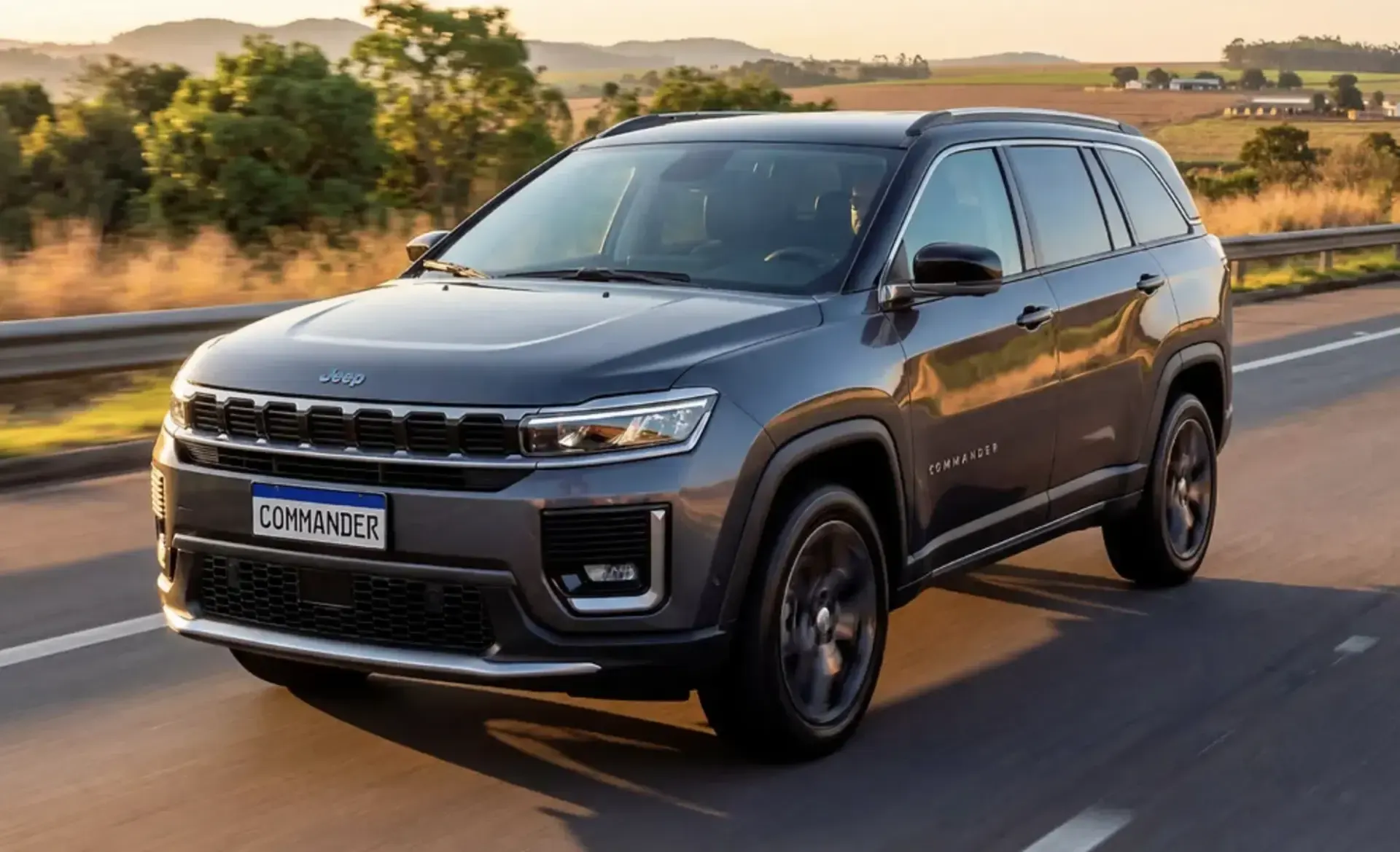
The Commander remains a benchmark among seven-seat SUVs in the Brazilian market, with 1,355 registrations in March and 4,056 units in the quarter. Current estimates point to possible growth of 16 percent across full-year 2026. Jeep has also upgraded the model with 48-volt mild-hybrid technology and the Hurricane Flex engine, significantly broadening its technical offering.
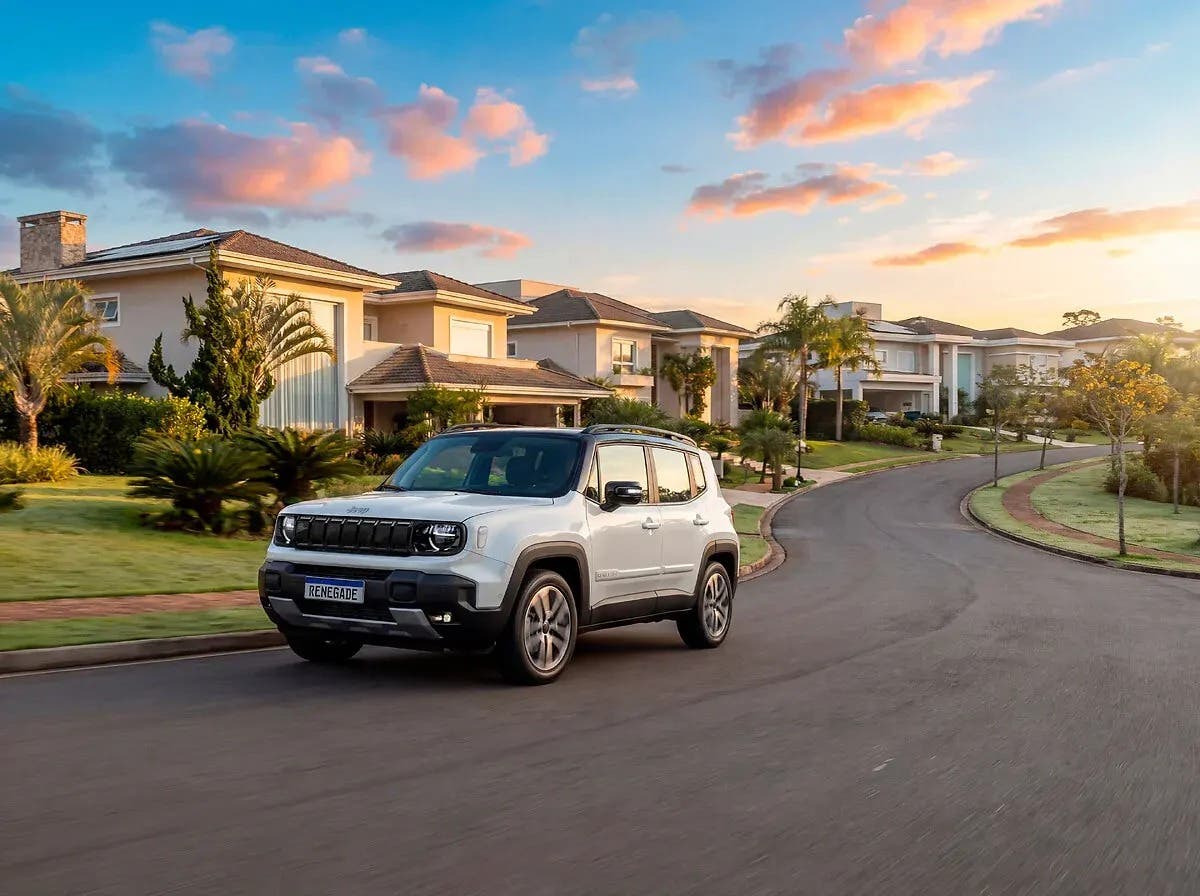
The Renegade ended March at 3,319 units and closed the first quarter with 9,057 sales. In the opening months of 2026, Jeep gave the model what many are calling its most important update since launch by introducing 48-volt MHEV versions, refreshing the technical profile of a model that still moves strong volume in Brazil. Jeep will also add the long-awaited Avenger later in 2026, expanding the brand’s lineup in the country even further.
According to Hugo Domingues, Jeep’s head for South America, the quarter paints a positive picture not only in terms of volume but also in terms of product direction. He sees the arrival of hybrid technology and new engines across the Brazilian lineup as an important step for Jeep’s competitiveness in the market’s most contested segments. At the same time, these updates fit into Stellantis’ broader decarbonization strategy in the region without giving up the power and features Brazilian customers still want.