

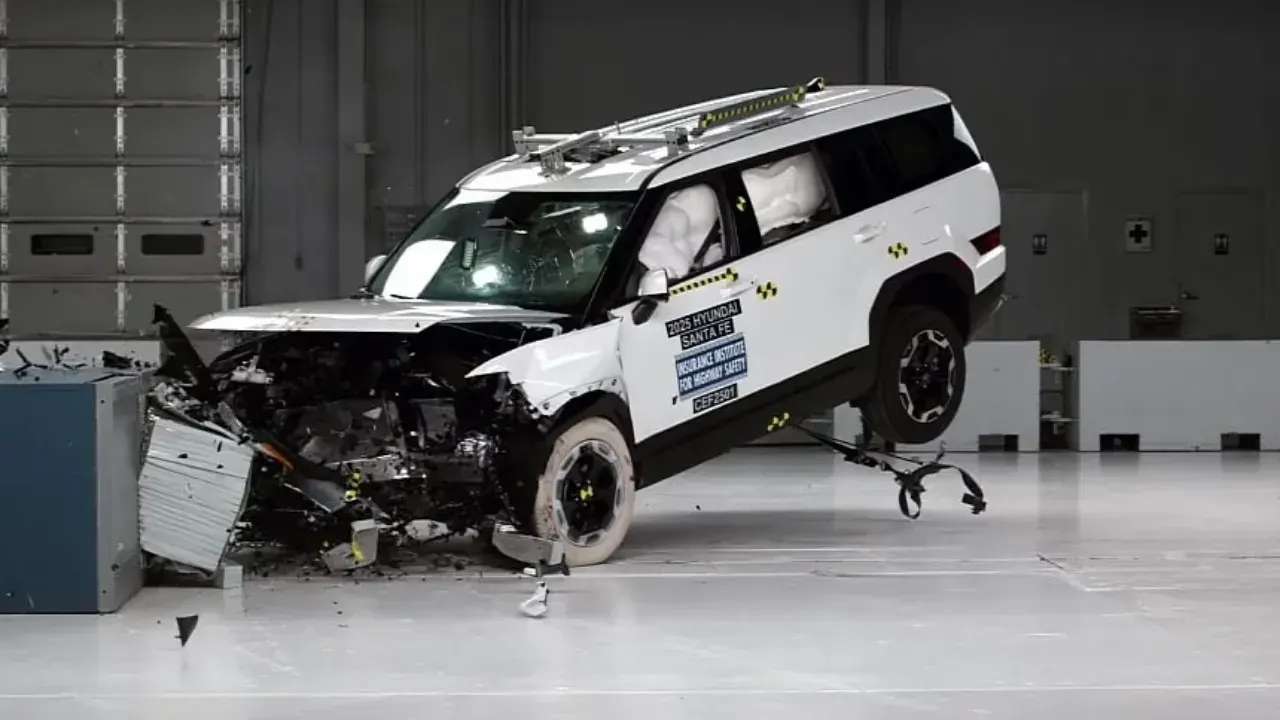
For 2026, the Insurance Institute for Highway Safety raised its certification standards significantly, introducing stricter thresholds for rear passenger protection and collision prevention systems.
The moderate overlap front crash test now requires a “good” rating to even qualify, an “acceptable” score, enough to pass in 2025, no longer cuts it. TSP+ designation additionally demands “good” ratings across small overlap front, side, and pedestrian front crash prevention tests, plus an “acceptable” or “good” score in the updated vehicle-to-vehicle front crash prevention 2.0 evaluation. The bar went up, and a few manufacturers quietly broke a sweat.
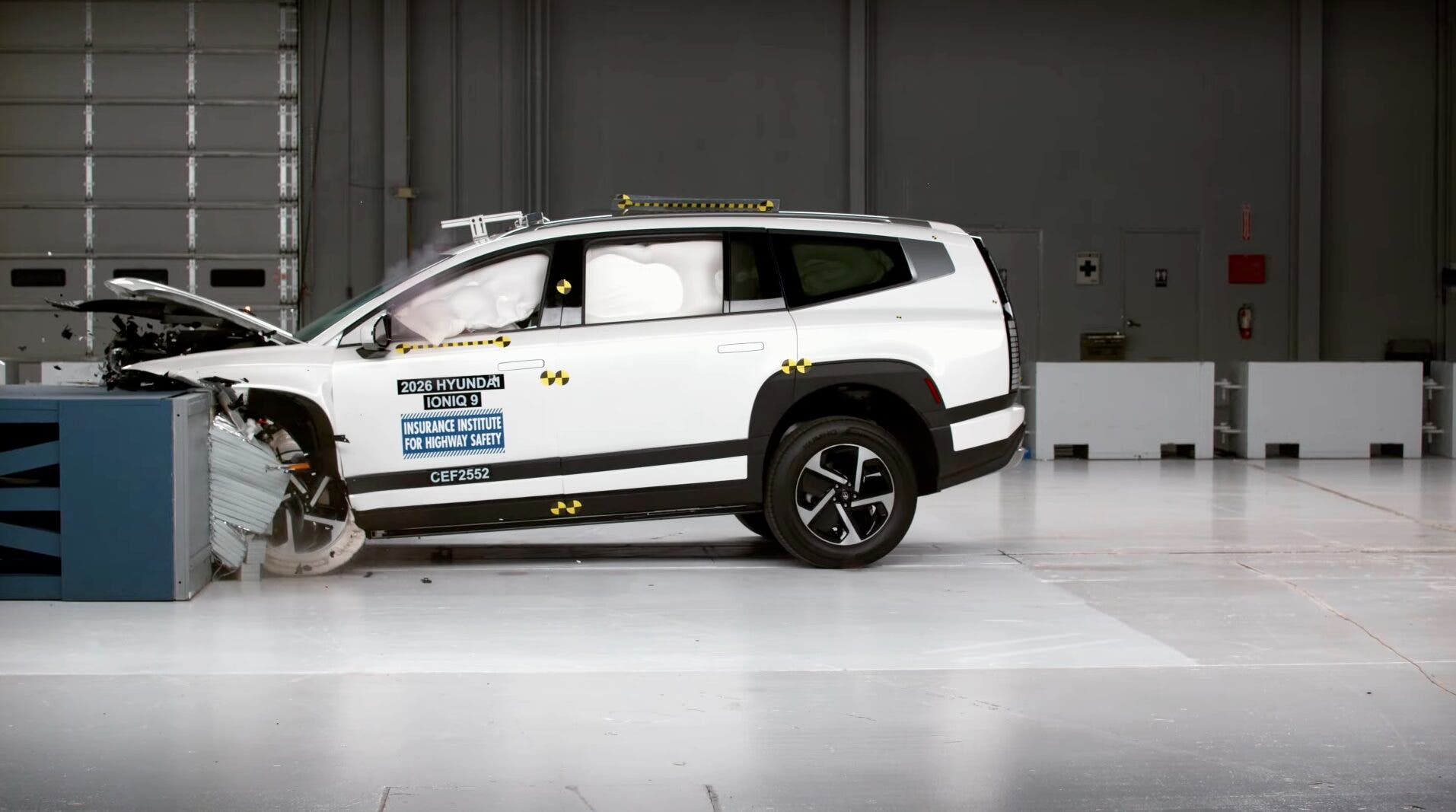
Hyundai didn’t. The Korean automaker walked away with six TSP+ awards, for the Ioniq 5, Ioniq 9, Sonata, Kona, Tucson, and Santa Fe, and a TSP designation for the Elantra. Seven models certified under a tougher rulebook than last year.
IIHS president David Harkey put it bluntly. Rear passenger protection is now a requirement, not an optional upgrade. He also made clear that collision prevention systems need to actually work at higher speeds and around pedestrians. A reasonable expectation that, apparently, still needs to be spelled out.
On the federal side, the NHTSA added its own endorsement. Eleven 2026 Hyundai models earned five-star overall safety ratings under the New Car Assessment Program, including the Elantra, Sonata, Ioniq 6, Ioniq 9, Tucson, Santa Cruz, and the Santa Fe in both standard and hybrid configurations. Five stars across the board, on models that range from a compact sedan to a three-row SUV.
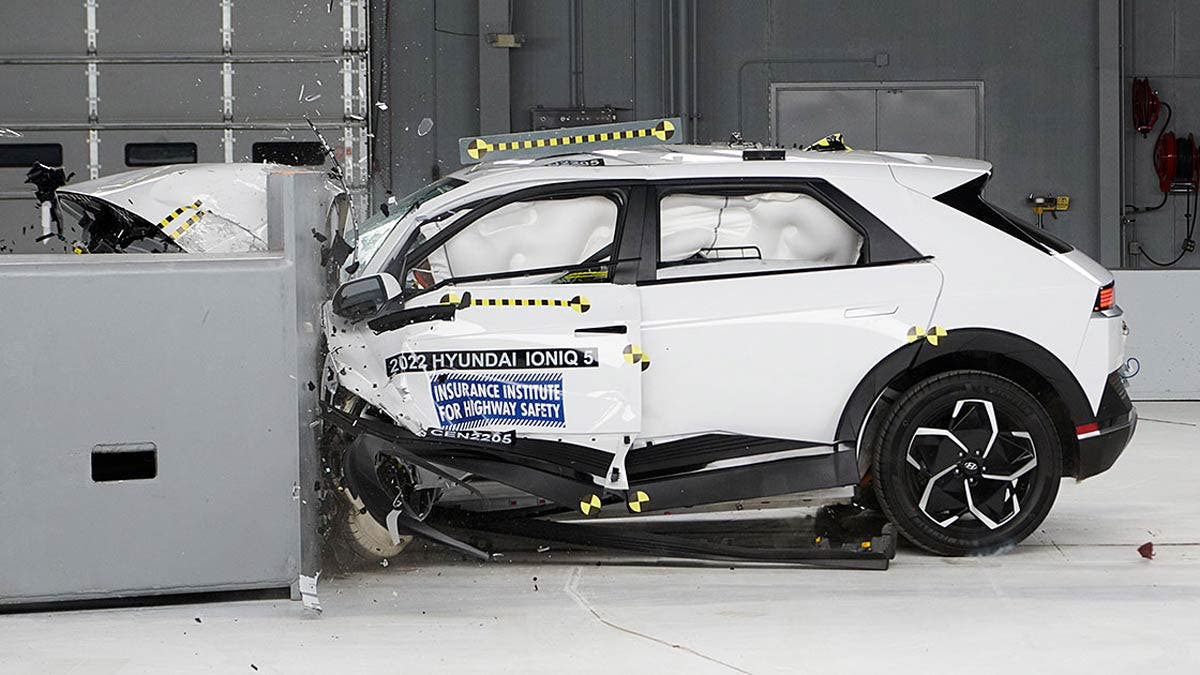
The timing is worth noting. As the industry debates range anxiety, software-defined vehicles, and who owns the data your car collects while you sleep, Hyundai spent the year making sure the people inside its cars survive a crash. Refreshingly old-fashioned of them.
Safety ratings won’t win a Super Bowl ad slot, and they rarely trend on social media. But when a tougher test shows up and your lineup clears it without drama, that says more about a brand’s actual priorities than any marketing campaign ever could.