

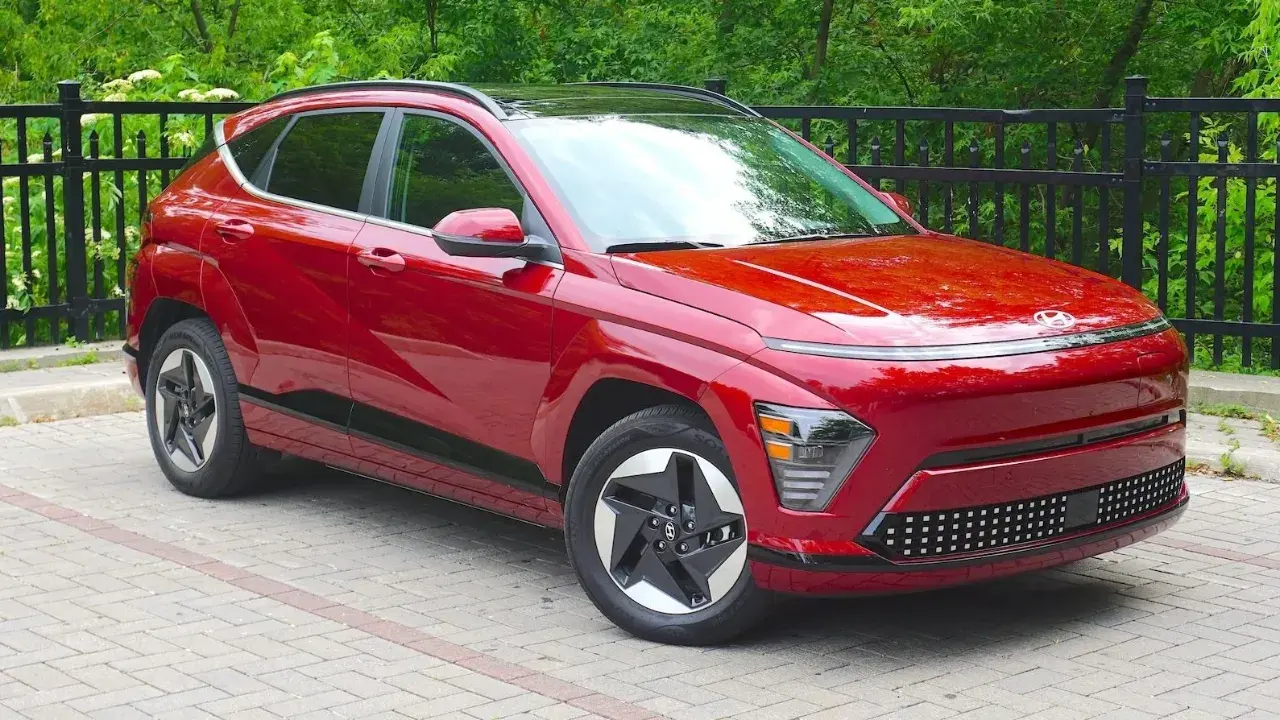
Hyundai‘s Kona Electric is taking what the company delicately calls “a brief pause” from the US market. The cheapest electric offering in Hyundai’s American lineup is gathering dust on dealership lots, so they’re hitting the brakes on production. The assembly line at the South Korean plant has already gone quiet for US-spec models, with no 2026 model year version planned.
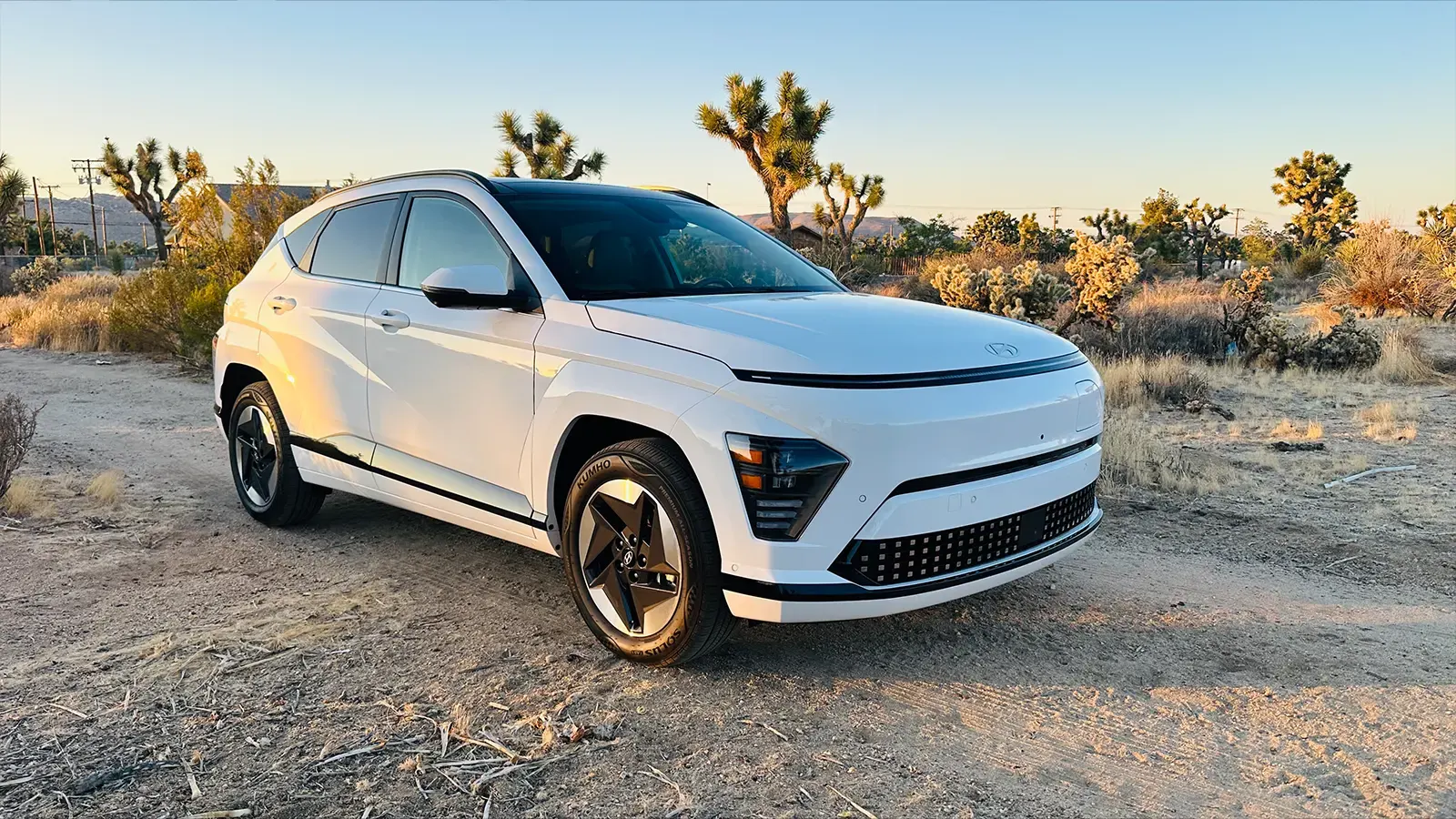
A company spokesperson delivered the news with the kind of diplomatic language that would make a UN negotiator proud: “There is adequate stock of the 2025 Kona Electric to manage consumer demand at this time”. They’ve got plenty of cars nobody seems particularly eager to buy.
The numbers tell a story Hyundai would rather not highlight. Last year, the Kona Electric moved roughly 3,011 units across the United States, a 41% nosedive compared to 2024, according to Cox Automotive. Hyundai itself doesn’t break out specific sales figures for the electric Kona, perhaps wisely avoiding the headache of explaining that particular disaster.
Still, this isn’t a death sentence, at least not officially. Production is expected to resume in June with the 2027 model year, the spokesperson assured. The briefly-announced 2026 version had already been relegated to afterthought status anyway, offering just one trim level with the smallest available battery and a slightly larger console tray as its sole distinguishing feature.
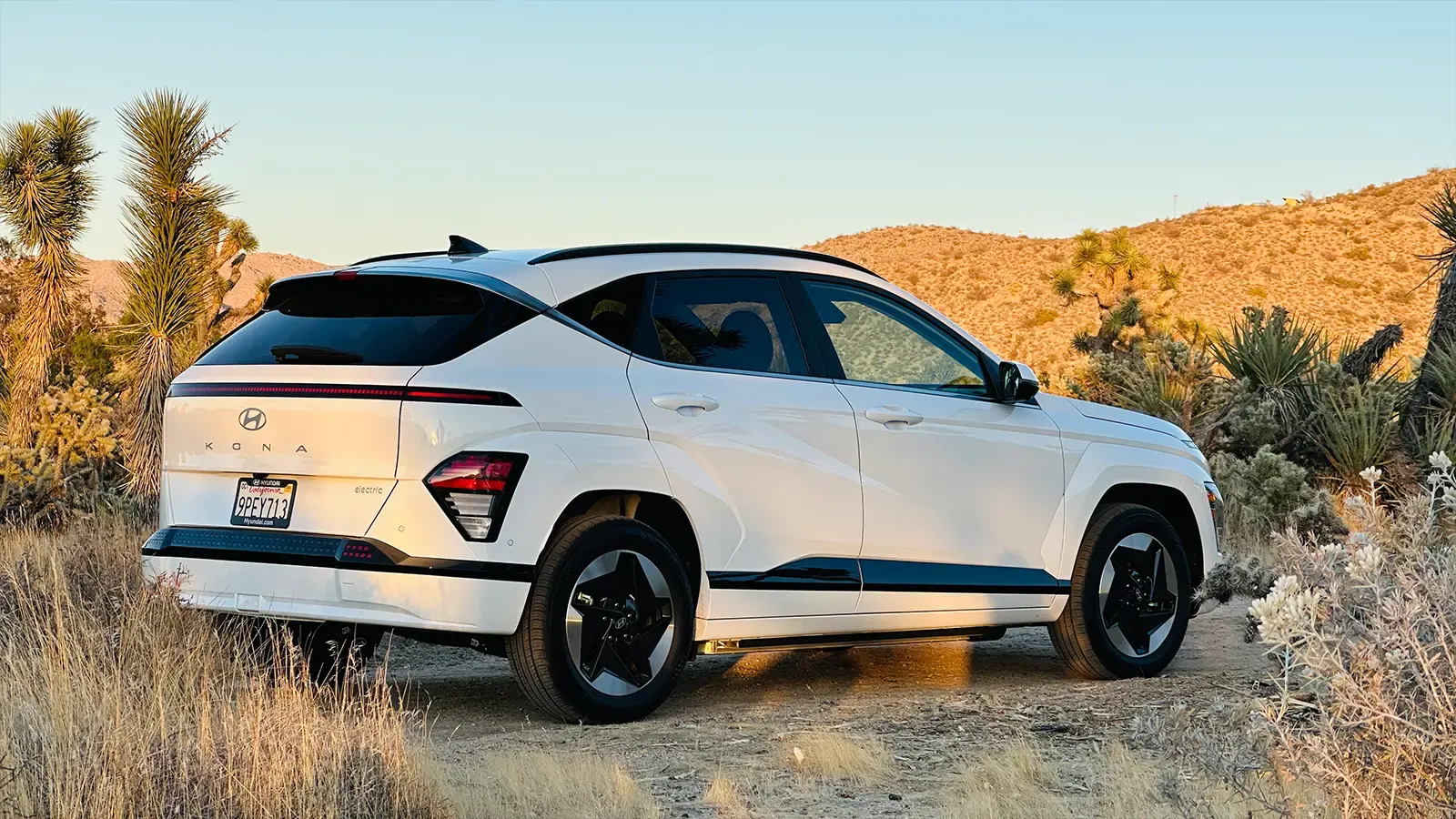
The current 2025 Kona Electric remains available in SE, SEL, N Line, and Limited trims, with two battery options. The Standard Range packs 48.6 kWh for an EPA-estimated 200 miles, paired with a 133-horsepower front motor. The Long Range variant bumps capacity to 64.8 kWh and range to 261 miles, with a more muscular 201-horsepower motor.
Hyundai isn’t alone in this awkward dance. After a brutal fourth quarter, automakers are reassessing every electric vehicle in their portfolios. Volkswagen suspended production of the ID. Buzz minivan for model year 2026, while Ford and Ram simply cancelled their electric pickup trucks outright.