

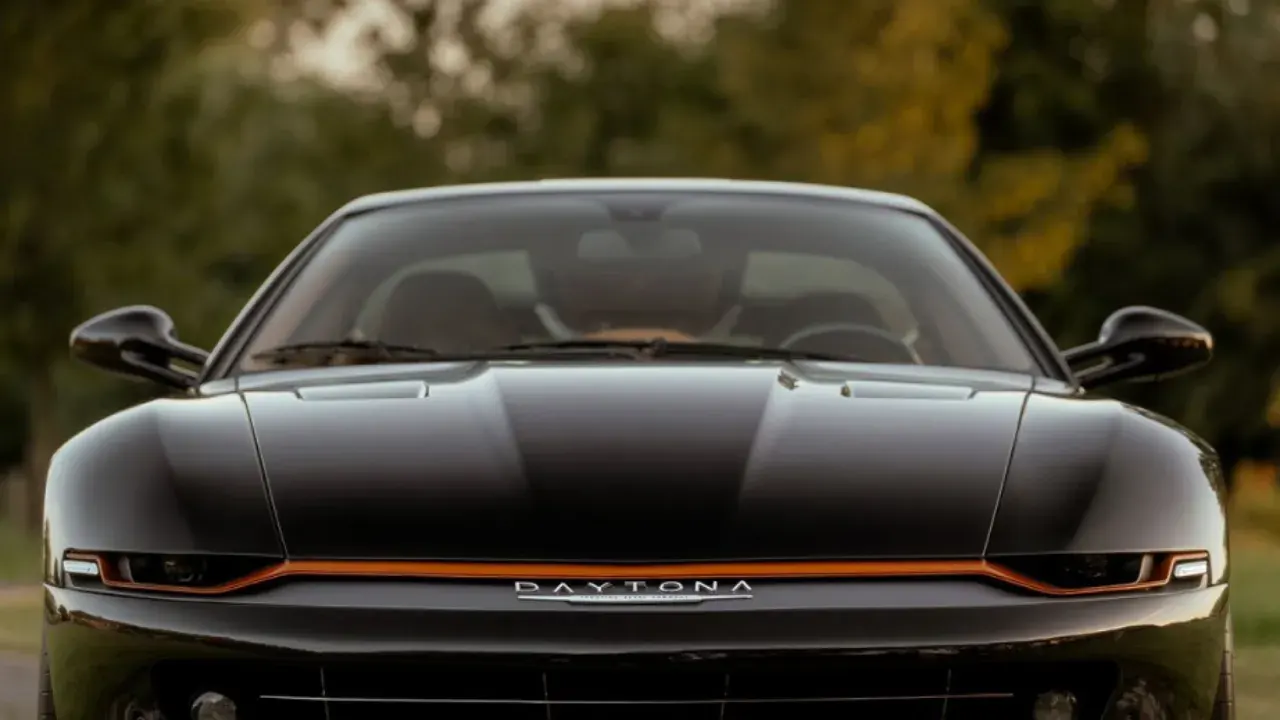
It took five agonizing years and fifteen thousand hours of literal manual labor. Someone took a perfectly good Ferrari 599 GTB and bashed pieces of hand-beaten aluminum against it until it stopped looking like a mid-2000s grand tourer and mutated into a rolling piece of art. Niels van Roij Design, a Dutch studio with a clinical addiction to impossible engineering tasks, has finally unveiled the Daytona Shooting Brake Hommage. The project was teased back in 2021 with a few ambitious sketches, followed by years of radio silence while hammers echoed in the workshop. Now, the madness is complete.
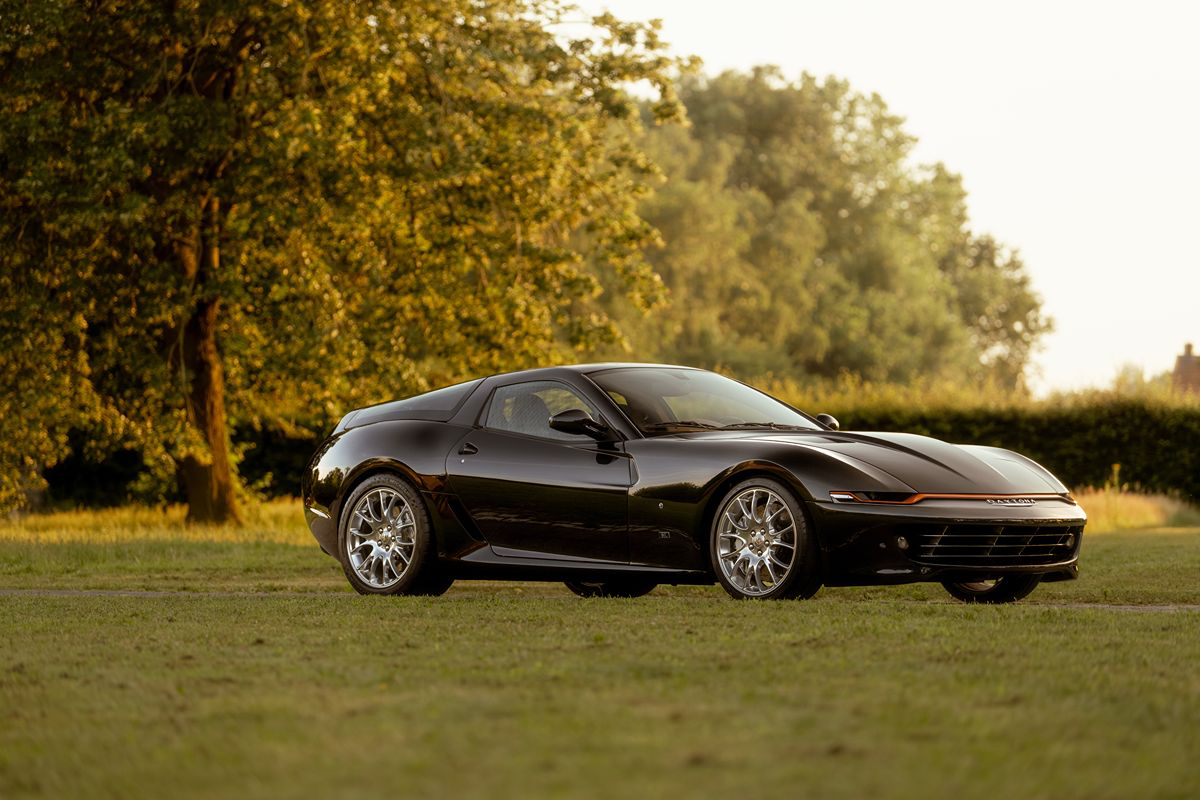
This coachbuilt experiment pays tribute to the legendary 1972 Daytona Shooting Brake, originally based on the iconic 365 GTB/4, back when eccentric bodybuilders actually had the audacity to turn a pristine V12 Ferrari into a station wagon.
Hilariously, while Van Roij was sweating over reshaping the 599’s stubborn modern chassis to match classic 1970s proportions, Maranello’s own corporate designers automotive-ghosted the project. They apparently peeked at the exact same historical homework, pasting those nostalgic 365 GTB/4 design cues straight onto the new factory 12Cilindri.
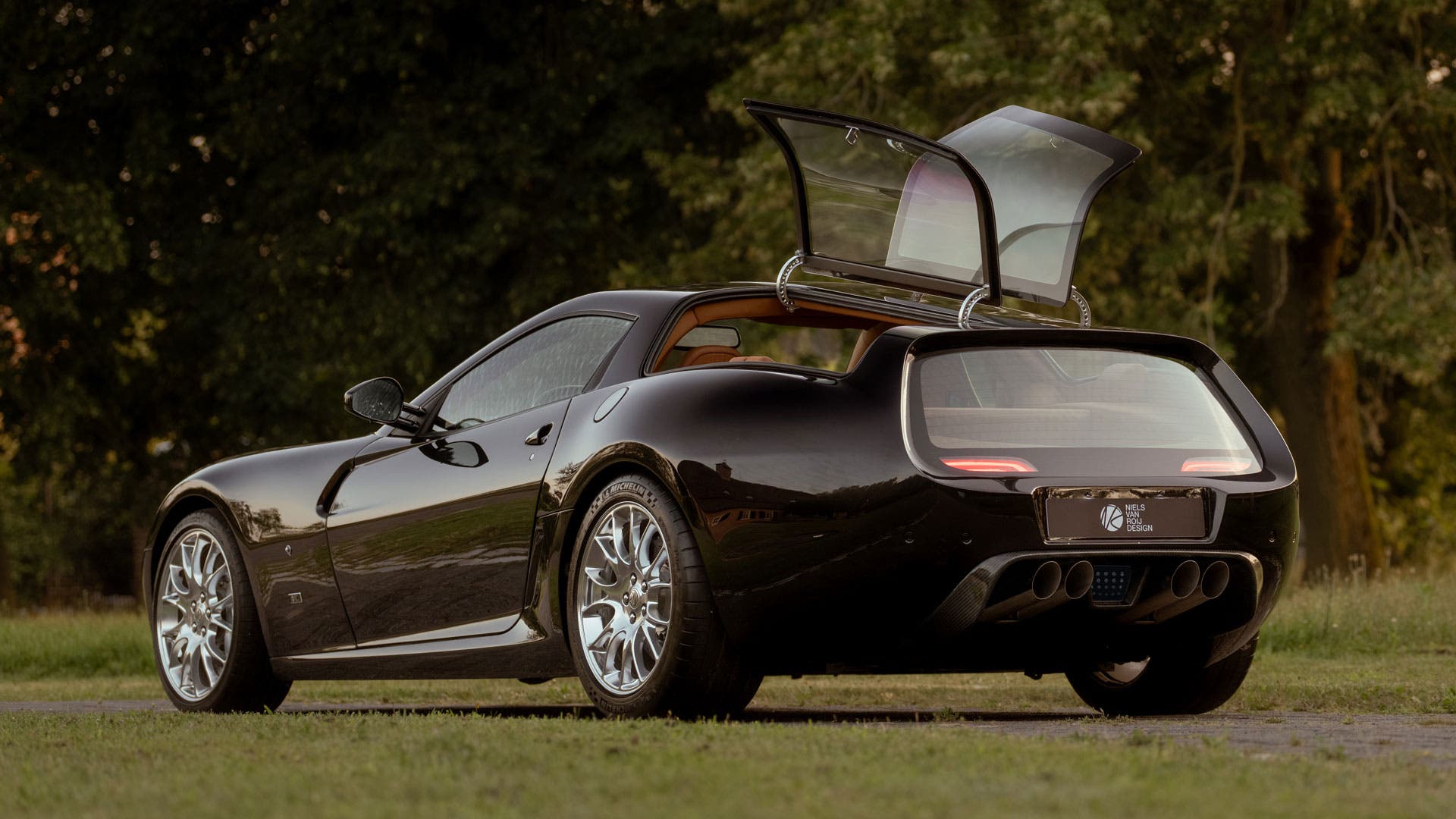
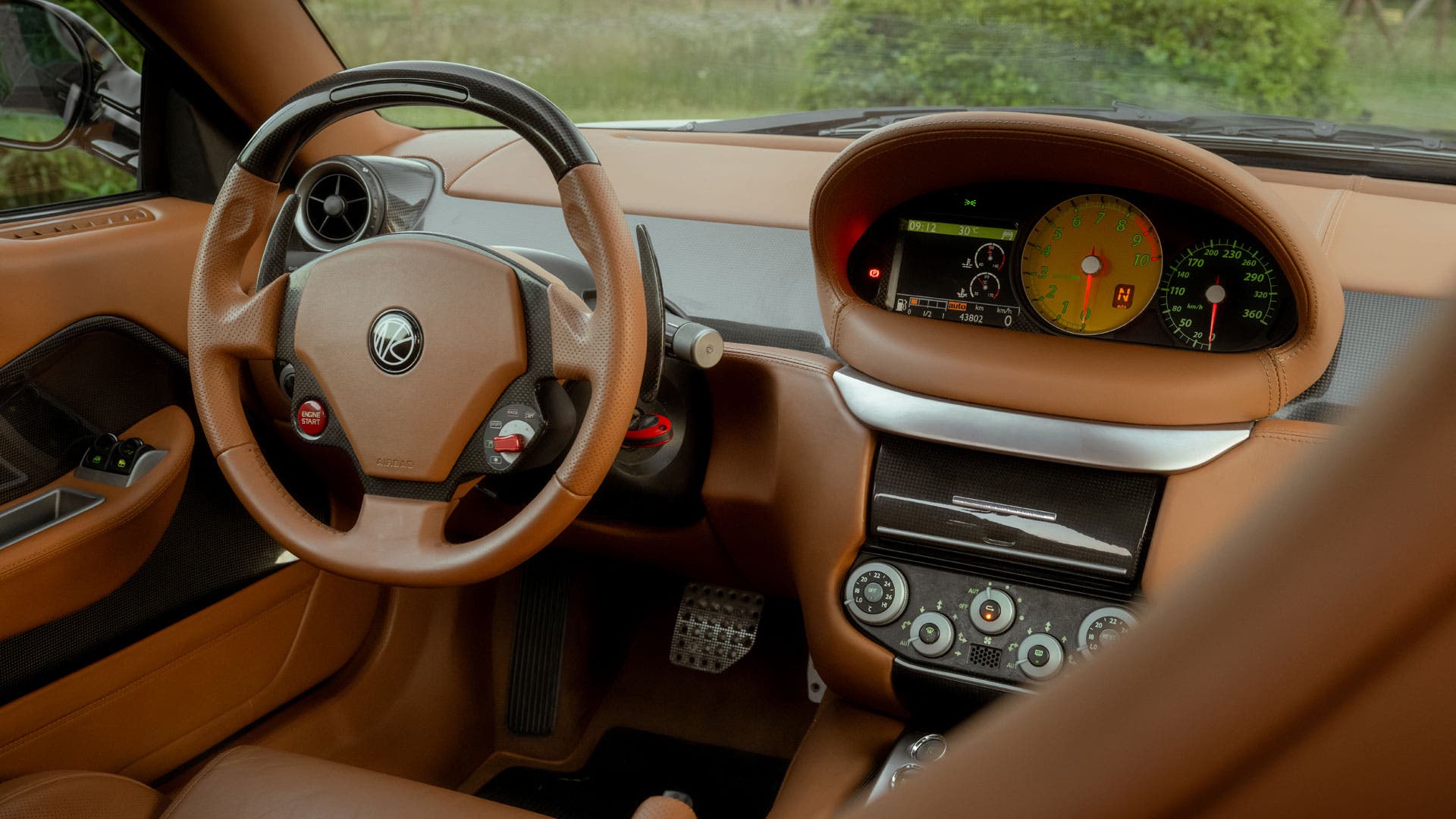
Van Roij’s silhouette is beautifully absurd. The roofline plunges aggressively into a sharp, aerodynamic Kamm tail, dropping flat against a strictly vertical rear window. The two rear side windows swing open electronically like butterfly wings, while the rear glass remains completely fixed. Inside, the historical deep-dive continues. The instrument cluster has been forcibly migrated to the center of the dashboard, a bizarre layout choice directly stolen from the 1965 Chinetti Shooting Brake by Vignale.
Aside from the factory doors, absolutely every single body panel on this vehicle was hammered out of a raw block of aluminum. No modern thermoforming, no cheap stamping, just pure, unadulterated manual forging. That is where those fifteen thousand hours went: the vast, expensive gulf between industrial assembly lines and genuine automotive masochism. In a car market where the shooting brake segment currently survives description exclusively in low-effort digital renders, Van Roij has proven that you can still build a real one.