The gloves are officially off in the heated transatlantic spat between the Canadian federal government and automotive giant Stellantis. The core issue? Stellantis allegedly walked back on production promises for its Canadian facilities, despite potentially receiving hundreds of millions in taxpayer-funded incentives.
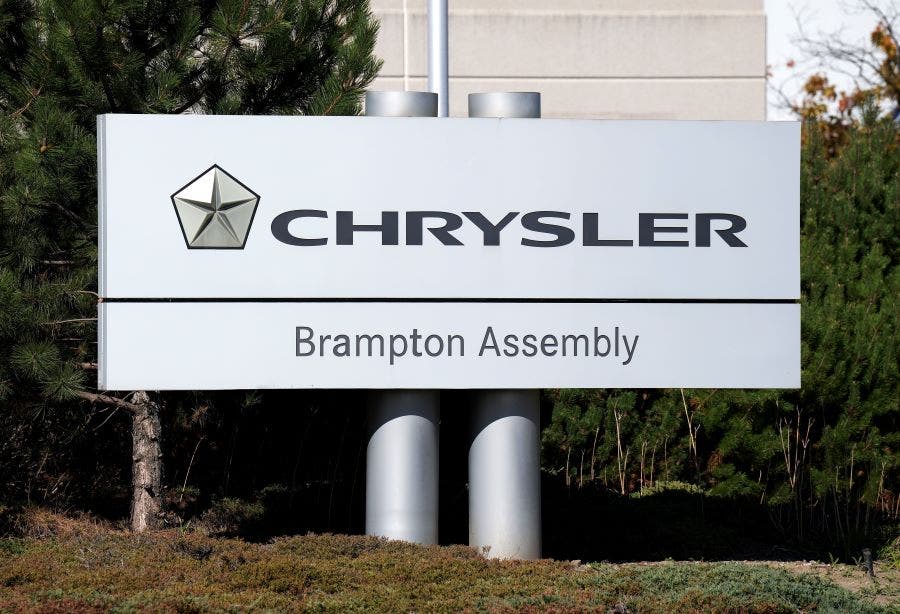
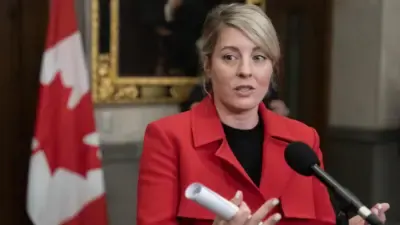
Industry Minister Mélanie Joly announced the government will serve Stellantis with a formal “Notice of Default” related to funding contracts for the Windsor and Brampton, Ontario plants. This aggressive step follows the October revelation that Stellantis had abruptly scrapped plans to build a Jeep model at the Brampton facility, leaving approximately 3,000 workers hanging in what the company euphemistically calls an “operational pause”.
Minister Joly was characteristically firm, stating, “When it comes to protecting auto sector jobs, we will not let down. Defending these jobs means defending the economic backbone of Canada and the livelihoods of countless families”. The government had already started a formal dispute resolution process last month, but this notice raises the stakes considerably.

The money involved is far from pocket change. Stellantis reportedly received at least $222 million for restructuring the two plants. Furthermore, its NextStar Energy joint venture with LG Energy Solution secured over $530 million in federal funding for a massive EV battery plant in Windsor. Joly insists that the initial contracts included specific job guarantees for Brampton that the company has now violated.
Stellantis, through its Canadian branch director Teresa Piruzza, maintains a stance of defiant innocence. Testifying before a parliamentary committee, Piruzza insisted the company “disagrees that we have breached the contract” and defined the Brampton situation as merely a production “pause” while future manufacturing plans are sorted out. Piruzza attempted to showcase the company’s commitment by highlighting the upcoming addition of a third shift in Windsor, creating 1,400 to 1,500 new jobs next year.
While an extra shift is certainly welcome news, it hardly equates to the promised investment and new factory lines that Canadians thought they were buying with hundreds of millions in subsidies.