

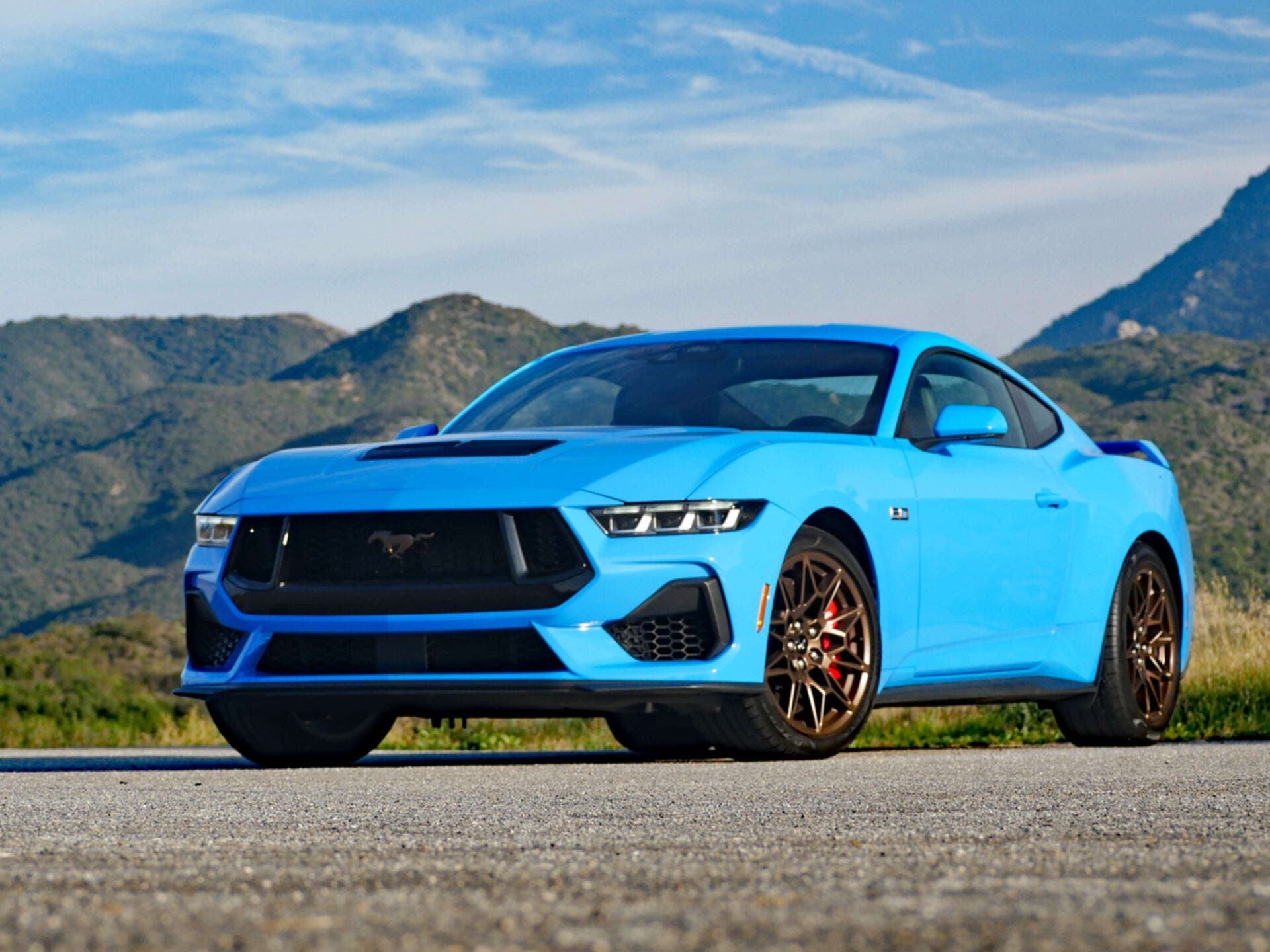
A Ford Mustang GT that many buyers in the United States still see as a relatively attainable sports car can become an extremely expensive purchase in several European countries. The reason often has little to do with the sticker price itself and far more with local taxation. With around 274 g/km of CO2 emissions and a curb weight above 1,800 kg, the V8-powered Mustang faces tax systems that vary dramatically across Europe, creating massive price differences for the exact same car.
Europe’s taxes can make a Ford Mustang GT shockingly expensive
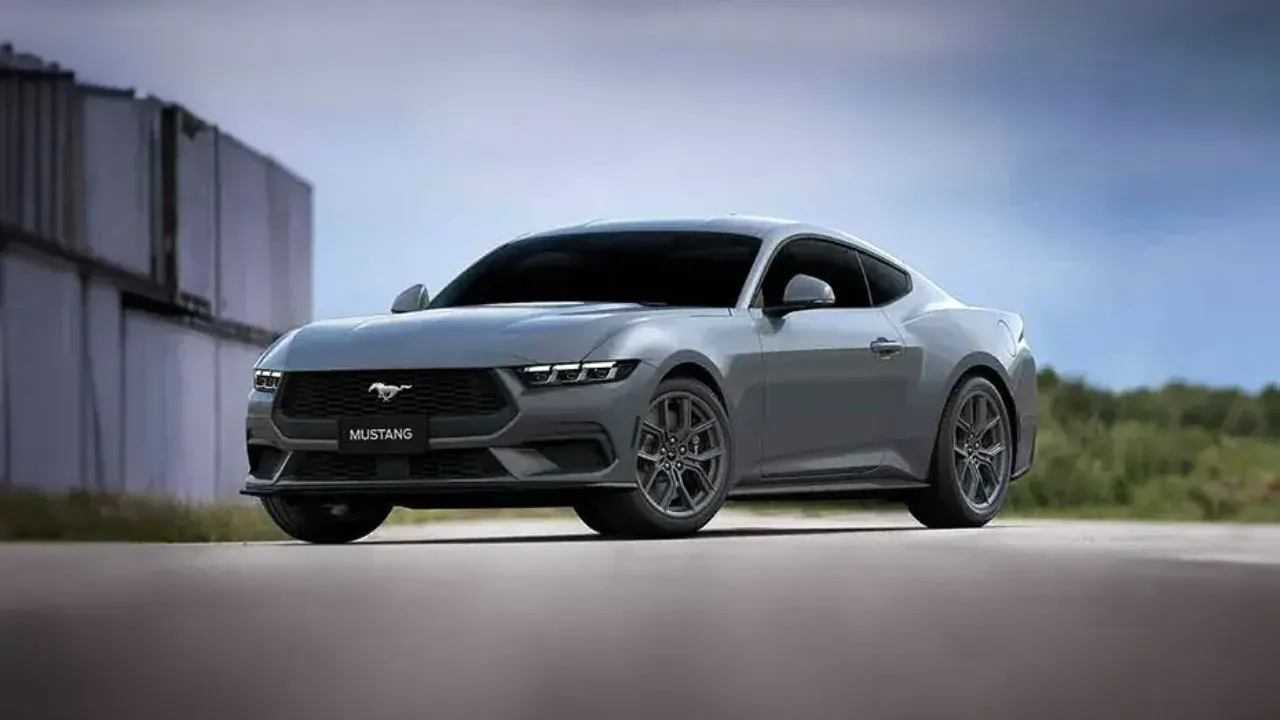
In Italy, where the Mustang V8 starts at roughly €58,500 (about $66,000 USD), buyers do not face a massive one-time registration penalty. Instead, the financial burden spreads across yearly ownership costs through Italy’s taxes. With an output of around 328 kW, the car sits far above the 185 kW threshold that triggers the additional tax. The extra 143 kW alone generate roughly €2,860 per year (about $3,200 USD) in charges. Once the standard annual road tax enters the equation, owners can easily pay more than €4,000 annually, ($4,500 USD) depending on the region. As a result, Italian buyers avoid a devastating upfront charge but still face recurring ownership costs that can heavily impact the total budget after only a few years.
France and Denmark follow the opposite strategy by concentrating the penalty almost entirely on the initial purchase. In France, the emissions-based malus can reach around €80,000 (about $90,000 USD). Denmark pushes the number even further, with taxes that can climb to roughly €96,000, or around $108,000 USD. In some cases, the tax bill alone exceeds the value of the car itself.
Under those conditions, the final transaction price changes dramatically before the owner even drives the first mile, turning the purchase of a naturally aspirated V8 sports car into a financial challenge that very few buyers can justify.
Germany takes a much less aggressive approach. The country does not apply a purchase malus comparable to the French or Danish systems, while the yearly CO2-related tax remains relatively modest compared with Italy’s taxes. The Baltic countries and several Central European markets apply even lighter taxation, with annual costs that sometimes remain limited to only a few hundred euros. Meanwhile, Luxembourg, Romania, and the Czech Republic impose virtually no significant purchase penalty on the Mustang V8.
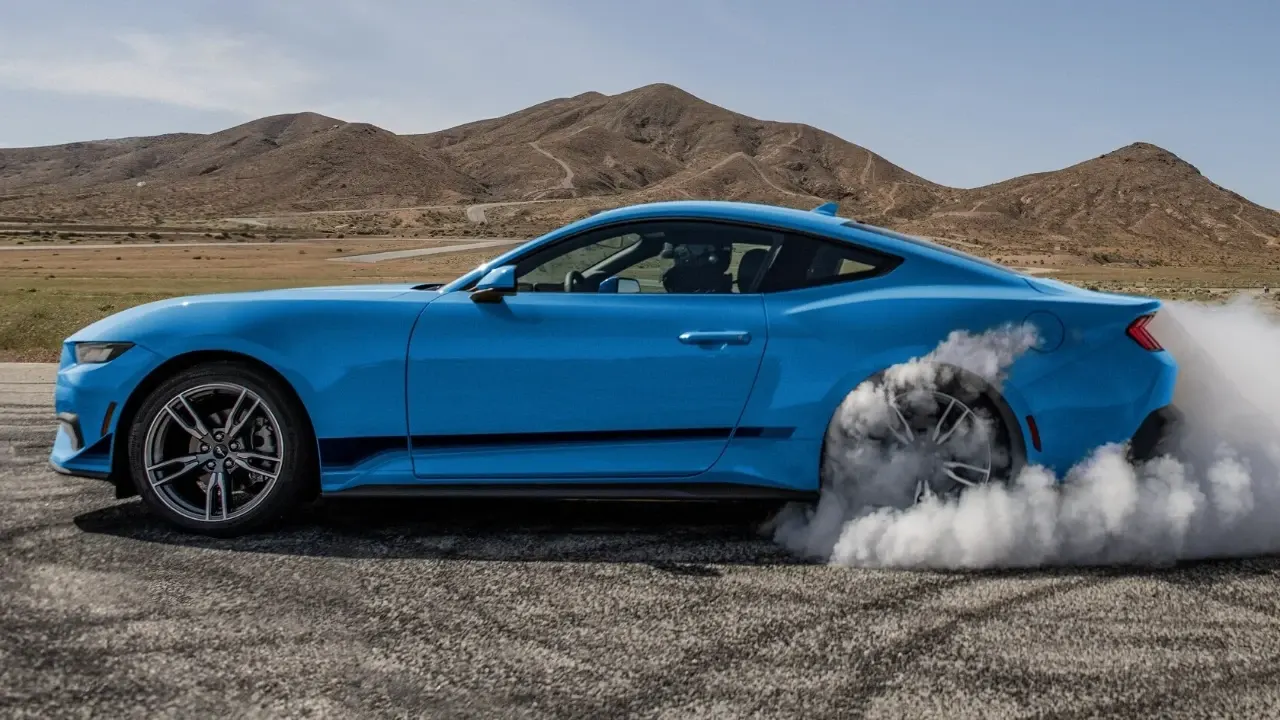
The lack of a harmonized European automotive tax structure therefore creates a situation where the same vehicle may remain relatively manageable in one country while becoming economically irrational in another.
Another important factor involves real-world usage. Many V8 sports cars in Europe cover very limited annual mileage and mainly serve as weekend or leisure vehicles, while smaller daily-driven cars can sometimes generate higher total yearly emissions through constant use.
Over the next few years, hybridized and electrified performance cars could significantly reduce the tax burden tied to official CO2 ratings. That shift may completely change the equation for buyers searching for high-performance vehicles in European markets where taxation currently makes ownership of a traditional V8 especially expensive.