


For most of 2025, Canada ran out of money for its previous iZEV incentive scheme. The result? A catastrophic automotive hangover. EV market share plummeted from a comfortable 14% down to a depressing 9%, effectively vaporizing tens of thousands of planned deliveries. It turns out that without a fat government check, the average consumer isn’t exactly rushing to trade their internal combustion engine for a battery pack.
Enter the new Electric Vehicle Accessibility Program (EVAP), launched on February 16 with a staggering 2.275 billion CAD budget. Predictably, the return of free money acted like an immediate shot of adrenaline. In just 88 days, Canadian buyers burned through 122 million CAD, dragging the zero-emission vehicle market from a dismal 7.7% share in January to a booming 12.2% by March. Sales nearly tripled in a matter of weeks, proving once again that the easiest way to sell an EV is to simply have the taxpayers pay for a chunk of it.

But the actual mechanics of the EVAP read like a masterclass in bureaucratic irony. Officially, to qualify for the maximum 5,000 CAD rebate, an EV must be built in Canada or a free-trade partner, and it must cost under 50,000 CAD.
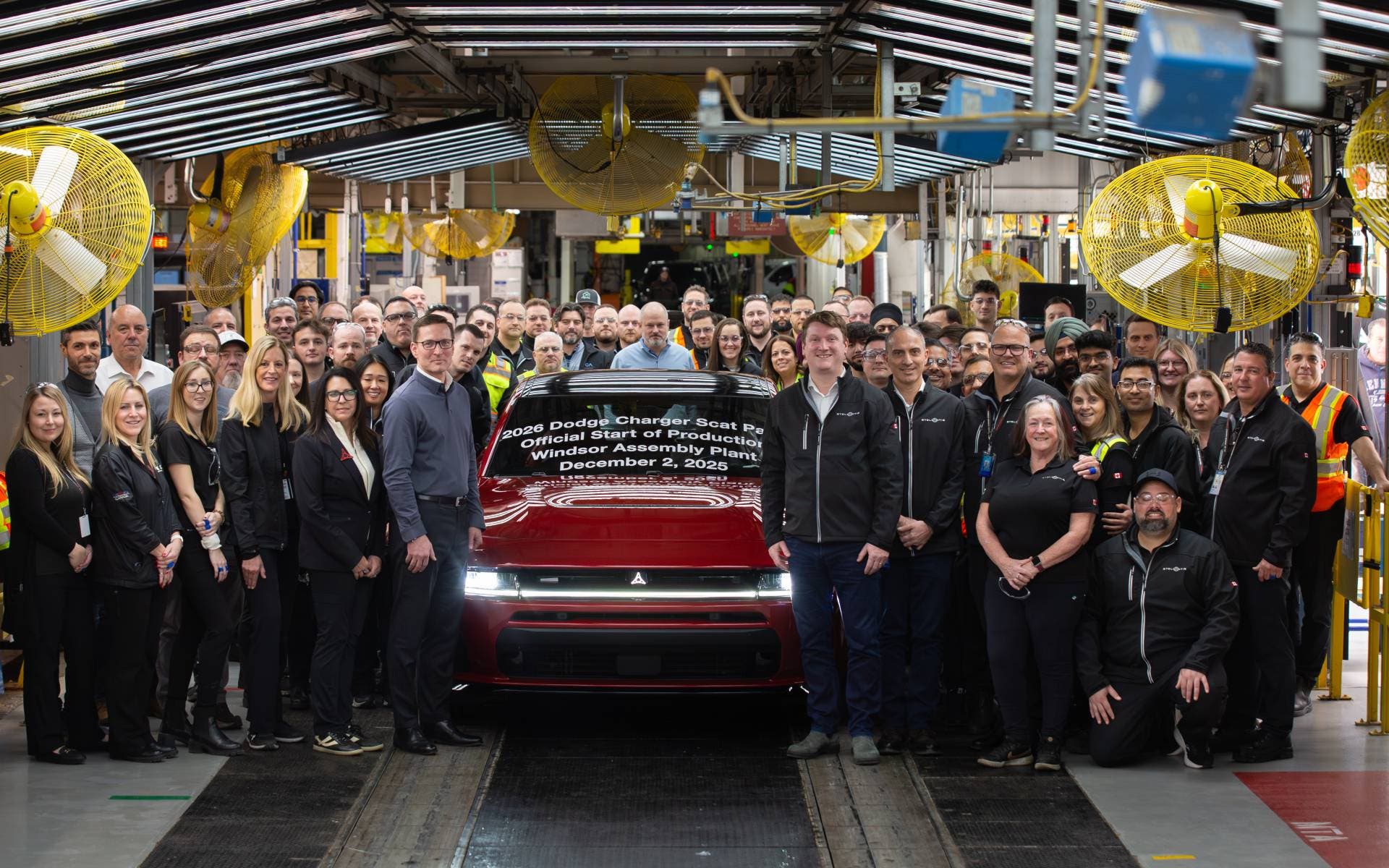
There is, however, a beautifully protective loophole: the price cap vanishes entirely for domestic vehicles. And what does Canada actually build? Exactly two electrified models, both heavy, premium machines from the Stellantis stable at the Windsor assembly plant: the Chrysler Pacifica PHEV and the Dodge Charger EV. Neither comes anywhere near the 50,000 CAD mark, yet Ottawa happily subsidizes them anyway, desperate to support a domestic EV base that managed to sell a grand total of 1,370 Canadian-made units in 2025.
Meanwhile, automakers are panicking and piling on their own massive incentives, averaging between 11,000 and 13,000 CAD per vehicle, driving effective prices to historic lows. Consumers are front-loading their purchases because Ottawa’s clever plan involves tapering the rebate every single year until it hits a measly 2,000 CAD by 2030.
If this frantic burning of 1.39 million CAD a day keeps up, the 2026 budget allocation will be completely exhausted before the year even ends. Ottawa’s long-term gamble relies on external forces to bail them out before the subsidy coffer runs dry. Specifically, a new trade deal with China slashes EV tariffs from 100% to just 6.1% for a specific quota of vehicles. The government openly bets that cheap Chinese imports and a global drop in battery costs will eventually make cars affordable without state intervention.