


Imagine being the CEO of a global titan like Ford, stepping into a workshop, and realizing you’ve spent years building “future” cars with a brain stuck in 1990. Jim Farley recently sat down for some soul-searching interviews, and the takeaway is as brutal as it is honest: Ford didn’t just miss the mark on electric vehicles. They were playing the wrong sport entirely.
It took tearing down a Tesla Model 3 for the epiphany to hit like a head-on collision. Farley was “absolutely shocked” to find that Ford’s Mustang Mach-E was carrying around an extra 70 pounds of wiring, nearly a mile longer than Tesla’s setup. That isn’t just bad engineering, it’s a $200-per-vehicle tax paid simply to haul around useless copper.
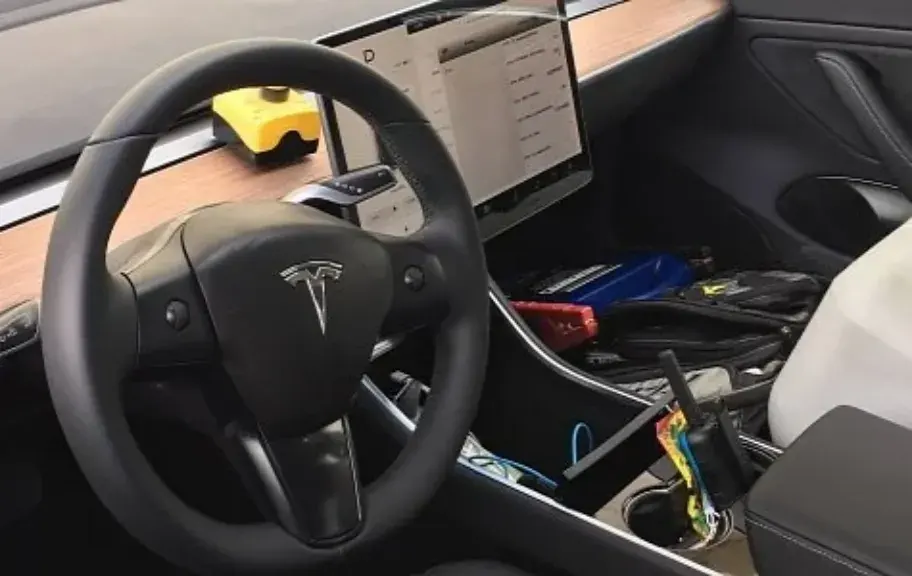
A terminal case of “internal combustion engine bias”. Ford’s engineers tried to build EVs the way they build F-150s, layering complexity where Tesla found simplicity. Farley admitted that while the public might like the Mach-E or the E-Transit, they certainly won’t pay for the bloated manufacturing costs Ford baked into them. It’s a humbling realization for a legacy giant. Tesla didn’t have the “baggage” of a century of pistons and spark plugs, so they just built a better machine.
But the nightmare doesn’t end in Texas. Farley also pointed his surgical tools toward China, specifically eyeing brands like BYD and Xiaomi. What he found there was equally “shocking.” The Chinese are rewriting the rulebook on EV efficiency and cost-cutting while Detroit is still trying to figure out where to plug in the charger. This realization has forced Ford to surgically remove its EV business into a separate division, a desperate attempt to kill the “dinosaur” culture before it kills the company.

It’s a noble effort to learn from the competition, but as we look at the 2025 landscape, you have to wonder: is it enough to simply “understand” the magic trick after the magician has already walked off stage with your wallet?