

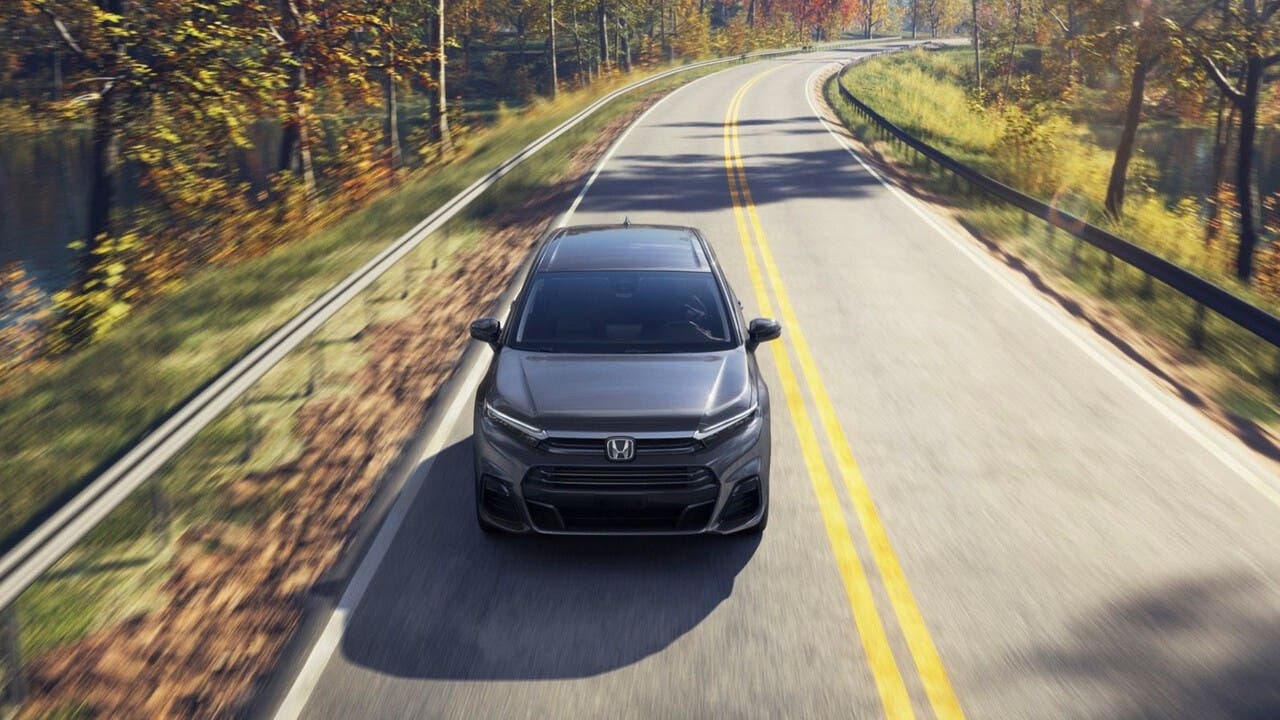
American Honda Motor is officially recalling its most expensive and technologically complex CR-V variant due to a potential coolant leak within the fuel cell stack. It turns out that mixing liquid coolant with high-voltage electronics, specifically in the fuel cell’s crankcase, is a great way to trigger a short circuit.
The culprits? A classic duo of manufacturing mishaps. A reduction in sealant adhesive and a supplier’s failure to properly deburr an O-ring groove. This oversight by Fuel Cell System Manufacturing (FCSM), a joint venture between Honda and one of Detroit’s “Big Three”, means coolant can escape, causing a ground fault between the bipolar plate and the support bar.

When this happens, the dashboard of your sophisticated hydrogen-consuming vehicle won’t just whisper a warning. It will scream. Drivers are greeted with up to four safety messages, ranging from “Fuel System Problem” to the rather blunt “Stop Driving” and “Do Not Drive.” The CR-V may enter a “low power mode”, slashing your output to a measly 27 HP. At that point, you aren’t driving a cutting-edge SUV, but a very expensive golf cart.
This saga began back in November 2024 with a single warranty claim, but Honda didn’t manage to recreate the leak in testing until January 2025. Since then, the company has identified 14 warranty claims linked to the issue. The “fix” involves replacing the entire fuel cell stack assembly with one that actually features rubber end seals and properly deburred joints.
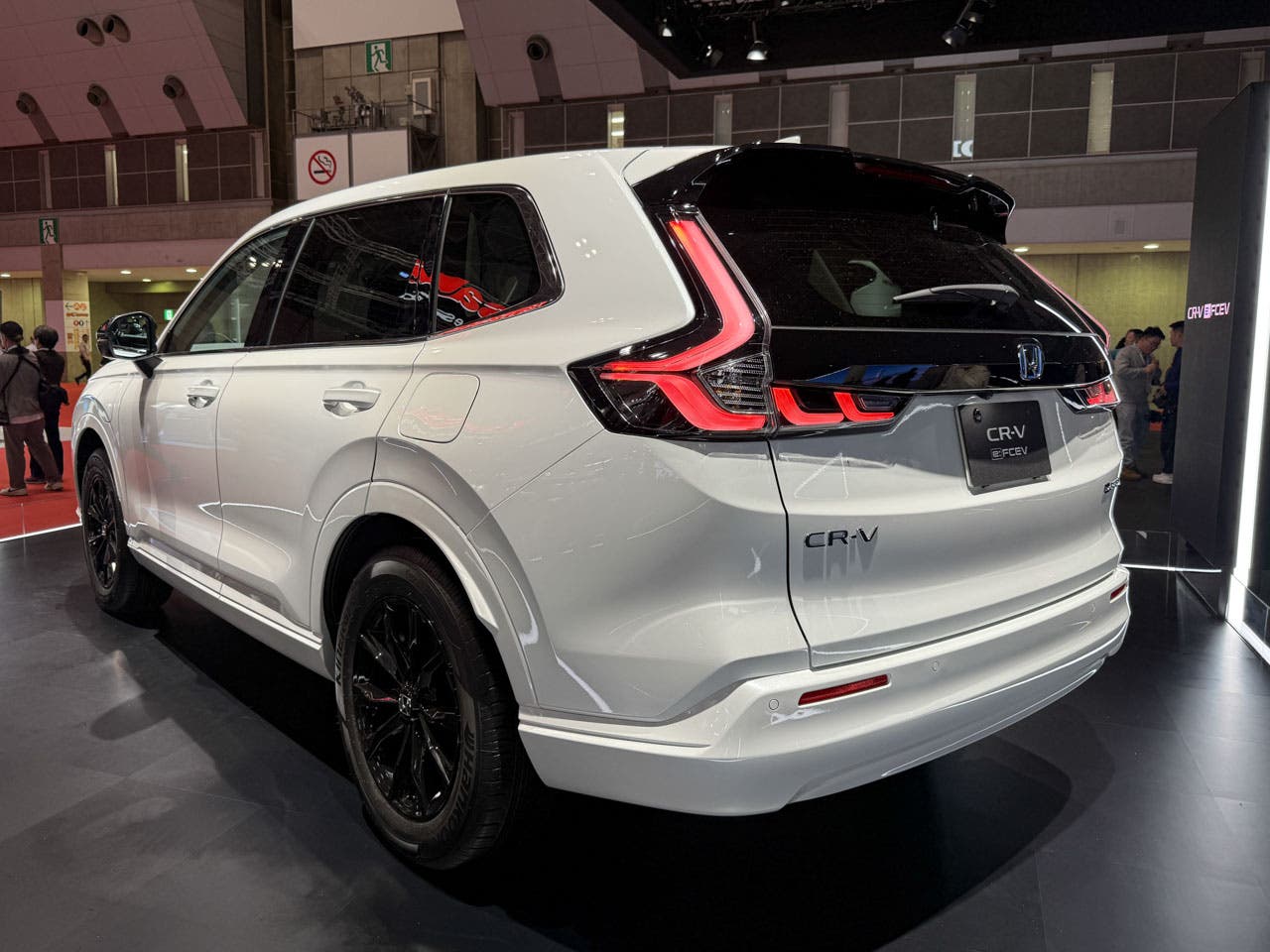
Produced at the Performance Manufacturing Center in Ohio between June 2024 and March 2025, these CR-Vs are exclusive to the California market. While the e:FCEV offers a total range of 270 miles and a $15,000 hydrogen fuel credit, those perks are hard to enjoy when your instrument cluster is flashing like a Christmas tree. Owners should expect notification letters by February 2, 2026, until then, keep an eye on that 17.7 kWh battery.