

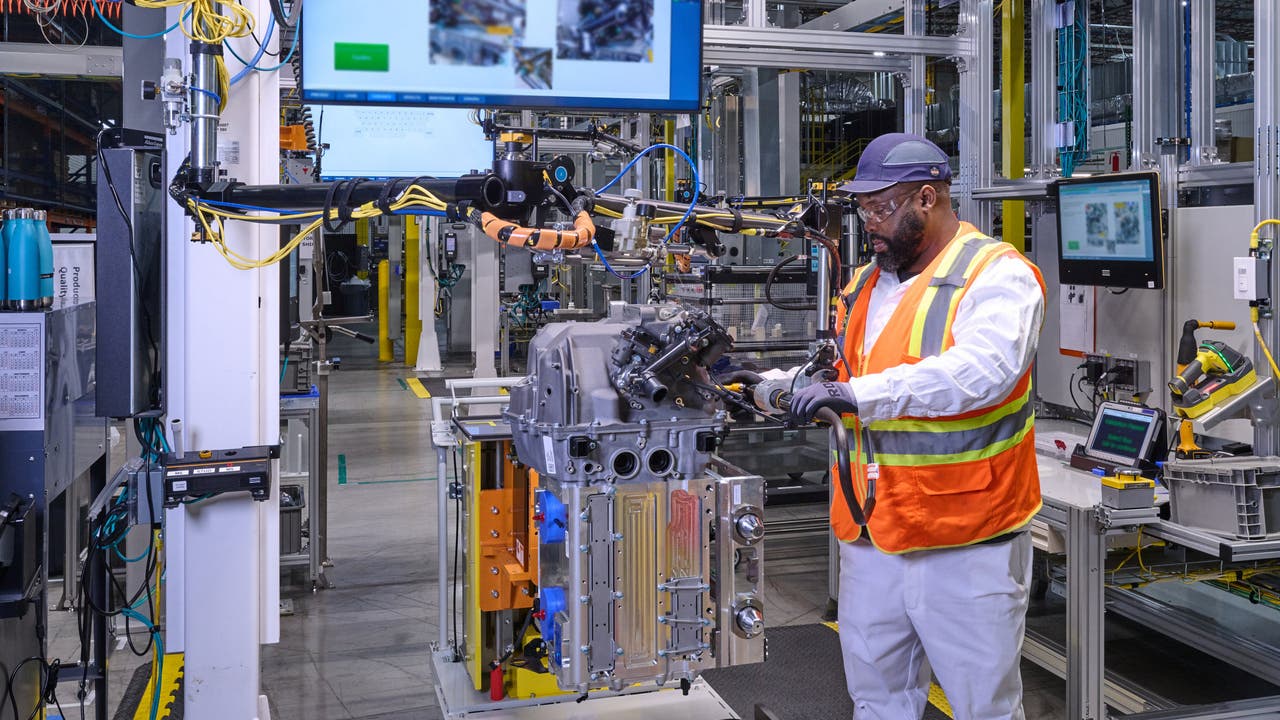
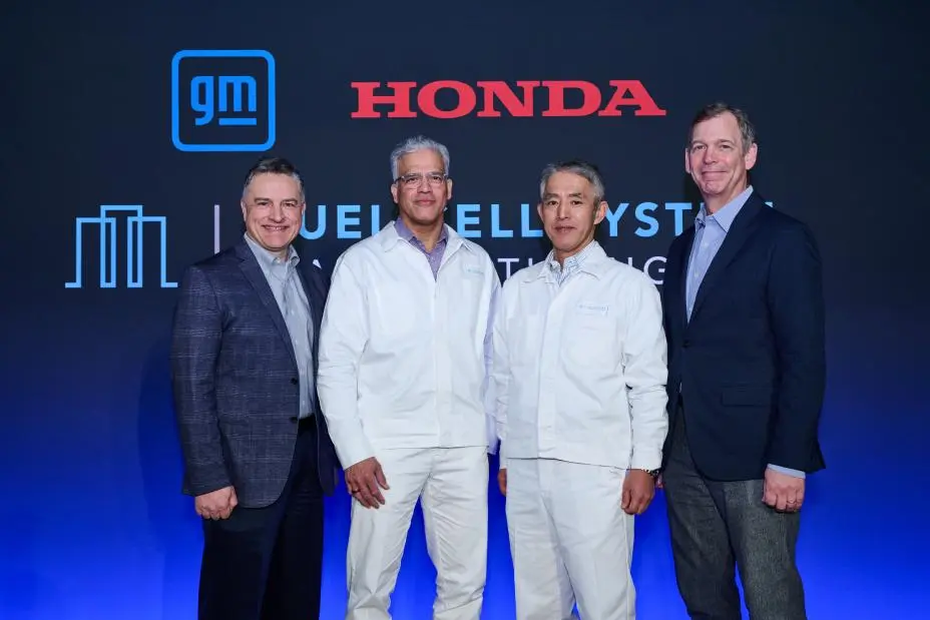
The long-running romance between Honda and General Motors in the world of hydrogen fuel cell technology is officially entering its “problematic” phase. The two automotive giants have confirmed they will pull the plug on their jointly developed system at the Fuel Cell System Manufacturing LLC (FCSM) facility in Michigan by the end of 2026. This marks a somber end to a partnership that began nearly a decade ago with the high hopes of revolutionizing how we power our commutes.
Debuted at the 2023 Brussels Expo, the FCSM system was hailed as the world’s first major fuel cell joint venture. However, despite what Honda politely describes as “some positive results,” the reality of the market has been a cold shower.
In 2023, fuel cell electric vehicle (FCEV) sales in the United States failed to even cross the 3,000-unit mark. When you consider that the only players left in the sandbox are the Toyota Mirai and the Hyundai Nexo, it’s clear that hydrogen isn’t exactly flying off the dealer lots.
This move follows GM’s decision last October to shutter its internal Hydrotec brand, signaling a massive retreat for the Detroit automaker. Meanwhile, the conglomerate Stellantis beat them both to the exit, having abandoned FCEV development last July due to a total lack of demand and a charging infrastructure that is, to put it mildly, non-existent.
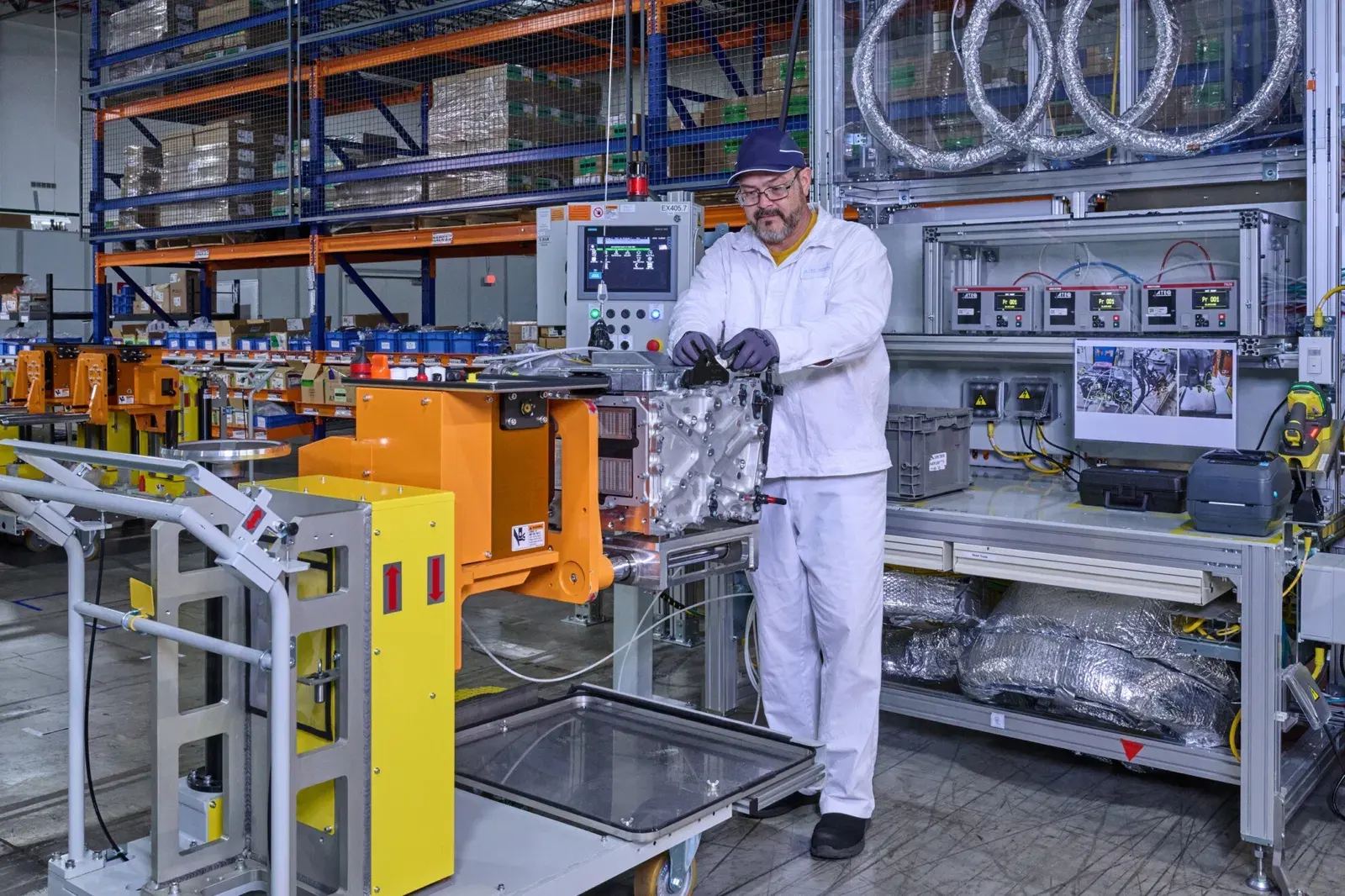
Yet, Honda isn’t retreating entirely. While the joint venture production is ending, the Japanese brand plans to leverage its own next-generation fuel cell technology independently. They are still pushing forward with the hydrogen-powered Honda CR-V, hoping a familiar nameplate might encourage buyers into trying the technology.
While BMW and Toyota are curiously doubling down on their own hydrogen collaboration, Honda is betting that going solo will help them reach their 2050 carbon-neutrality goal. Whether the world actually wants a car that exhausts nothing but water remains the multi-billion-dollar question.