

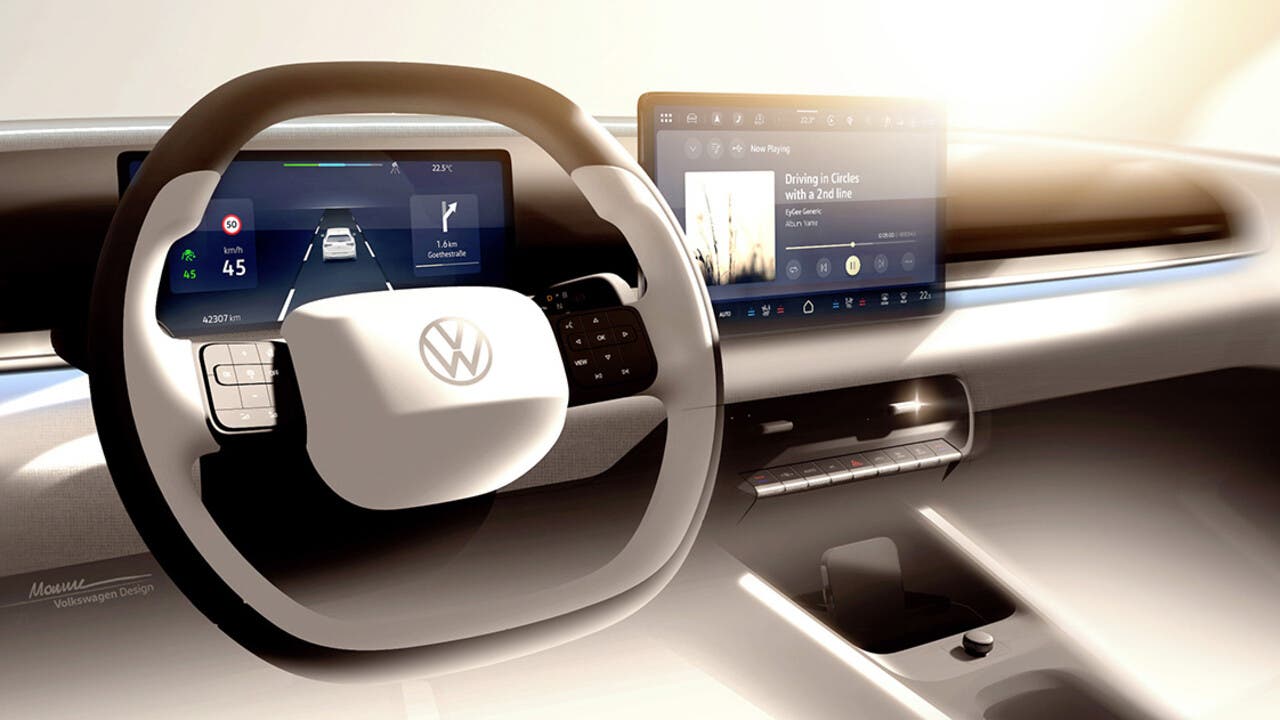
As the final reveal of the new ID. Polo looms, Volkswagen has decided to peel back the curtain on what really matters, the cabin. While the exterior remains trapped in a world of confusing camouflage wrapping, the interior has been fully unveiled, marking a desperate stylistic and technical course correction for the entire VW lineup.
For years, customers have voiced a singular, loud complaint. The ID line felt like sitting inside a recycled Tupperware container. Volkswagen has apparently listened, promising a massive step forward in material quality.
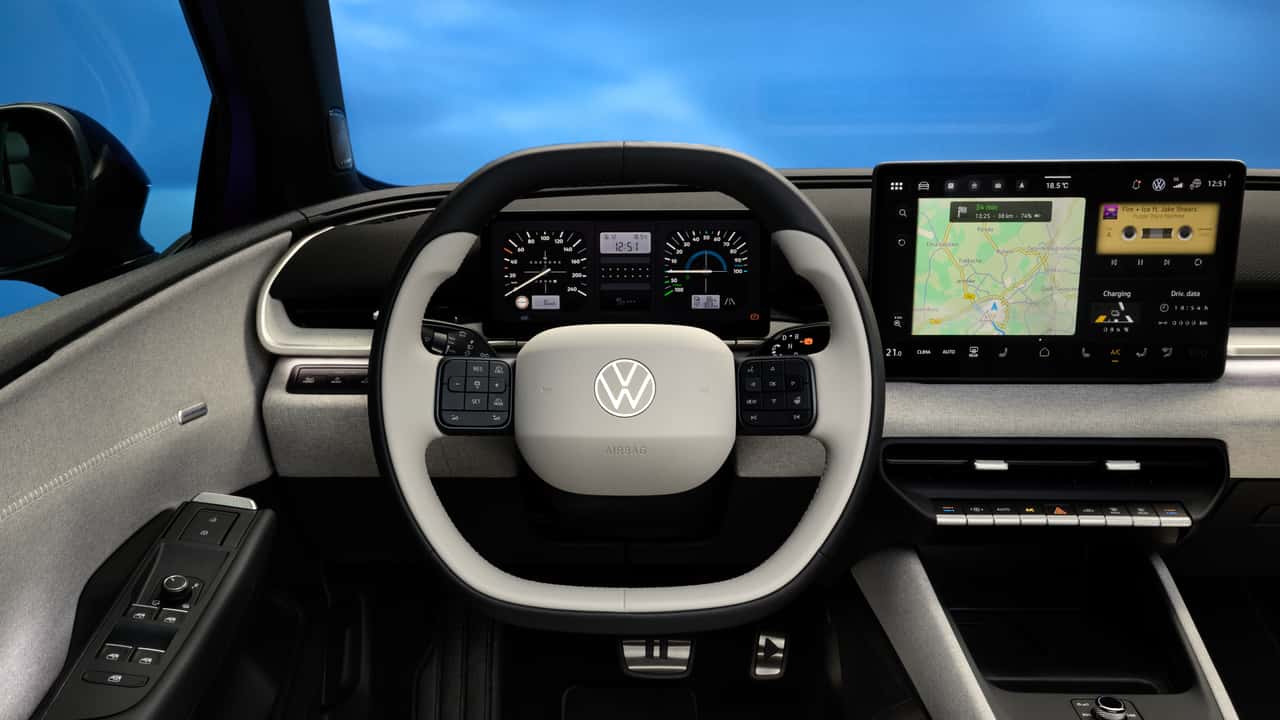
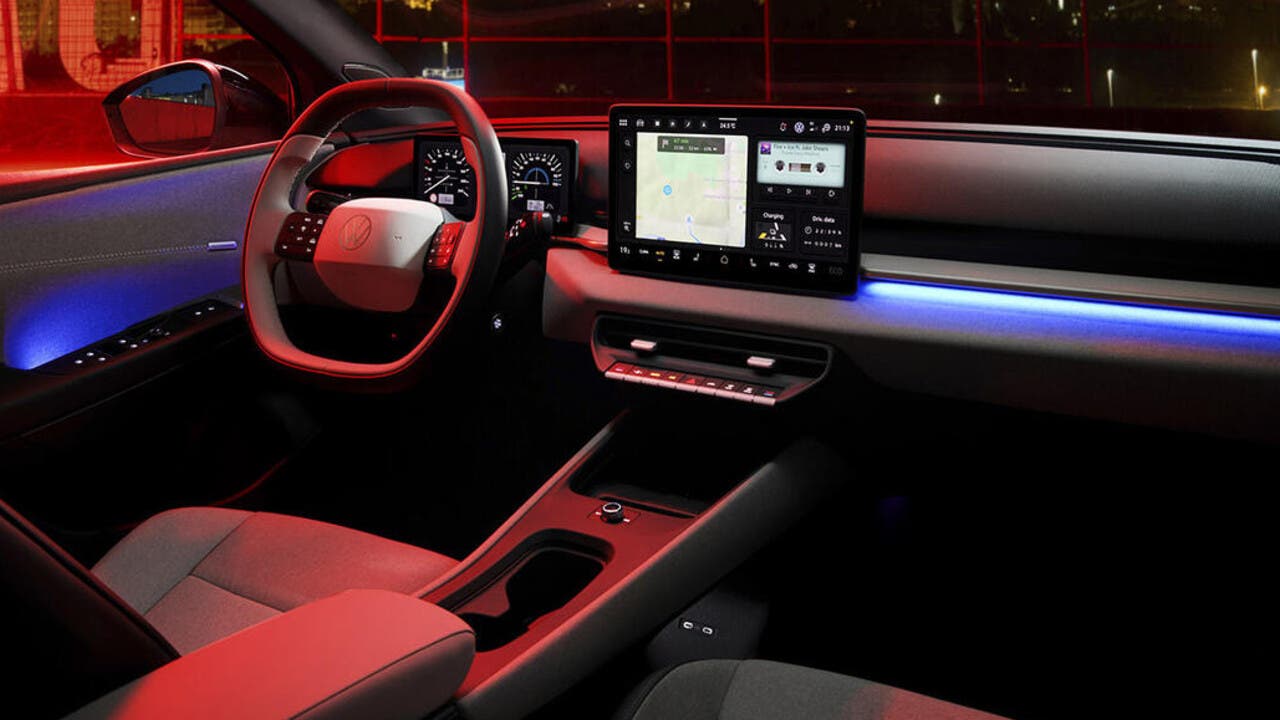
The initial images reveal a dashboard that is better upholstered and significantly more elegant, moving away from the “plastic-tastic” reputation of previous electric models. Volkswagen is officially retreating from the “touch-only” nightmare. The ID. Polo marks the triumphant return of physical buttons. You’ll find them in their classic positions under the 13-inch main display, controlling vital functions like air conditioning and hazard lights. There is even a dedicated physical dial on the center console for volume adjustment. The steering wheel also joins the traditionalist movement, ditching haptic sliders for real, clickable buttons.
On the digital front, the 10.25-inch driver display offers a delightful touch of nostalgia. With a single press, the graphics transform to mimic the iconic dashboard of a 1980s Golf. The retro-fetishism continues on the main screen, where the media player features a stylized image of a cassette tape.
The ID. Polo is a serious contender in the small electric vehicle segment in Europe at the moment. Measuring about 4 meters in length, identical to the classic Polo, it promises significantly more interior space thanks to its electric architecture. Buyers can choose between three different electric motors and two battery options. A 37 kWh LFP pack for the budget-conscious and a 52 kWh NCM pack for those needing more range.
With a starting price of approximately 25,000 euros, the ID. Polo aims to prove that the future of mobility doesn’t have to be cold, plastic, or overly complicated.