

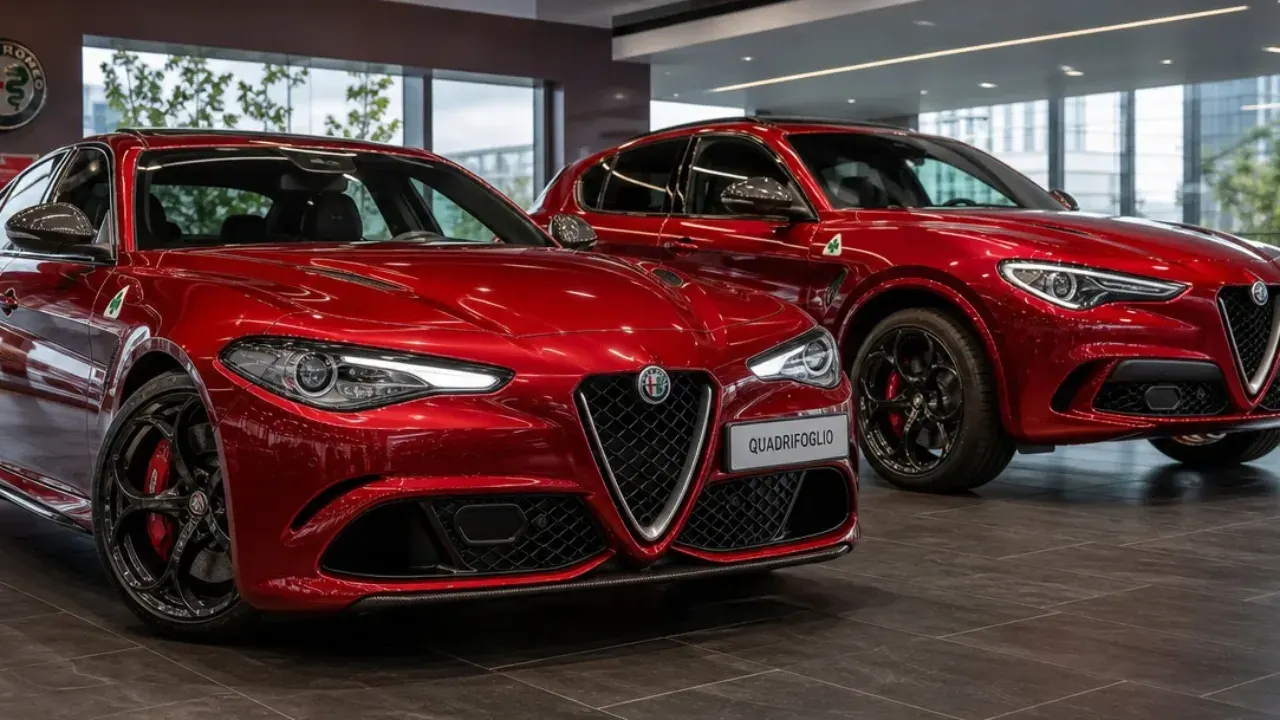
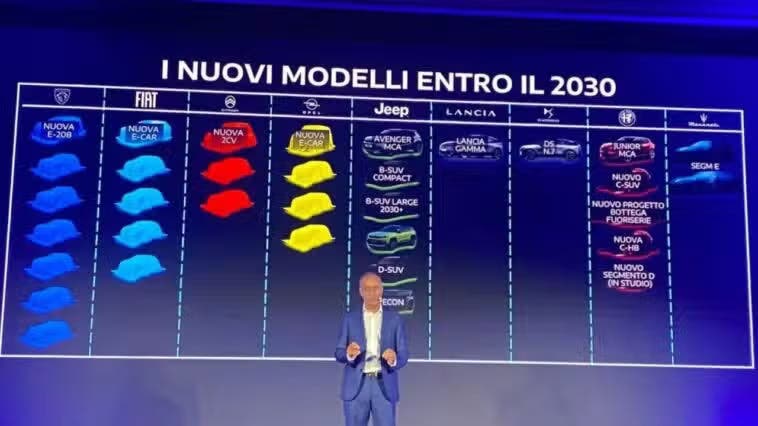
Saying a project is “under study” is the exact professional equivalent of an elegant shrug. For Alfa Romeo right now, that semantic distinction is a matter of life and death. If you look at the lower end of the Biscione’s upcoming catalog, the spreadsheet looks reasonably organized. There is a C-segment hatchback acting as the spiritual heir to the 147 and Giulietta, alongside a new Melfi-built C-SUV engineered to replace the Tonale on a crowded platform shared with the Jeep Compass, Lancia Gamma, and DS 7. Throw in a mild update for the Junior and a boutique halo project to inherit the 33 Stradale’s torch, and you have a roadmap that at least resembles a coherent business plan.
Then you look at the D-segment, specifically the Alfa Romeo Giulia and Stelvio, and the roadmap instantly devolves into a corporate existential crisis. A new generation for both legendary models was supposed to be a done deal. However, following the latest round of executive musical chairs and management shakeups at Stellantis, those plans have quietly ground to a halt.
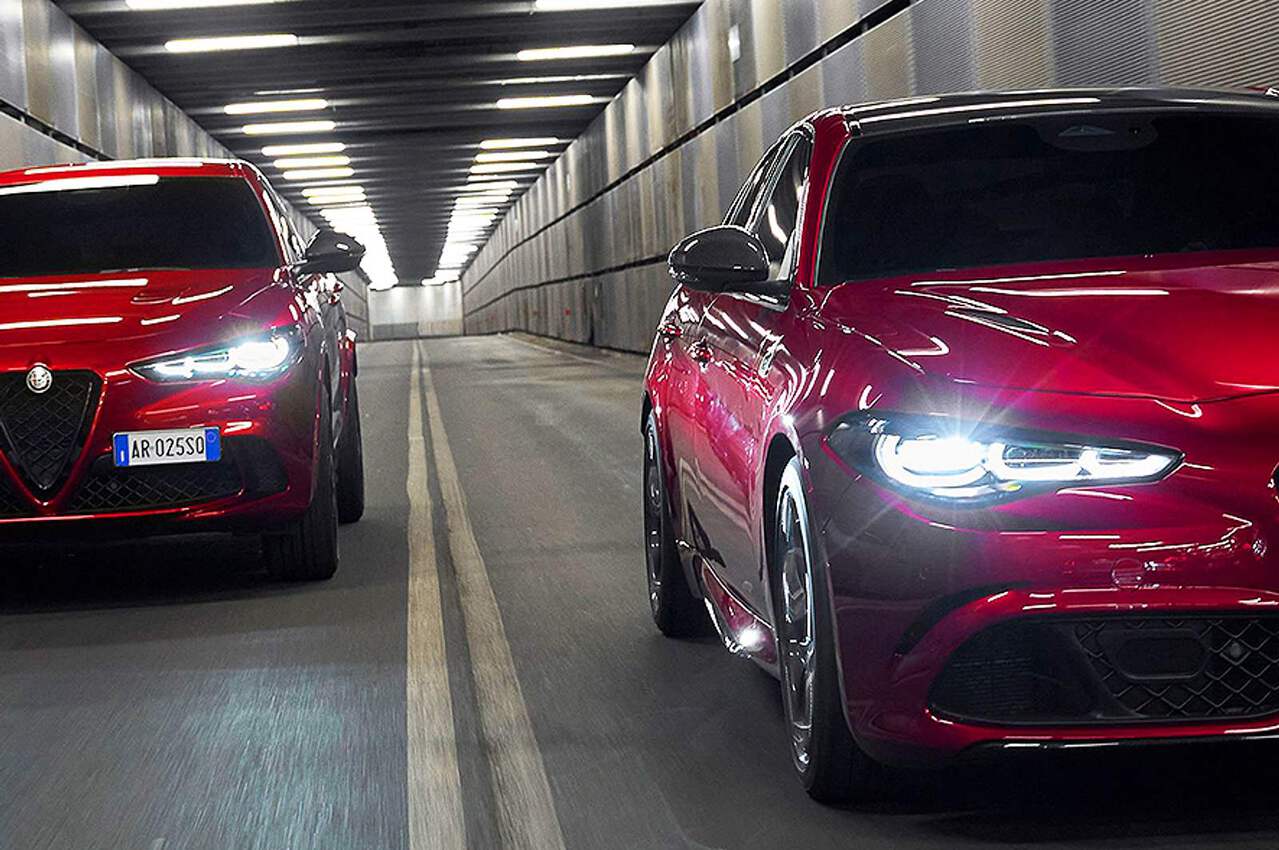
Whether they have been postponed, completely redesigned, or thrown directly into the trash remains a corporate secret. The only concrete sign of life emerged at a recent Stellantis Fleet & Business Solutions event, where a solitary presentation slide featured the painfully vague phrase: “New D-Segment under study.”
“Under study” is neither a confirmation nor a commitment. It simply means corporate headquarters is aware that the segment exists and is watching it bleed out from a safe distance. Executives might be waiting to see if future quarterly earnings can justify keeping premium sedans alive, or they might just merge the Giulia and Stelvio into a single, compromised crossover project to save a few Euros.
Meanwhile, the real-world collateral damage of this PowerPoint poetry is unfolding at the Cassino assembly plant. Tasked with building the current Alfa Romeo Giulia, Stelvio, and struggling Maserati models, Cassino is currently trapped in an industrial nightmare defined by historic low production volumes and absolutely zero future allocations.