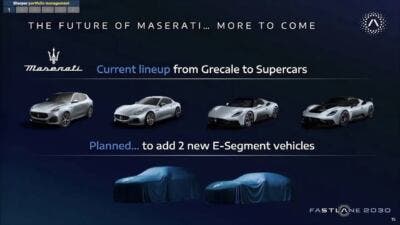
Selling just 7,900 cars globally in an entire year is a special kind of corporate heartbreak, especially when your luxury neighbors in Maranello and Sant’Agata Bolognese are moving 13,640 Ferraris and 10,747 Lamborghinis without even breaking a sweat. For Maserati, the 2025 scoreboard is a heavy existential crisis wrapped in premium leather. The historic brand is hopelessly stuck in a structural no-man’s-land: too ridiculously expensive to fight the relentless German premium trio, yet not quite exclusive enough to sit at the high-rollers’ table with Porsche or Ferrari.
Stellantis CEO Antonio Filosa recently went to the Italian Parliament to passionately swear that the Trident is absolutely not for sale. But keeping it alive requires a radical identity transplant, which brings us to the latest whispers filtering out of Asian industrial circles.
Rumor has it that Stellantis is in advanced talks with Chinese titans Huawei and JAC to birth a new generation of ultra-luxury EVs based on the Harmony Intelligent Mobility Alliance, the tech ecosystem currently reinventing how wealthy Chinese buyers interact with their dashboards.
The division of labor is as clear as a corporate spreadsheet: Huawei provides the digital brain, supplying the software, electric architecture, and advanced connectivity. JAC brings the actual physical bones, handling the heavy lifting of platforms and manufacturing. Meanwhile, Maserati is left to provide the “soul”, which in modern corporate speak means tuning the suspension, polishing the badge, and ensuring the interior looks suitably Italian.
This plan runs on a bizarre dual-track strategy: in China, the resulting vehicle might launch under the tech-centric Maextro brand, while the exact same hardware will wear the iconic Trident for the rest of the world.
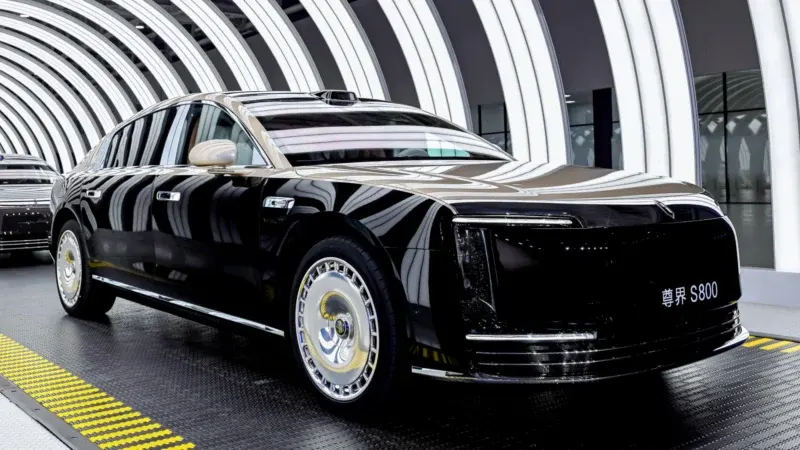
The absolute collapse of Maserati’s Chinese market share explains this desperation. The brand plummeted from nearly 15,000 units sold in 2017 to a depressing trickle of barely 1,000 cars last year. Today’s luxury buyers in China couldn’t care less about heritage or mechanical exhaust notes; they want ultra-responsive screens, deep digital integration, and software that updates faster than their smartphones. This is a digital arena where Huawei runs laps around traditional European automakers.