

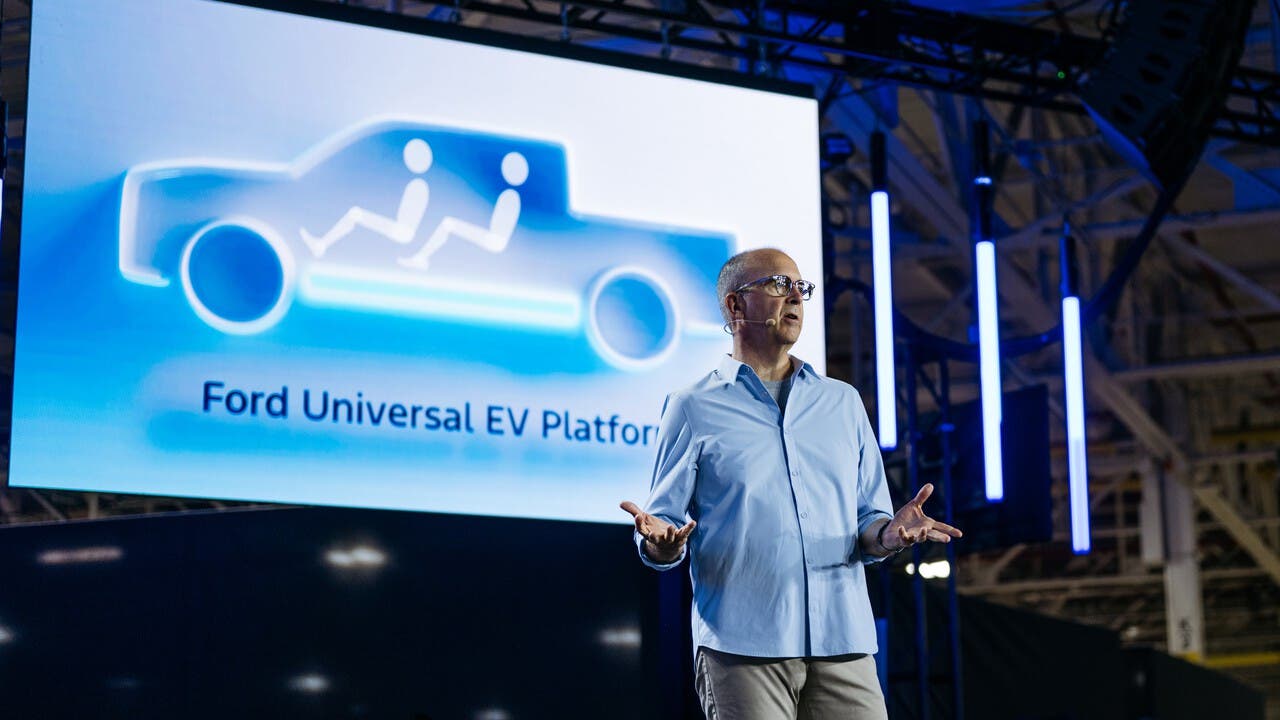
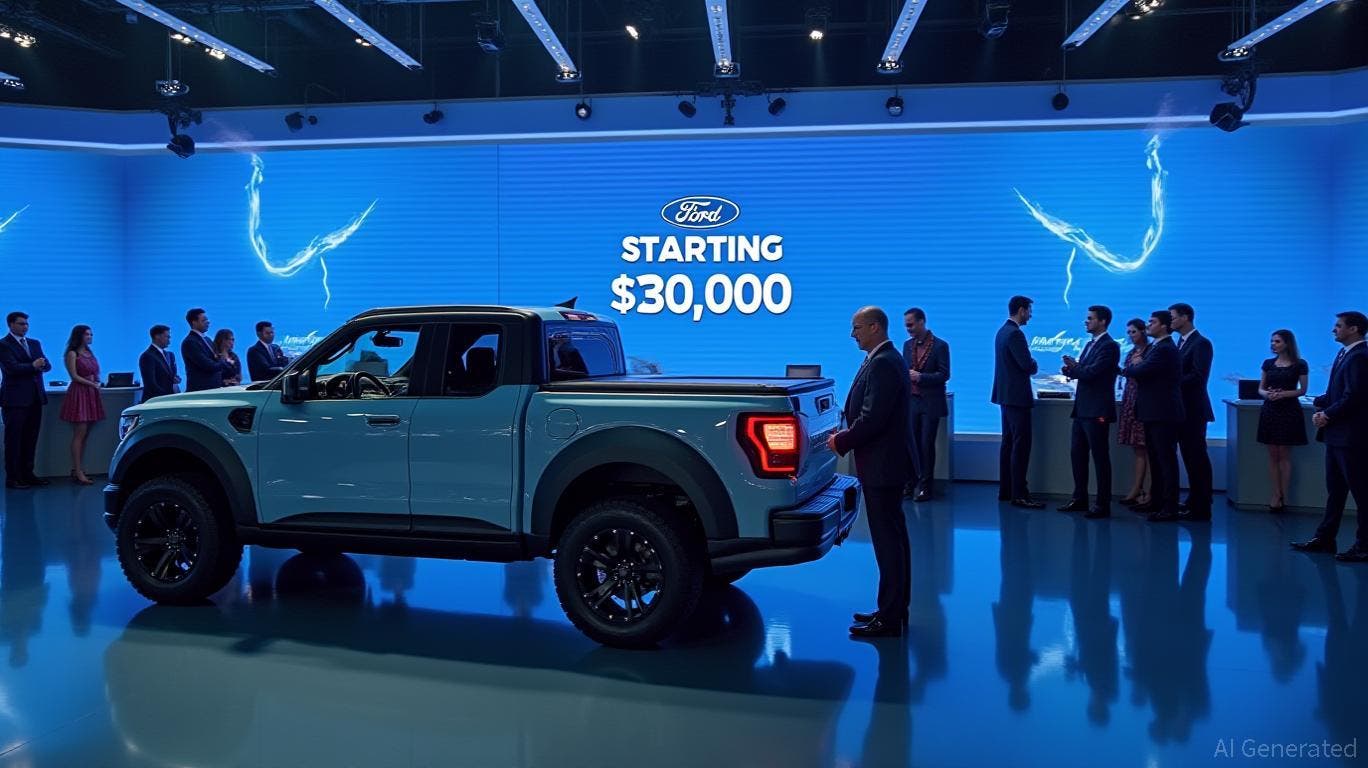
Ford is going rogue to save the American electric vehicle. The Blue Oval has set up a secretive “skunkworks” office in Long Beach, California, far from the corporate bureaucracy of Michigan. Their mission seems to be to develop the Universal EV, a next-generation electric pickup slated for 2027 with a jaw-dropping starting price of $30,000.
Doug Field, Ford’s EV chief and a veteran of Tesla and Apple, claims this team is designing the world’s cheapest electric motors. In a direct challenge to China’s manufacturing dominance, Field asserts these in-house engines will cost less than anything they could source globally. The secret sauce isn’t a magical new mineral, but “20x engineers”—top-tier talent recruited from Silicon Valley who can apparently out-produce the average worker by twentyfold.
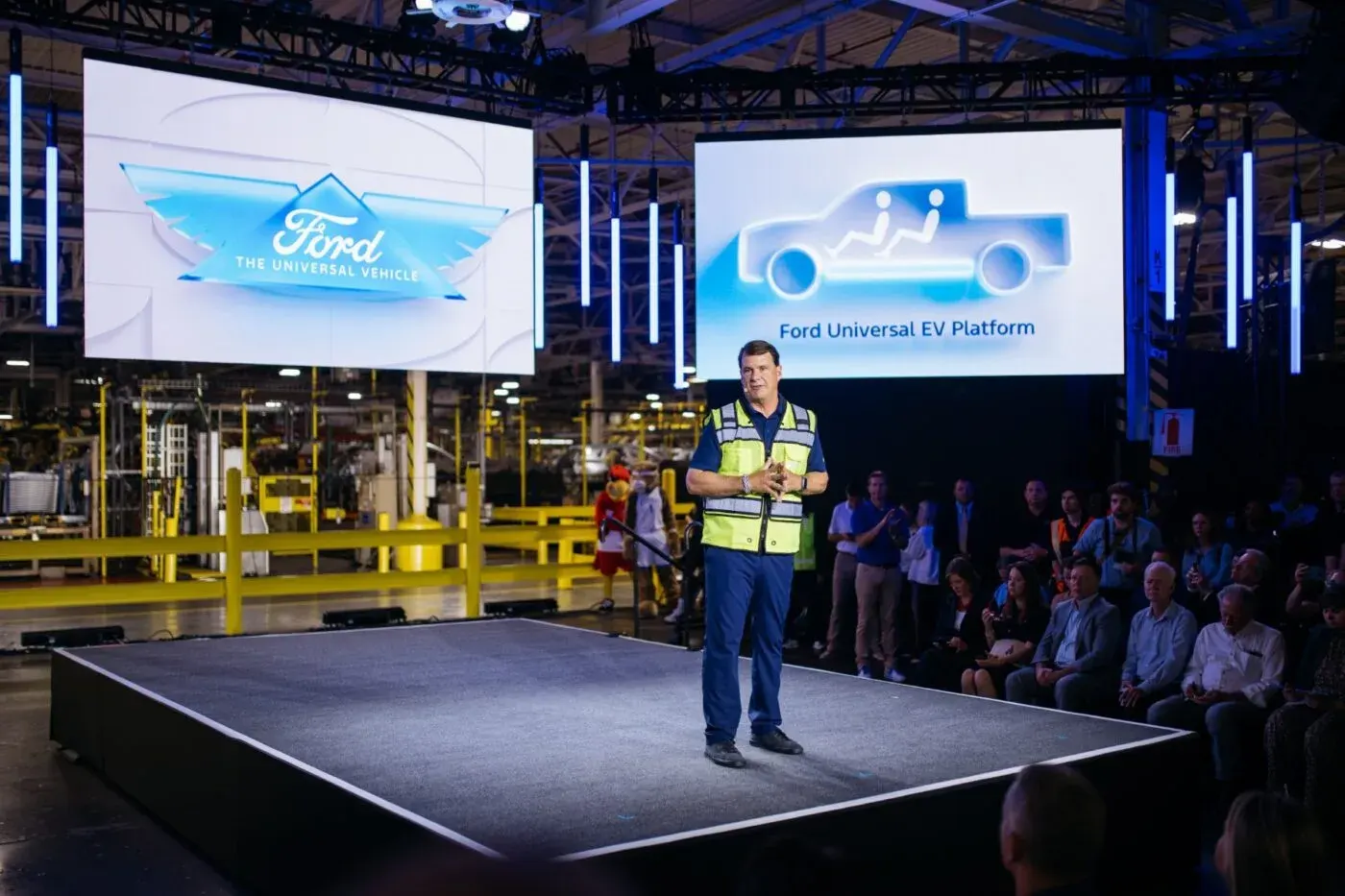
The Universal EV isn’t just a budget truck. By rethinking the vehicle’s DNA, Ford has managed to slash the unit cost by thousands. This new pickup uses 25% fewer fasteners and features a wiring harness that is 1,220 meters shorter and 10 kg lighter than the one found in the Mustang Mach-E. The top of the battery pack even doubles as the cabin floor, and dozens of structural parts have been consolidated into massive aluminum castings.
Clearing up some confusion from CEO Jim Farley, Field confirmed that while the truck stays humble in price, it won’t be lacking in capability. It will launch as a four-door crew cab with both rear-wheel drive (using a permanent magnet motor) and dual-motor all-wheel drive configurations. Multiple battery sizes will be available, allowing buyers to choose between a “bargain-basement” price or long-distance range.
Production is set for Louisville, Kentucky, where Ford plans to move 15% faster than they did with the Escape. The strategy? Efficiency through elimination. By removing complex tasks rather than just automating them, Ford expects to cut the number of workstations by 40%.